
A bathroom remodel should improve the way the room works every day, not simply replace dated finishes. For Orlando households, where frequent showers, air conditioning, and humid outdoor conditions can make moisture management especially important, a thoughtful plan can make cleaning easier and routines more comfortable. An Orlando bathroom remodel is an opportunity to address slippery surfaces, crowded storage, weak lighting, and difficult shower entry before those frustrations become larger problems.
Start by considering who uses the space, when it is busiest, and what creates inconvenience now. A practical design can still look polished, but daily needs should guide the layout, materials, storage, ventilation, and fixture choices.
Start With the Real Problems
Before selecting tile or faucets, make a list of problems that occur during normal routines. Common examples include a vanity with unusable cabinet space, dim mirror lighting, puddles near the shower, a tub wall that is difficult to step over, or toiletries covering every available surface. A family may gain more from drawers, a safer floor, and a better shower layout than from an expensive decorative upgrade.
Walk through the room in the morning and again at night. Note where people bump into doors, reach too far, leave items on the counter, or struggle to see. Separate must-fix concerns from nice-to-have style choices.
Check the Bathroom for Safety Issues
Bathroom safety comes from the whole room working together. Look for slick flooring, loose mats, sharp vanity corners, narrow routes around fixtures, poor visibility, and unstable areas near the tub or shower. A grab bar alone cannot solve a layout that forces someone to twist, step around clutter, or cross a wet floor.
Investigate signs of plumbing or moisture trouble before covering them with new finishes. Persistent staining, soft flooring, recurring mildew, slow drains, or a fan that does not clear steam may call for qualified plumbing, electrical, waterproofing, or structural work.
Choose the Right Shower or Tub Layout
The best bathing option depends on the household. A traditional tub can suit young children or people who enjoy soaking. A walk-in or low-threshold shower can simplify entry and reduce the effort of cleaning around a high tub wall. A tub-to-shower conversion may free up useful space, but it should fit both current routines and likely future needs.
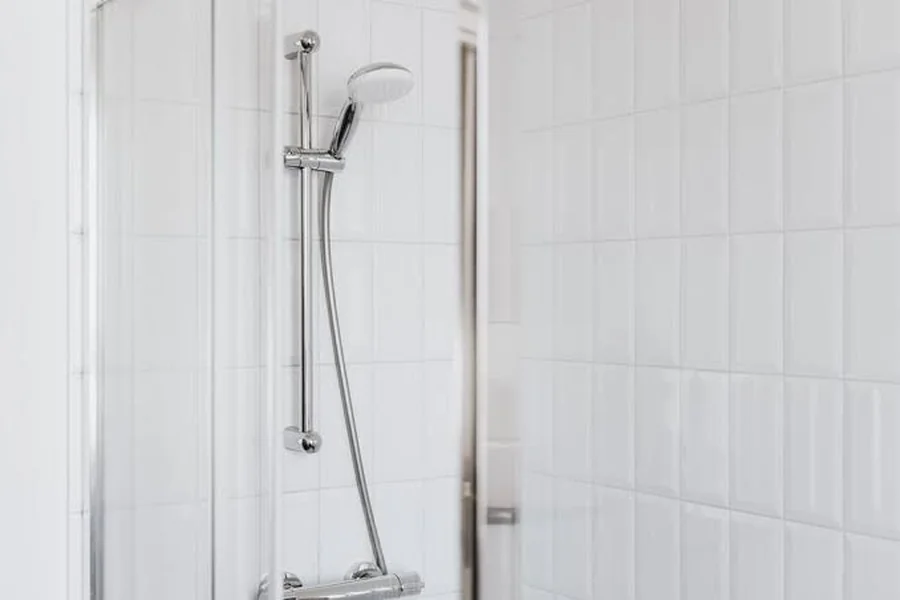
Useful shower details include a handheld showerhead, controls reachable from outside the spray, a recessed niche, and seating when appropriate. Plan grab bars as structural features, not accessories attached after the fact. Low-threshold and curbless showers also require careful waterproofing, floor slope, and drainage planning so water stays in the wet area.
Select Easy-Care Materials
Choose surfaces based on upkeep as well as appearance. Large-format porcelain tile and solid-surface wall panels can mean fewer grout lines. Quartz is commonly used for vanity tops because it provides a smooth, nonporous surface. Natural stone offers a distinctive look but may require more specific care than porcelain or engineered materials.
Low-maintenance does not mean maintenance-free. Ask about cleaning methods, sealers, repair options, warranty terms, and which products should not be used on each surface. Simple profiles and fewer seams can make routine wiping faster.
Improve Flooring and Lighting
Wet-area flooring should provide dependable traction while remaining manageable to clean. Matte finishes, textured surfaces, and appropriately sized tile can help create grip, while securely placed mats can add comfort outside the shower. Avoid choosing a floor solely from a small showroom sample.
Use layered lighting instead of relying on one ceiling fixture. Combine general room light, vanity lighting that reduces shadows at the mirror, properly rated shower lighting where used, and soft night lighting for after-dark trips. Contrast between walls, floor edges, controls, and hardware can also make the room easier to navigate.
Plan Storage and Ventilation Together
Clutter makes a bathroom harder to clean and can turn a clear route into an obstacle. Deep vanity drawers, wall-mounted cabinets, hooks, pull-out organizers, and recessed niches keep frequently used items close without crowding the counter. Place daily essentials where users can reach them comfortably.
Ventilation deserves equal attention in an Orlando remodel. The EPA recommends using bathroom exhaust during showeringand emphasizes that moisture control helps limit mold growth. A properly functioning bathroom fan that exhausts directly outdoors is more useful than a fan that merely makes noise. Confirm the fan is suitable for the room and that its duct path is planned correctly.
Add Universal Design Features
Universal design means making a space easier to use for people with different abilities, heights, and mobility levels. It can look modern and residential, not clinical. Lever handles, clear pathways, reachable controls, stronger lighting, and a shower seat can help children, guests, people recovering from injury, and older adults.
Install wall reinforcement before closing the walls, if future grab bars or seating may be useful. The 2010 ADA Standards for Accessible Design used in public settings also illustrate why controls, seating, clear space, and securely supported grab bars should be considered as one coordinated design.
Build a Realistic Remodeling Budget
A complete budget should account for design, demolition, disposal, plumbing, electrical work, waterproofing, ventilation, finishes, fixtures, labor, permits, inspections, and cleanup. Keep a contingency amount for concealed leaks, damaged framing, or outdated wiring found after demolition.
Compare detailed estimates rather than selecting only the lowest total. Make sure each proposal identifies included materials, fixture allowances, exclusions, timelines, and responsibility for permits or inspections. Protect the budget by funding essential safety and moisture work before optional upgrades.
Follow a Simple Remodeling Checklist
- Measure the room, openings, and current fixture locations.
- List safety, storage, cleaning, and comfort concerns.
- Choose the tub, shower, or conversion based on actual use.
- Review flooring, waterproofing, lighting, and ventilation as one system.
- Request written estimates with clear inclusions and exclusions.
- Confirm permits, insurance, warranties, inspections, and cleanup plans.
- Review all fixture locations before demolition begins.
- Test drains, lights, doors, storage, and safety features during the final walkthrough.
Common Bathroom Remodeling Questions
Is a walk-in shower always better than a bathtub?
No. Walk-in showers can offer easier entry and quicker cleaning, while tubs may better serve households with young children or people who prefer bathing. Choose based on the people using the room.
Can a small bathroom be made safer?
Yes. Better lighting, clearer routes, wall-mounted storage, secure flooring, and a more efficient shower layout can improve safety without increasing the room’s footprint.
What makes a bathroom easier to clean?
Smooth surfaces, fewer grout lines, accessible storage, simple fixtures, well-sealed wet areas, and effective ventilation all reduce the work required for regular upkeep.
Should safety features be planned during the remodel?
Yes. Reinforcement, seating, reachable controls, and open pathways are typically easier to plan before walls and finishes are completed.
Plan for Comfort That Lasts
A successful Orlando bathroom remodel should make everyday routines safer, cleaner, and easier to manage. By solving practical problems first and treating layout, moisture control, storage, and accessibility as connected decisions, homeowners can create a bathroom that remains comfortable and useful for years.
