
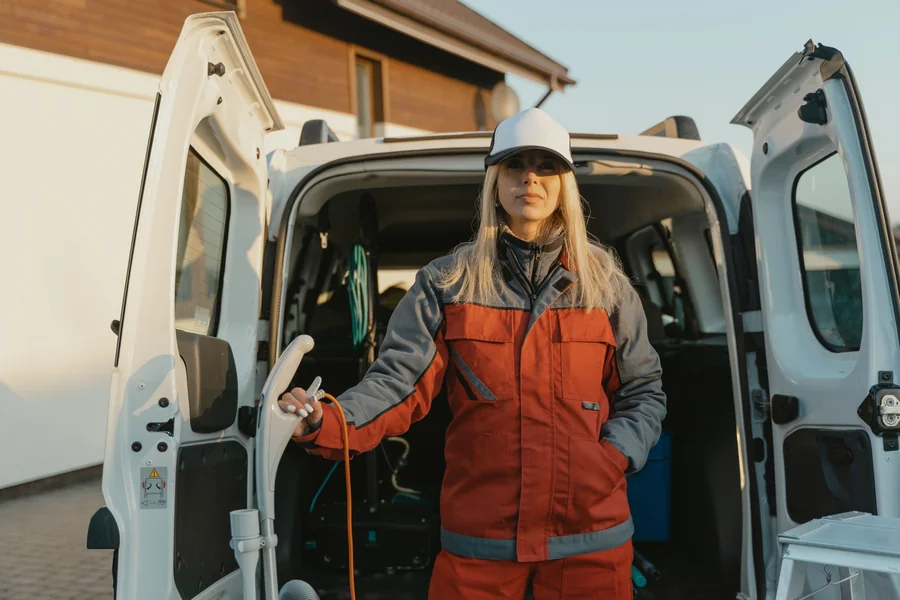
Cleaning businesses must be ready to face numerous risks, many of them unpredictable. These include property-related damage and employee injuries. Client accidents. Equipment problems.
Keeping a residence or commercial establishment clean is a cumbersome, complex job. Risk exposure reflects these characteristics. This landscape makes it indispensable for cleaning businesses to build an optimal insurance portfolio. It must match their needs and allow them to evolve.
Importantly, a viable portfolio may not follow standard industry advice. Instead, it must align closely with your specific requirements and priorities. It will also depend on your business’s current lifecycle stage.
Here is a roadmap for developing an insurance portfolio for your cleaning company.
General Liability as The Foundation
As your business starts making leaps in the cleaning industry, getting a rock-solid general liability insurance plan can give you confidence and stability. It can help businesses with claims involving third-party injuries, such as a client slipping on a mopped floor or incompatible equipment damaging a customer’s furniture.
Although this is a core requirement for firms across sectors, the insurance portfolio for cleaning business must align with specific needs in regular work cycles.
For example, the risks while traveling to a client’s location differ from those that appear when handling chemicals. A comprehensive policy must consider these scenarios, from travel to customer interaction and post-service claims.
Workers’ Compensation for Employee Support
Cleaning businesses have inherent risks for employees that a responsible organization must prevent and address. This can be anything from chemical exposure having an adverse health impact on an employee to another worker getting injured while using a vacuum or ladder.
According to the Bureau of Labor Statistics’ 2024 data, carpet and upholstery cleaning services saw 5.6 recordable injuries per 100 full-time-equivalent workers.
The CDC notes that cleaning workers may also be particularly susceptible to musculoskeletal disorders, allergies, and respiratory diseases. One cannot rule out psychosocial stress and infectious diseases either.
A sustainable approach to workers’ compensation insurance can be to work with independent firms that interact with trusted insurers on your behalf. Moody Clean Insurance highlights that these relationships can help businesses associate with financially secure insurers with proven track records.
For both growing and established cleaning businesses, this system can streamline the claims process and free up more time for growth-focused initiatives. At the same time, it ensures that workers’ needs are addressed and that they feel safe and supported in their roles.
Equipment and Auto Insurance
Another imperative for cleaning firms is insuring their equipment and the vehicles they use for transporting supplies and employees. The former includes vacuums, floor machines, pressure washers, and other items depending on the type of cleaning project.
For companies that perform commercial cleaning, the equipment list can be longer, more specialized, and also more expensive. It may also require specialized vehicle transport. This can make the vehicle prone to scratches and other damage unless the team is cautious.
Insurance policies must cover equipment and vehicles to support the cleaning business’s workflow.
Considering Umbrella Policies for Growing Businesses
As a cleaning firm grows, it goes through several substantial increments. For example, a reputed cleaning firm may have multiple commercial contracts. It will employ a larger crew and maintain more vehicles to manage these assignments. The liabilities are steep, and customers demand more. An umbrella policy can deal with these changes.
Another aspect driving the need for umbrella policies is the rise of social inflation. RAND Corporation explains it well. “Social inflation is a term that has been used to describe social and behavioral trends that expand the tort liability of parties allegedly responsible for harms and their insurers.”
The National Association of Insurance Commissioners notes that liability claim costs are rising, impacting commercial auto, professional liability, and product liability the most. Nuclear verdicts in punitive and compensatory damages can derail operations unless businesses are well-prepared.
An umbrella policy offers an extra layer of protection for these considerations. It can be a dependable strategy for a larger, more mature cleaning business. Such policies may also cover liabilities the firm didn’t consider at earlier stages in its business, such as pollution.
Cleaning Business Insurance Portfolio: Coverage at a Glance
| Coverage | Why It Matters |
| General Liability | Third-party injury and property damage |
| Workers’ Compensation | Employee injuries and illness |
| Equipment | Theft and physical damage |
| Auto | Vehicle and road-related risks |
| Umbrella | Excess liability |
| Bonding | Theft and dishonesty |
| Pollution | Chemical and contamination risks |
| Contractual | Client insurance requirements |
FAQs
Does auto insurance cover cleaning equipment inside the vehicle?
Not necessarily. Vehicle damage and equipment damage are separate insurance questions. Equipment may require business property, equipment, or inland marine coverage depending on how and where you use it.
What happens if cleaning equipment is stolen?
Coverage will depend on where the equipment was stolen and the applicable policy. Equipment you regularly transport between locations may require coverage designed for mobile or off-premises business property.
Can a customer require specific insurance?
Yes. Commercial customers, property managers, general contractors, and other organizations may require specific limits, endorsements, certificates of insurance, or additional-insured status. They may demand this before permitting a cleaning company to work on their premises.
An Adaptable Insurance Portfolio
Cleaning businesses play a critical role in the global economy and are in constant demand by individual and organizational clients. These companies facilitate safety and compliance across several key sectors, from healthcare to retail.
Protecting a cleaning business requires an insurance portfolio that doesn’t stay static. Instead, it must adapt to changing times, business needs, and the organization’s life stage. A comprehensive, balanced portfolio will help cleaning businesses thrive spotlessly.
