
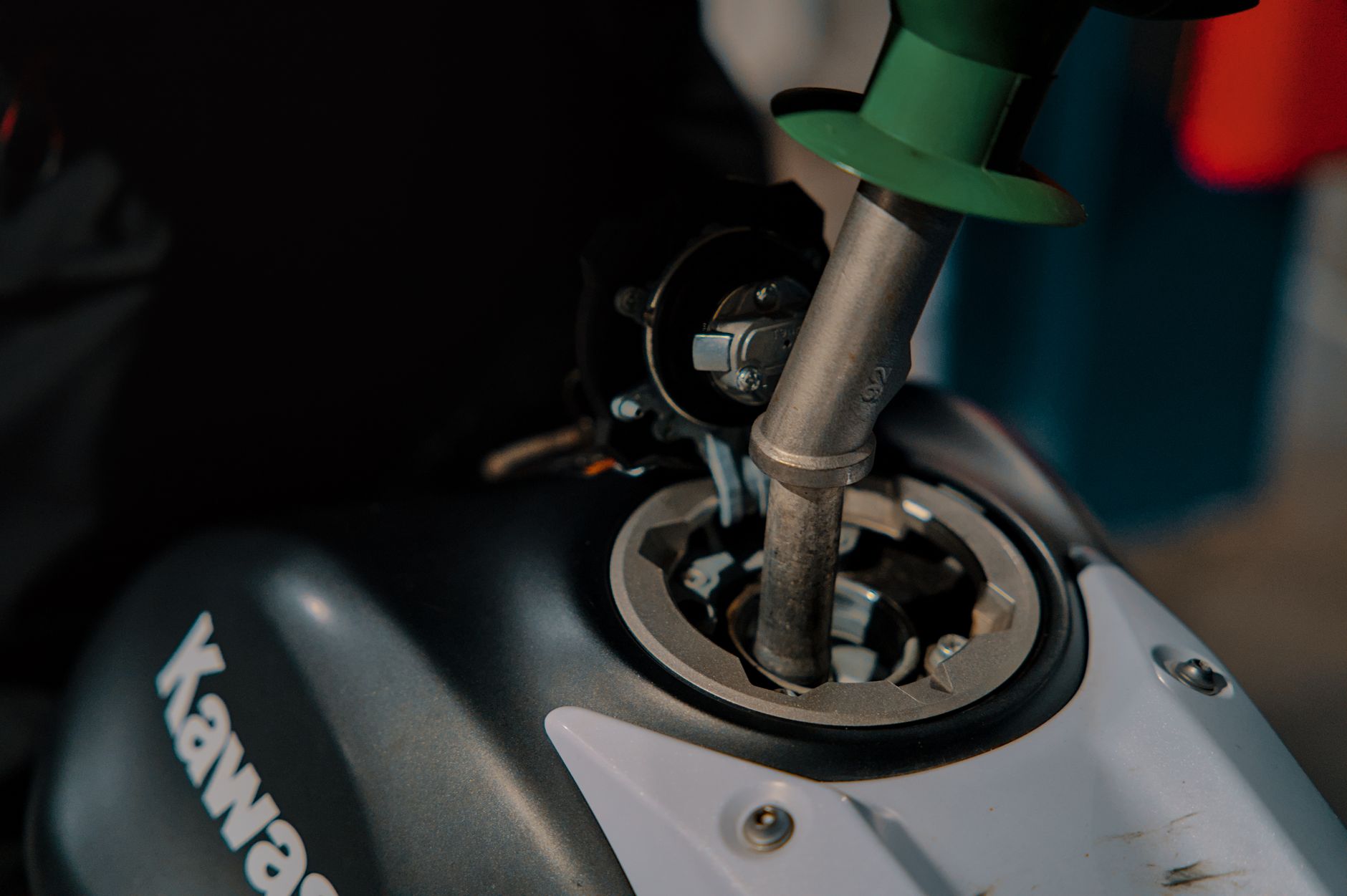

A modified motorcycle engine needs a fuel pump that can maintain the required pressure and supply enough fuel at full load. Choosing a pump based only on its advertised flow figure can lead to fuel starvation, because flow changes with operating pressure and electrical supply.
The right size depends on the engine’s fuel demand, injectors, regulator, and fuel line setup. A sound estimate starts with the engine’s expected output, then checks the pump under the conditions it will face.
Before comparing pump specifications, the builder needs a realistic estimate of the engine’s fuel requirement at peak power. Injector size, operating pressure, fuel type, and the intended duty cycle all affect that estimate, so a pump’s free-flow rating cannot answer the question alone. To choose the right motorcycle fuel pump, compare its published delivery at the motorcycle’s working pressure with the calculated demand. That comparison provides a practical starting point for selection.
Calculate the Engine’s Fuel Demand
One method uses injector capacity. Multiply the flow rate of one injector by the number of injectors, then multiply by the maximum planned injector duty cycle. Use consistent units, such as pounds per hour or cubic centimeters per minute, and check that the injector rating applies at the planned fuel pressure.
This calculation estimates the injectors’ combined delivery at the chosen duty cycle. It does not mean the pump should run at the same flow figure shown in a zero-pressure test. The pump must supply the engine while maintaining pressure against the regulator and fuel system.
A second method estimates fuel demand based on expected engine output and a fuel-consumption figure appropriate for the engine and fuel.
A qualified tuner can provide the consumption estimate, then convert the resulting fuel mass into volume using the fuel’s density. This approach helps when injector data is unavailable, but it depends on a credible consumption input.
Match Flow to Operating Pressure
A pump’s flow rate drops as discharge pressure rises. Therefore, the relevant specification is its delivery at the pressure the system needs, not its maximum flow with little or no resistance. Check the manufacturer’s flow curve or test data for the intended pressure.
For a fuel-injected motorcycle, the regulator sets the operating pressure, and the pump must maintain that pressure as the engine consumes fuel. A boost-referenced system adds another pressure condition during boost. The pump must support the required pressure differential across the injectors while preserving enough flow for peak demand.
Fuel pressure should be measured under load, not only at idle. A reading that looks normal in the garage does not confirm adequate delivery during a full-throttle run. A pressure drop at high engine speed points to a supply problem, though a test should also inspect wiring, filters, lines, and the regulator.
Allow for the Full Fuel System
The pump is one part of a system. A restricted filter, undersized line, poor electrical connection, or weak ground can reduce delivery even when the pump’s published capacity appears sufficient. Voltage at the pump matters because many electric pumps lose output when supply voltage falls.
Fuel temperature and the tank’s usable fuel level also affect operation. A pump that runs uncovered or draws air cannot maintain steady delivery. The pickup, tank baffling, and return line should suit the motorcycle’s use, especially during hard acceleration, braking, and cornering.
Do not add an arbitrary safety margin without checking the pump curve and system limits. Choose enough capacity to cover the calculated peak demand at operating pressure, with a reasonable reserve approved by the tuner. Excessive flow can create return-system or regulator issues, while excess capacity does not correct poor wiring or a blocked filter.
Confirm the Choice on the Motorcycle
After installation, verify pressure and electrical supply during a controlled load test. A qualified technician can monitor fuel pressure as engine speed and demand rise, then compare the readings with the regulator’s specification. The engine should not be run hard if pressure falls below the required level.
If the pump holds pressure, confirm that the injectors and tune match the engine’s actual setup. Larger injectors do not increase pump capacity, and a pump upgrade does not correct an unsuitable fuel map. Recheck the system after changes to boost, displacement, fuel, or regulator pressure, because each can alter demand.
Conclusion
The right pump is the one that delivers the engine’s calculated peak fuel demand at the system’s actual operating pressure, with an appropriate reserve. Start with injector data or a tuner’s fuel-consumption estimate, then verify the pump’s flow curve, wiring, and plumbing.
Finish with a loaded pressure test before sustained high-throttle use. If the test shows a pressure drop, diagnose the whole supply system instead of assuming a higher advertised pump rating will fix it.
