

Health and safety in industrial workplaces isn’t just a checklist. It’s a constant battle to keep people safe. Hazards are everywhere. Some are obvious. Others hide until something goes wrong. Every slip, fall or shock can cost more than just money. It can cost lives.
Here’s a breakdown of the biggest risks workers face.
1. Slips, Trips and Falls
Wet floors, loose cables, uneven ground. All it takes is one wrong step. These are the most common causes of workplace injuries. They seem minor. They’re not. Falls can mean broken bones, time off work, even worse.
Keeping walkways clear helps. So does proper lighting. But most slips happen when people rush. Or when spills don’t get cleaned up. It’s simple stuff. But it still gets missed.
2. Working at Height
Ladders. Platforms. Roofs. Any job above ground comes with a risk. Falls from height are deadly. Safety gear helps. So does training. But accidents still happen when people cut corners or equipment fails.
Sometimes it’s just one loose railing. Or a missed safety check. That’s all it takes.
3. Manual Handling Injuries
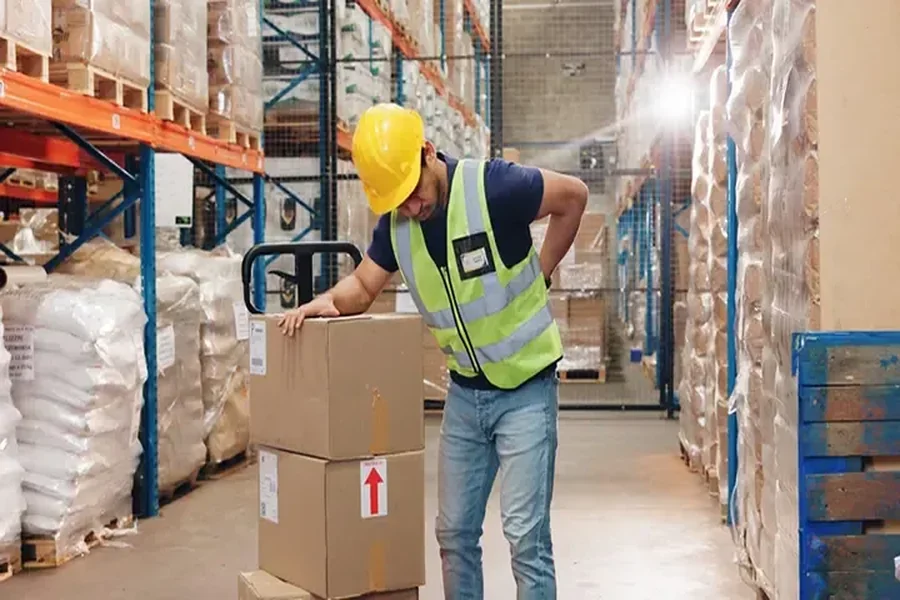
Lifting things the wrong way? Common. Twisting while carrying heavy loads? Even more common. These actions wreck backs, shoulders and knees.
People think they can handle more than they should. Or they skip using a trolley because it’s quicker. That’s where the injuries start. Proper technique matters. So does asking for help.
4. Contact with Moving Machinery
Machines don’t care if hands are in the way. They don’t stop unless someone turns them off. And even then, stored energy can release suddenly. That’s how people get crushed, cut or caught.
Sometimes guards are missing. Sometimes people try to fix things while they’re running. Either way, the results aren’t pretty.
5. Asbestos Containing Materials (AMCs)
Asbestos is the single largest cause of work-related deaths in the UK. It is now completely banned in the UK, but some older buildings still contain asbestos-containing materials (AMCs).
Workers must have adequate asbestos awareness. They must know where AMCs are found and how to avoid disturbing them.
6. Fire and Explosion Risks
It only takes a spark. Leaking gas. Poor wiring. Or flammable dust in the air. Fires start fast. Explosions are even quicker. And there’s often no second chance.
Regular checks help. So does keeping flammable stuff stored right. But workers need to stay alert. Complacency is dangerous.
7. Electrical Hazards
Worn cables. Live wires. Overloaded sockets. Shocks can kill. So can burns. And you don’t have to touch a wire to get zapped. Sometimes it arcs through the air.
People make the mistake of thinking they’re safe if the power’s off. They forget about stored energy. Or they skip testing. That’s where trouble starts.
8. Noise Exposure
Loud machines are part of the job. Grinders. Drills. Compressors. They all scream through the day. Over time, ears take the hit. Hearing damage creeps in. Once it’s gone, it doesn’t come back.
Some places hand out earplugs. Others rely on people bringing their own. That’s not good enough. Noise levels need checking. Proper ear defenders make a difference. So does limiting time in loud areas.
9. Workplace Transport Accidents
Forklifts weaving through tight spaces. Delivery trucks reversing blind. Pallet movers left in walkways. Vehicles don’t mix well with foot traffic. It’s a recipe for injuries.
Some sites mark paths clearly. Others just assume people will watch out. That’s risky thinking. Industrial safety training plays a big role here by providing operators and other workers with an awareness of the risks and control measures.
10. Stress and Fatigue
Not all hazards are physical. Long shifts. Short breaks. Constant pressure. These wear people down. When the brain’s tired, mistakes happen. And in an industrial setting, one mistake can be fatal.
People push through. They don’t say anything. But it shows. Dropped tools. Slower reactions. Missed steps. Fatigue doesn’t just affect one person. It puts the whole team at risk.
Wrap-up: Don’t Wait for Trouble
Industrial work comes with risks. That’s the job. But most hazards aren’t surprises. They’re predictable. Visible. Avoidable.
Slips, falls, noise, fire, machinery. These aren’t rare freak events. They’re everyday threats. And they stay threats unless someone deals with them.
Spot the dangers. Talk about them. Train for them. And most of all, don’t let them pile up. Waiting for an accident to act is always too late.
Health and safety isn’t paperwork. It’s paying attention. Fixing things fast. Listening when someone says something’s not right.
That’s how injuries drop. That’s how people go home safe. Every time.
