
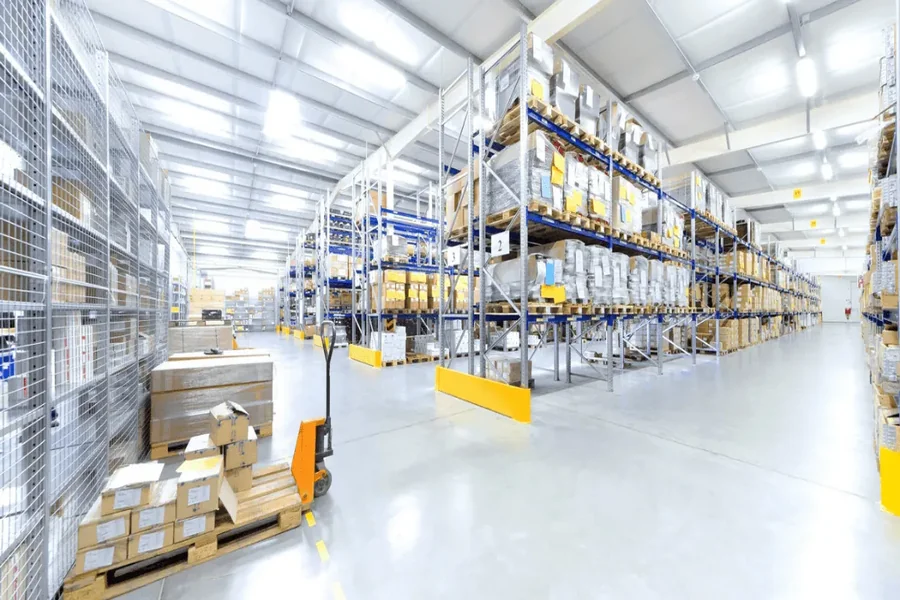

It’s a pretty big time in the life of your company when you expand to the point where you’re opening a warehouse or a manufacturing facility. Whether your focus is expanding your distribution or launching a completely new manufacturing venture, here’s the secret: plan carefully. Yet every choice — from where to site a building, to what materials to use, to how to make work processes more efficient — can also result in enduring impact.
Here’s what every business should think about before stepping into a warehouse or production environment.
Choose the Right Location
The location of your warehouse or production facility will have a lasting impact on logistics, accessibility, and cost-efficiency.
Before committing to a site, consider:
- Zoning regulations and whether the area is approved for industrial or commercial use.
- Proximity to major highways, shipping routes, or customer hubs to streamline distribution.
- Utility access for water, power, and internet services is needed for operations.
- Room for expansion if your business plans to grow in the future.
- Environmental concerns, such as drainage or flood zones, may require additional planning or permits.
Choosing the right location sets the foundation for smooth operations and future scalability.
Plan for Space and Workflow Efficiency
A well-designed facility layout is key to maintaining productivity and safety.
When planning your space:
- Separate areas for receiving, storage, packaging, shipping, and administrative tasks.
- Ensure clear aisles and logical flow for employees, forklifts, and conveyor systems.
- Use vertical space efficiently with appropriate racking or mezzanines.
- Build flexibility into your layout so you can adapt as needs change.
Investing in proper workflow planning at the start helps avoid bottlenecks and costly reconfigurations later.
Invest in Proper Industrial Flooring
One of the most overlooked yet critical elements of any facility is the flooring. The type of flooring you choose affects safety, longevity, and operational effectiveness.
Your warehouse or production floor must withstand:
- Heavy machinery and pallet jacks
- Frequent foot and vehicle traffic
- Exposure to chemicals, moisture, or temperature fluctuations
- Potential slip hazards or impact from dropped tools or materials
Options like epoxy coatings, polished concrete, or anti-slip finishes are popular in industrial settings, but choosing the right solution depends on your specific operations.
For expert guidance, contact TCF West, they have a team of specialized industrial flooring contractor. Their specialists can also evaluate what you need and let you know about cutting-edge types of flooring that could meet your facility’s requirements. Skimp on flooring, and you might find yourself facing an early worn-out appearance and the higher maintenance expenses that go with it — or, in the worst case possible, a safety claim.
Ensure Compliance with Health and Safety Standards
Every warehouse or production facility must meet strict health and safety regulations.
To stay compliant and keep employees safe:
- Follow OSHA or regional standards for equipment, exits, and fire suppression systems.
- Clearly label emergency exits, first aid kits, and hazardous material zones.
- Use adequate ventilation, especially in facilities that handle chemicals or generate dust.
- Provide appropriate PPE (personal protective equipment) and employee safety training.
- Conduct routine inspections and update safety procedures regularly.
Failing to meet safety standards can result in costly fines or legal issues, and more importantly, it puts your team at risk.
Beyond general compliance, the quality of personal protective equipment (PPE) is paramount in safeguarding your workforce. For instance, eye protection is non-negotiable in environments with flying debris, chemical splashes, or intense light, where even minor incidents can lead to severe injury. Investing in high-grade equipment, such as oakley prescription safety glasses, ensures that employees have reliable defense against workplace hazards.
These specialized glasses are designed to meet stringent safety standards like ANSI Z87+, offering superior impact resistance and comfort for long shifts. Prioritizing robust PPE not only protects your team but also reinforces a culture of safety, preventing costly injuries and maintaining operational continuity.
Integrate Smart Technology and Infrastructure
Physical space isn’t all that goes into a modern warehouse or production facility; technology is also crucial to competing, being efficient and staying ahead of the competition. In facilities that depend on automated workflows and precision equipment, technologies supporting systems like valve bag fillers, commonly used in modern industrial packaging operations such as those developed by Choice Bagging, highlight how smart integration enhances accuracy, efficiency, and operational control.
Consider integrating:
- Computerized stock control systems to monitor stock movements on a day-to-day basis
- Energy efficient and cost-effective smart lighting and HVAC systems
- Cameras, keyless and alarm system for more security
- Broadband internet and Wi-Fi for electronic workflows and communication
A tech-powered establishment streamlines a process and offers the company insightful metrics to help drive decisions. Businesses can also optimize their logistics and yard management processes using DataDocks, a comprehensive platform designed to simplify dock scheduling, shipment visibility, and warehouse efficiency — helping companies maintain smoother operations and data-driven control.
Build a Skilled Team and Operations Plan
Even the best facility is only as good as the people who run it.
Before opening day:
- Hire qualified staff experienced in warehouse or production environments.
- Develop standard operating procedures (SOPs) for equipment use, safety, and daily operations.
- Provide thorough training sessions so your team understands the layout, policies, and tools.
- Establish a clear chain of command and assign roles for quality control, logistics, and maintenance.
Preparation empowers your workforce to perform efficiently and reduces downtime due to confusion or accidents.
Conclusion
Launching a warehouse or a production facility is a huge job, but with some smart planning and the right resources, it can make your business into a success in the long-run. From deciding where the studio should be and planning workflow to choosing the right flooring, the details are what both make and break the shoot.
Do it right the first time, and your business will be stronger, safer and more efficient from the outset.
