
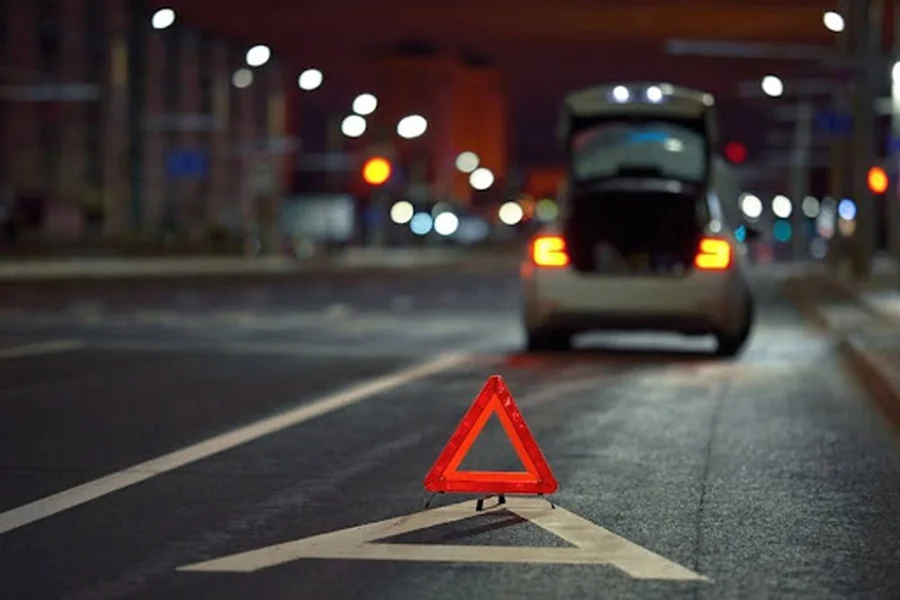

Nighttime driving presents a unique set of challenges, especially on highways where speeds are higher and road conditions can vary drastically. One of the primary risks associated with nighttime driving is reduced visibility, which makes it more difficult for drivers to react to potential hazards. Coupled with driver fatigue, these factors significantly increase the risk of accidents. Headlights can only illuminate so much of the road, and as night falls, so does the ability to judge distances and spot obstacles in time. For victims of these accidents, having a skilled highway accident lawyer can make a significant difference in navigating the complexities of legal claims, ensuring that they receive the compensation they deserve for injuries caused by these unique hazards.
The Increased Risk of Highway Accidents at Night
Reduced Visibility
One of the most immediate risks of nighttime driving is the reduced visibility. At night, the darkness naturally makes it harder to see the road, pedestrians, and other vehicles clearly. While headlights help, they only illuminate a small portion of the road, often leading to limited reaction times for drivers. For example, low beams only cast light about 160 feet in front of the vehicle, which can be insufficient when traveling at high speeds on highways. As the road ahead becomes darker, drivers have less time to notice unexpected obstacles, such as debris, animals, or vehicles stopped on the road. This dramatically increases the chances of collisions.
On highways, where vehicles often travel at higher speeds, even a small delay in reaction time can be catastrophic. A driver’s ability to judge distances or quickly recognize a sudden change in the road conditions is severely diminished after dark. Moreover, the quality of headlights—which may be outdated or improperly aimed—plays a significant role in how well a driver can perceive the road.
Driver Fatigue
While reduced visibility is a significant hazard, driver fatigue is equally dangerous. As the night progresses, many drivers may become drowsy, especially if they’ve been on the road for several hours. Fatigue impairs reaction times, decision-making abilities, and attention span—all of which are critical for safe driving. Drivers who are tired are more likely to make mistakes, such as drifting out of their lane, misjudging distances, or falling asleep behind the wheel.
The effects of fatigue can be just as severe as impairment caused by alcohol or drugs. When a driver is exhausted, their ability to stay alert and attentive to the road is compromised, putting themselves and others at significant risk. This is especially true on highways, where high speeds and long stretches of road can encourage drowsiness. Drowsy driving may not be as widely recognized as drunk driving, but it remains one of the leading causes of highway accidents at night.
Why Nighttime Driving Complicates the Process of Proving Liability
Challenges with Evidence Collection
When a highway accident occurs at night, gathering evidence can become more challenging. Surveillance cameras, dashcam footage, or witness testimony may be less reliable or harder to obtain in the dark. For example, a nearby traffic camera may not provide a clear view of the accident scene, or witness statements could be clouded by the lack of visible detail in the dark.
In many cases, accident victims or investigators may rely on police reports or physical evidence to establish liability. However, in nighttime accidents, the absence of clear physical evidence or eyewitness testimonies can make it difficult to prove exactly what happened. Brake marks, vehicle damage, and other visual clues may be less obvious in low-light conditions, leading to potential challenges in proving fault.
The Role of Impairment and Fatigue in Legal Proceedings
In many highway accidents at night, fatigued driving or potential impairment (whether from alcohol, drugs, or other factors) plays a role in the crash. However, proving that fatigue was a contributing factor can be complicated. Unlike drunk driving, where blood alcohol content (BAC) levels provide clear evidence of impairment, drowsy driving is more subjective and harder to prove. Victims may face challenges in convincing the court that the driver’s fatigue played a major role in the crash without direct evidence.
Moreover, if the driver was impaired by alcohol or drugs, proving that they were under the influence at the time of the crash can be complicated without physical tests or breathalyzer results. This makes liability claims more difficult to settle, as the burden of proof rests heavily on the victim’s legal team to establish the contributing factors of the accident. That’s why hiring an experienced highway accident lawyer is essential to ensure all aspects of the case are properly handled.
How Reduced Visibility and Driver Fatigue Contribute to Specific Types of Nighttime Accidents
Single-Vehicle Crashes
Fatigue and reduced visibility can often contribute to single-vehicle crashes at night. When drivers become drowsy or distracted, they may inadvertently drift off the road or lose control of their vehicle. This type of accident is particularly common on highways where long, straight stretches of road can encourage monotony and sleepiness. In these cases, the driver may not even notice road signs or warning lights indicating a dangerous area, leading to crashes that might have been preventable with proper rest and awareness.
Multi-Vehicle Collisions
Multi-vehicle collisions are another common outcome of nighttime driving accidents. Reduced visibility can cause drivers to fail to notice slowing traffic or stopped vehicles, leading to rear-end collisions. Similarly, impaired drivers who fail to notice that traffic is slowing down may cause chain reactions on highways, especially if they’re speeding or fatigued. In these situations, liability can be more difficult to prove, as the presence of multiple vehicles complicates the situation.
Preventative Measures and How to Safeguard Yourself on Nighttime Highways
Improving Visibility
To mitigate the risks associated with reduced visibility, it’s important to maintain your vehicle’s lighting system properly. Regularly check your headlights, taillights, and turn signals to ensure they are functioning correctly. Properly aligned headlights are also critical to maximizing your ability to see the road ahead. Additionally, reduce your speed at night and increase following distances to allow for more reaction time in case of unexpected hazards.
Preventing Driver Fatigue
To combat driver fatigue, ensure that you get adequate rest before driving at night, especially on long highway trips. Take breaks every couple of hours, and if you begin to feel tired, pull over and rest. Consider traveling with a companion so that you can share the driving duties and reduce the risk of drowsy driving. Remember, drowsy driving is just as dangerous as drunk driving.
Conclusion: Understanding the Risks of Nighttime Driving on Highways
Nighttime driving on highways presents significant risks, especially when visibility is reduced and drivers are fatigued. These factors contribute to a higher likelihood of highway accidents, and the challenges of proving liability make these cases even more complicated. However, by taking preventative steps to ensure better visibility and reducing the risks of fatigue, drivers can help protect themselves and others on the road. If you’re involved in a nighttime highway accident, having legal support is critical in ensuring that you receive fair compensation for your injuries and damages.
