
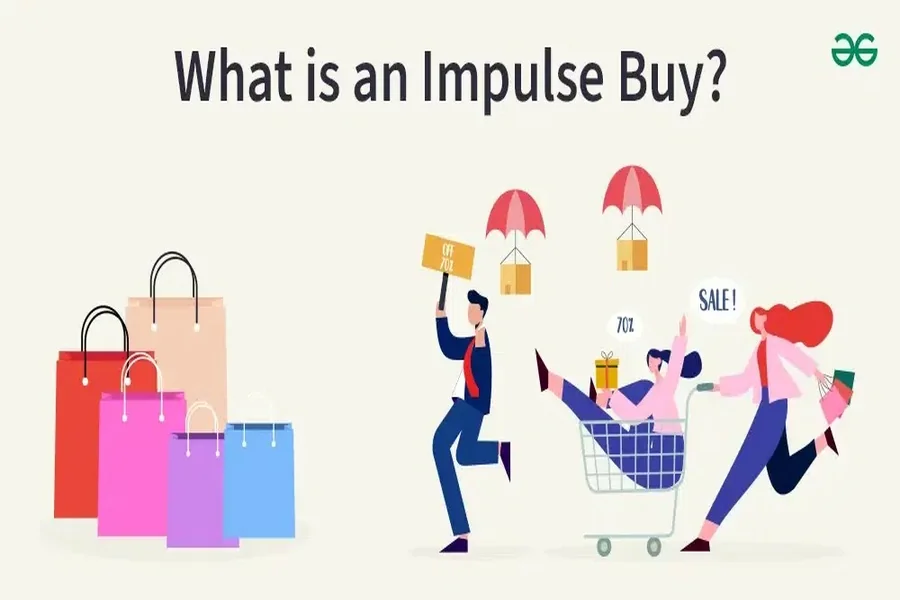

The Hidden Cost Behind a Quick Decision
Everyone has experienced it: walking into a store for one small thing and walking out with a bag full of extras. Online shopping makes it even easier with one-click purchases and endless “you might also like” suggestions. Impulse buying feels harmless in the moment, but the real cost often goes far beyond the price tag. These quick decisions can quietly drain savings, build debt, and even create stress that lingers long after the excitement fades. It’s not unlike asking, “What is debt forgiveness?” and realizing that while relief exists, it comes with conditions and consequences. Similarly, impulse buying has a ripple effect that impacts financial stability, mental health, and future opportunities.
Why We Buy Without Thinking
Impulse buying often comes from emotions rather than needs. Stress, boredom, or even celebration can trigger the desire to spend. Retailers understand this and design stores, apps, and ads to encourage quick decisions. Bright displays, limited-time offers, and free shipping tempt us to act without reflection. The problem is that what feels good in the moment doesn’t always feel good later. The thrill of getting something new quickly fades, leaving behind regret and a smaller bank balance. Recognizing these triggers is the first step to breaking the cycle.
The Financial Drain of Impulse Spending
While a few small purchases may not seem significant, they add up quickly. A $20 impulse buy once a week turns into more than $1,000 a year. That money could have been used to pay down debt, build an emergency fund, or save for larger goals like travel or retirement. Impulse buying often leads to credit card use, which adds interest to the original purchase. Over time, the financial drain creates stress and limits future options. The true cost is not just the money spent but the opportunities lost.
The Mental Health Connection
Impulse buying also affects emotional well-being. Many people feel a rush of excitement when making a purchase, followed by guilt or anxiety once reality sets in. This emotional rollercoaster can become exhausting, especially if spending habits create financial strain. Over time, the stress of managing debt or feeling out of control with money can erode confidence and increase worry. Shopping may offer temporary relief, but it often adds to the very stress people are trying to escape.
The Opportunity Cost of Choices
Every dollar spent impulsively is a dollar that can’t be used elsewhere. This is known as opportunity cost. Buying a new gadget on a whim may mean delaying a family vacation, skipping a chance to invest, or falling behind on savings goals. The missed opportunities are often more valuable than the items themselves. Impulse buying steals from the future to pay for a fleeting moment of pleasure in the present.
Impulse Buying and Future Security
Financial security relies on planning and discipline. Impulse buying disrupts both. It makes budgeting harder because unplanned purchases throw off even the best financial plans. Over time, it reduces the ability to handle emergencies, increases reliance on credit, and slows down progress toward big goals. A pattern of impulsive spending can also affect credit scores, which in turn makes borrowing for necessary items—like a home or car—more expensive. What feels like a small habit today can jeopardize financial freedom tomorrow.
Strategies to Regain Control
Breaking free from impulse buying doesn’t mean giving up fun or joy. It means shifting from reactive decisions to conscious choices. One strategy is creating a waiting period—if you see something you want, wait 24 hours before buying it. Often, the desire fades. Another method is sticking to a shopping list and avoiding stores or websites when you’re feeling emotional. Setting savings goals can also provide motivation, making it easier to resist small temptations because you’re working toward something bigger. Tracking spending helps too, giving you a clear picture of how much impulse buying is really costing.
Shaping a Healthier Relationship With Money
At its core, impulse buying is about the relationship between emotions and money. By becoming more aware of triggers, setting boundaries, and building healthier habits, you can replace short-term satisfaction with long-term security. It’s not about being perfect but about making more intentional decisions. Each time you choose to pause instead of splurge, you strengthen financial confidence and reduce stress. Over time, this shift leads to greater stability and more opportunities to enjoy life without regret.
Conclusion: Beyond the Price Tag
Impulse buying may feel like a small indulgence, but its impact reaches far beyond the moment. It drains finances, affects mental health, and steals from future opportunities. The real price isn’t just the money spent—it’s the loss of stability and peace of mind. By understanding triggers, planning ahead, and focusing on long-term goals, you can take control of your spending. The reward is more than just financial—it’s the freedom and confidence that comes from making choices that truly serve your future.
