
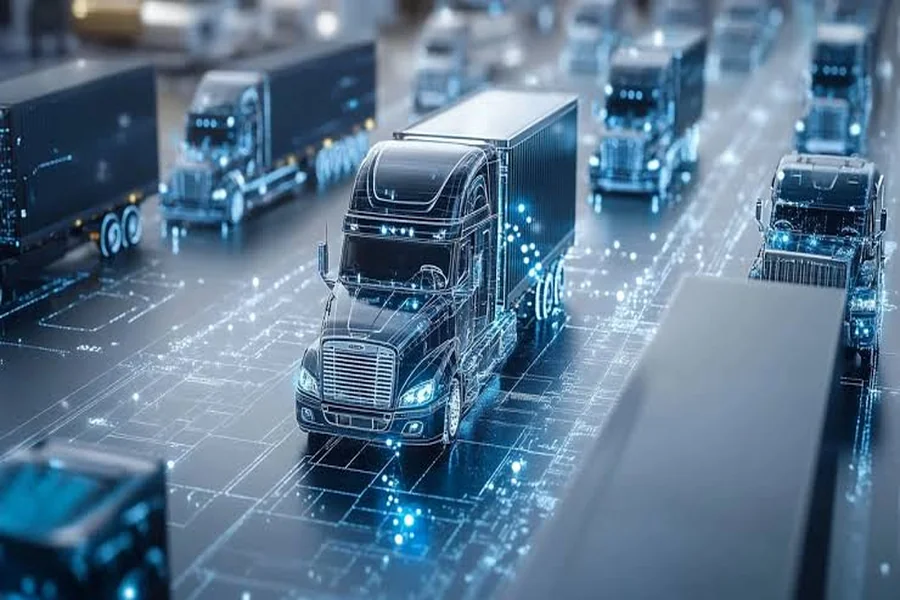

Modern fleets generate more operational data than ever before. Connected vehicles, telematics, IoT sensors, and onboard diagnostics continuously capture information about vehicle health, driver behavior, fuel consumption, and asset performance. According to industry forecasts, the global connected vehicle market is expected to surpass $190 billion by 2028, reflecting the rapid adoption of data-driven technologies across transportation. As fleet operations become increasingly digital, fleet maintenance software has become essential for turning this constant stream of data into actionable maintenance insights.
Traditional maintenance approaches, based on fixed service intervals or unexpected breakdowns, struggle to keep pace with growing fleet complexity. Reactive maintenance often leads to unplanned downtime, higher repair costs, and reduced vehicle availability. AI is changing this model by analyzing real-time and historical data to detect early signs of component failure, predict maintenance needs, and optimize service schedules before problems occur.
In this article, we’ll explore how AI is transforming fleet maintenance, the technologies behind predictive diagnostics, the business benefits for fleet operators, and the key considerations for implementing an AI-powered maintenance strategy.
How Is AI Improving Fleet Maintenance and Vehicle Diagnostics?
Artificial intelligence is transforming fleet maintenance from a reactive process into a proactive, data-driven strategy. Instead of relying on fixed maintenance schedules or waiting for components to fail, AI continuously analyzes data from connected vehicles, telematics devices, onboard sensors, and diagnostic systems to identify patterns that indicate potential issues. This enables fleet managers to make maintenance decisions based on the actual condition of each vehicle rather than assumptions or predefined service intervals.
One of AI’s most valuable capabilities is predictive maintenance. By processing real-time data alongside historical maintenance records, AI algorithms can estimate when critical components are likely to wear out or malfunction. For example, the system can recognize subtle changes in engine temperature, oil pressure, fuel efficiency, or vibration levels that may indicate an upcoming failure. Maintenance teams can then schedule repairs before the issue develops into a costly breakdown, reducing both downtime and emergency repair expenses.
AI-powered vehicle diagnostics also provide a much deeper understanding of vehicle health than traditional diagnostic tools. While conventional systems typically alert drivers after a fault code has already been triggered, AI evaluates thousands of data points simultaneously to detect abnormal behavior at an earlier stage. It can identify hidden correlations between sensor readings that would be difficult for technicians to recognize manually, allowing fleets to address problems before they affect vehicle performance or safety.
Continuous monitoring is another major advantage. AI platforms track the condition of essential vehicle systems throughout every trip, including:
- Engine performance and fuel system efficiency
- Battery health and charging cycles, particularly for electric fleets
- Brake wear and braking performance
- Tire pressure, temperature, and tread condition
- Transmission and drivetrain components
- Cooling systems and fluid levels
This constant visibility allows fleet managers to monitor the health of every vehicle without relying solely on routine inspections. If abnormal behavior is detected, maintenance teams receive alerts with recommended actions, enabling faster responses and reducing the risk of unexpected failures on the road.
Early fault detection has a direct impact on fleet availability and operating costs. Minor issues that would normally go unnoticed, such as gradual battery degradation, increasing engine vibration, or uneven tire wear, can be identified before they lead to expensive repairs or vehicle downtime. As a result, fleets experience fewer roadside breakdowns, lower towing and emergency maintenance costs, and improved vehicle reliability. Drivers also benefit from safer vehicles that are less likely to experience mechanical failures during operation.
AI also enables smarter maintenance scheduling by replacing calendar-based service intervals with condition-based maintenance. Traditionally, vehicles are serviced after a predetermined number of miles or operating hours, regardless of their actual condition. AI continuously evaluates vehicle health and recommends maintenance only when it is truly needed. This approach helps fleets avoid unnecessary servicing while ensuring that high-risk components receive attention before they fail. It also allows maintenance activities to be grouped strategically, minimizing disruptions to daily operations.
What Are the Business Benefits of AI-Powered Fleet Maintenance?
AI-powered fleet maintenance delivers value far beyond preventing unexpected breakdowns. By combining predictive analytics, real-time diagnostics, and automated monitoring, fleet operators can optimize maintenance strategies, reduce operating costs, and improve the overall performance of their assets. These benefits have a direct impact on profitability, operational efficiency, and customer satisfaction.
One of the most immediate advantages is lower maintenance costs. For individual vehicle owners, an auto protection plan can provide another potential layer of protection against certain unexpected repair costs, depending on the coverage and terms. AI identifies potential issues while they are still minor, allowing maintenance teams to resolve problems before they escalate into expensive repairs. Replacing a worn component during scheduled maintenance is significantly more cost-effective than repairing major engine damage or recovering a vehicle after a roadside failure. Predictive maintenance also reduces unnecessary servicing, ensuring that parts are replaced based on their actual condition rather than fixed maintenance intervals.
AI also helps minimize vehicle downtime, one of the most significant expenses for fleet operators. Every hour a vehicle is unavailable can result in missed deliveries, delayed services, lost revenue, and dissatisfied customers. By predicting failures in advance, AI allows maintenance to be scheduled during planned service windows, keeping more vehicles on the road and improving fleet availability.
Another major benefit is extending vehicle lifespan and maximizing asset utilization. Continuous monitoring helps prevent excessive wear by identifying problems before they place additional stress on critical components. Vehicles that receive timely maintenance typically remain in service longer, require fewer major repairs, and retain higher resale value. At the same time, fleet managers gain greater visibility into asset performance, allowing them to allocate vehicles more efficiently and avoid overusing specific assets.
Driver safety also improves with AI-powered diagnostics. Mechanical failures involving brakes, tires, steering systems, batteries, or engines can lead to serious accidents if left undetected. AI continuously monitors these components and alerts maintenance teams when performance begins to deteriorate. Addressing safety-critical issues before they become hazardous helps protect drivers, reduce accident risks, and support compliance with safety regulations.
AI enhances maintenance planning and resource allocation by providing accurate forecasts of future service needs. Instead of reacting to unexpected repairs, fleet managers can plan technician workloads, schedule service appointments, and order replacement parts well in advance. This reduces scheduling conflicts, minimizes inventory shortages, and allows maintenance facilities to operate more efficiently. Organizations can also prioritize repairs based on vehicle condition and business impact rather than treating every maintenance task with the same urgency.
What Should Businesses Consider When Implementing AI for Fleet Maintenance?
Successfully implementing AI for fleet maintenance requires more than adopting a new technology. Organizations need a strong data foundation, seamless system integration, and clearly defined processes to ensure AI delivers accurate insights and measurable business value. Without these elements, even the most advanced algorithms will struggle to produce reliable predictions.
A key consideration is integrating AI with existing fleet technologies. AI solutions are most effective when they can access data from telematics platforms, fleet management software, onboard diagnostic systems, GPS devices, and IoT sensors. Bringing these data sources together creates a comprehensive view of each vehicle’s condition, usage patterns, and maintenance history. The more connected the ecosystem, the more accurate AI models become at identifying risks and recommending maintenance actions.
The quality of the underlying data is equally important. AI relies on large volumes of accurate, real-time information to detect anomalies and forecast equipment failures. Incomplete maintenance records, inconsistent sensor readings, or outdated vehicle data can reduce prediction accuracy and lead to poor maintenance decisions. Businesses should establish data validation processes, standardize data collection across the fleet, and ensure continuous synchronization between connected systems to maximize the effectiveness of AI-driven maintenance.
Organizations should also view AI as a tool that complements—not replaces—experienced technicians. While AI excels at analyzing massive datasets and identifying patterns that humans might miss, maintenance professionals provide the practical expertise needed to diagnose complex issues, perform repairs, and evaluate recommendations within the broader operational context. Combining AI-powered insights with technician experience creates a more reliable and efficient maintenance process than either approach alone.
Measuring return on investment is another essential part of implementation. Rather than focusing solely on technology adoption, businesses should track KPIs that demonstrate operational improvements. Common metrics include:
- Reduced unplanned vehicle breakdowns
- Lower maintenance and repair costs
- Increased fleet uptime and vehicle availability
- Improved maintenance scheduling accuracy
- Longer vehicle service life
- Higher technician productivity and resource utilization
Monitoring these indicators helps organizations quantify the business impact of AI and identify opportunities for further optimization.
Choosing the right technology partner can significantly influence the success of an AI initiative. COAX Software has extensive experience in fleet management software development, helping businesses build scalable solutions that integrate telematics platforms, IoT devices, and vehicle diagnostic systems into a unified ecosystem. By automating maintenance workflows, centralizing operational data, and delivering actionable insights through advanced analytics, COAX enables fleet operators to improve decision-making, increase operational efficiency, and build a predictive maintenance strategy that supports long-term business growth.
Future-Proof Your Fleet with AI
AI is redefining fleet maintenance by replacing reactive repairs with predictive, data-driven decision-making. Through continuous vehicle monitoring, intelligent diagnostics, and predictive maintenance, fleet operators can detect issues earlier, optimize service schedules, and prevent costly breakdowns before they occur. The result is a more reliable fleet that spends less time in the workshop and more time on the road.
Organizations that embrace AI-powered maintenance gain measurable business advantages, including lower maintenance costs, improved fleet availability, longer vehicle lifecycles, enhanced driver safety, and more informed operational planning. As connected vehicles and telematics continue to generate increasing volumes of data, AI will become an essential tool for transforming that information into actionable insights that improve both operational and financial performance.
Investing in scalable, AI-powered fleet solutions today helps businesses build a resilient maintenance strategy for the future. By integrating AI with connected fleet technologies and leveraging the right software platform, organizations can maximize vehicle performance, increase operational efficiency, and stay competitive in an increasingly data-driven transportation industry.
