
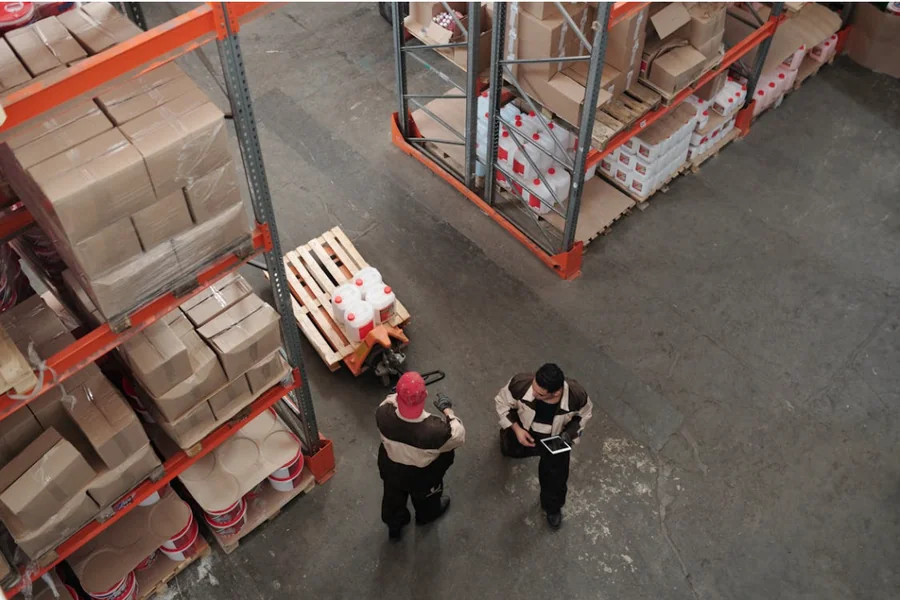

Strong inventory habits help teams keep supplies in order and reduce delays during busy periods. Many industrial sites shift layouts, receive large shipments, or work on short timelines, so they need storage setups that adapt quickly. Flexible temporary units, simple tracking habits, and clear work zones help teams cut stress and save time. When teams can place items in the right spot and check levels quickly, they make better choices and keep work moving at a steady pace.
Here are some practical ideas that support inventory work in warehouses, plants, loading sites, and similar environments:
Know What You Have and Where It Goes
A strong inventory system starts with clear item lists and steady updates. When teams check stock often, they avoid mix-ups and keep daily tasks predictable. It helps to record new arrivals on the spot and place them where workers can find them without confusion. Break items into simple groups so teams can sort, read labels, and complete tasks without stopping to guess where things belong. A plain folder or basic app can track amounts and help teams see what moves fast. When stock counts stay current, workers act quickly, reduce mistakes, and support a more balanced flow during long shifts.
Storage Options That Support Inventory Work
Some businesses need extra space during large orders, seasonal shifts, or relocation periods. Many businesses choose portable storage for rent because it fits tight deadlines and helps keep items close to active work zones. Storage units that arrive on-site help teams stay organized without rearranging the entire facility. Reputable providers can offer steel units with ground-level entry, weather protection, simple drop-off, and quick pick-up. These units come in different sizes, and teams can choose short-term or long-term use. Workers load items without ramps, and wide doors give them room to move pallets or bulky supplies. This flexibility gives teams a helpful option when handling space challenges.
Create a Layout That Workers Can Follow
A clear layout helps workers move with confidence. Place common items where teams can reach them fast. Store heavier stock near the front so workers avoid long walks and reduce strain. Simple labels or color marks help teams sort items without guessing. When aisles stay open, workers pull, load, and return items without slowing down. Try grouping items by task instead of type when it helps teams complete orders faster. Each shelf, bin, and cart should have one purpose so teams stay on track. A layout that stays consistent day to day helps crews finish work with fewer interruptions.
Track Items With Simple Tech Tools
Short scans and quick updates save time during busy shifts. Barcode tools, QR labels, and small inventory apps help teams avoid guessing and run checks in seconds. These tools help workers stay aware of item counts so they restock before supplies run low. Many apps show movement history or alert teams when a count drops. Teams can check levels from a handheld device and avoid long back-and-forth walks across the site. Clear scans also help prevent double-entry errors. With simple tech, teams keep track of items while staying focused on their main tasks, and this supports a stronger workflow throughout the day.
Set Up a Steady Reorder System
A clear reorder routine gives workers confidence as they pull items for daily tasks. Set a simple count threshold for each product so teams know when to request more. These small checks help reduce delays and keep jobs on schedule. Use basic charts or short lists to record the point where new stock should arrive. Make this part of the daily walkthrough so workers stay informed. Encourage teams to speak up as soon as a level looks low. When reorder rules stay visible and easy to follow, teams act faster and avoid supply gaps. This approach keeps the cycle predictable and smooth.
Train Teams on Strong Inventory Habits
Short training sessions help workers follow the same system. Teach new hires where items go, how labels work, and how often updates happen. Walk them through the storage layout so they learn the flow and avoid confusion. Give them simple checklists that show daily tasks, such as restocking, counting, or returning items to the right shelf. When workers understand the process from the start, they complete tasks with fewer errors. Clear habits help reduce stress during busy shifts and help the entire team stay consistent. Training does not need to be long. It only needs to be direct, steady, and easy to follow.
Keep Work Areas Clean and Easy To Navigate
A clean space helps teams work faster and safer. Remove old boxes or extra packing so aisles stay open. Keep carts, ladders, and bins in set spots so workers do not search for them during urgent tasks. Wipe dust from labels so teams can read them without slowing down. When items return to the same shelf every time, workers avoid confusion and complete tasks with fewer steps. Encourage teams to take a moment at the end of each shift to clear debris and place tools back where they belong. These small habits support better focus and reduce clutter during peak hours.
Monitor Stock Levels Every Day
Quick daily checks help teams stay aware of changing stock needs. Walk through the main zones and look for low amounts or misplaced items. Record small changes so the larger count stays accurate through the week. When workers see issues early, they react before the problem grows. A simple list for morning or afternoon rounds helps keep the process steady. Each check should only take a few minutes, and it helps teams stay ready for incoming orders or outgoing shipments. This routine builds stronger awareness, supports clear communication, and reduces the chance of last-minute shortages.
Good inventory habits reduce delays and support steady results across industrial sites. Simple storage choices, clear layouts, and daily checks help teams stay organized without adding stress. When workers know where items go and how to track them, they avoid confusion and finish tasks faster. Extra storage options, clean work areas, and clear routines support teams during busy times. Inventory work becomes easier when each step stays simple, consistent, and easy to understand. With the right habits in place, teams feel more prepared and move through each day with better focus and fewer problems.
