
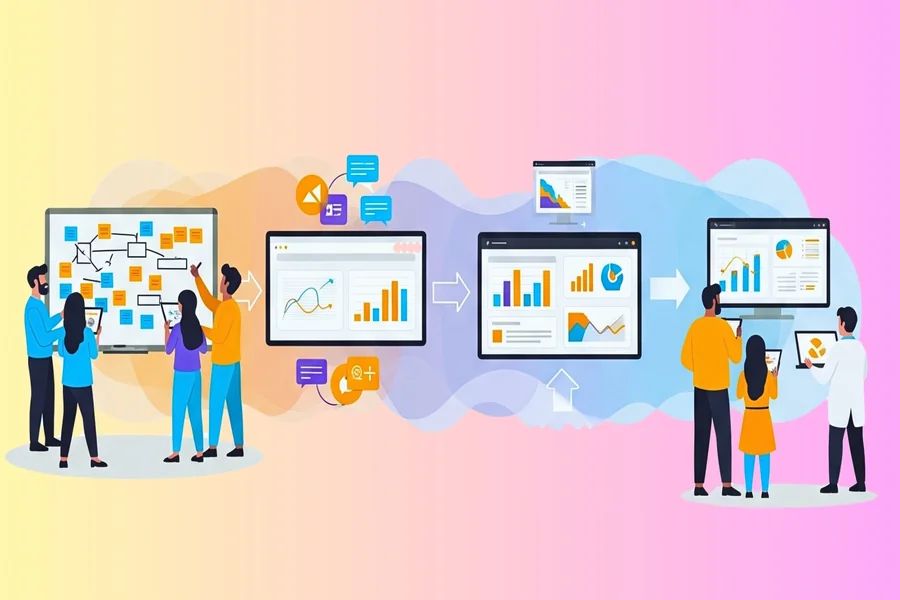

In today’s data-driven world, businesses thrive on insights. Yet, as technology evolves at an unprecedented pace, the analytics tools and infrastructure that worked yesterday might not meet tomorrow’s demands. Future-proofing your analytics stack is no longer an option—it’s a necessity. As organizations continue to migrate from legacy systems to more scalable platforms like Microsoft Power BI, valuable lessons are emerging about how to build resilience, flexibility, and long-term efficiency into analytics ecosystems.
Understanding the Need for Future-Proofing
Every business generates massive volumes of data from multiple sources—CRM systems, marketing platforms, e-commerce dashboards, and internal operations. However, data alone isn’t valuable unless it’s transformed into actionable insights. Unfortunately, many companies rely on outdated analytics tools that lack integration capabilities, are slow to scale, or can’t handle modern data workloads.
Future-proofing your analytics stack means designing a system that adapts to evolving data sources, business goals, and technologies. This involves ensuring compatibility with AI and machine learning, supporting real-time analytics, and maintaining robust data governance. Without this foundation, businesses risk falling behind competitors who can make faster, smarter decisions.
The Rise of Power BI in Modern Analytics
Microsoft Power BI has become a cornerstone for organizations looking to modernize their analytics workflows. Its seamless integration with the Microsoft ecosystem—particularly Azure, Excel, and Teams—makes it an appealing choice for enterprises transitioning from outdated platforms. Moreover, Power BI’s cloud-first approach and scalability are ideal for companies aiming to stay agile in the face of technological disruption.
Migrating to Power BI is not merely a technical upgrade; it’s a strategic investment in long-term data maturity. The process offers a rare opportunity to reassess data pipelines, redefine metrics, and eliminate inefficiencies that have accumulated over time.
For businesses seeking expert guidance, services like power bi migration services can streamline the process, ensuring a seamless transition while optimizing infrastructure for future scalability.
Lessons from Successful Power BI Migrations
Organizations that have completed Power BI migrations often report that the greatest benefits extend beyond visualization and reporting. The process forces them to rethink how data flows through their systems, which departments need access, and how automation can reduce manual workloads.
One of the key lessons from these migrations is the importance of data architecture. Before moving to Power BI, companies must ensure their data is clean, structured, and well-documented. This not only accelerates migration but also prevents long-term complications related to accuracy and governance.
Another crucial takeaway is the value of user training and adoption. Even the most powerful analytics platform can underdeliver if employees aren’t trained to use it effectively. Businesses that invest in workshops, documentation, and support programs see faster adoption rates and better ROI from their analytics tools.
Building a Scalable Data Model
A major benefit of modern analytics platforms is scalability. Traditional systems often crumble under the weight of expanding datasets. Power BI, when implemented correctly, allows companies to build models that grow with the business. This includes separating raw data storage from visualization layers, optimizing DAX calculations, and employing incremental refresh policies for large datasets.
A future-proof analytics stack also embraces modularity. Instead of relying on a monolithic structure, businesses can design their systems using a combination of cloud services, APIs, and integration layers. This approach allows companies to plug in new tools, automate workflows, or pivot strategies without dismantling their entire infrastructure.
Ensuring Data Security and Compliance
In the modern regulatory environment, data security is a pillar of any analytics strategy. Power BI’s integration with Azure Active Directory and Microsoft’s compliance frameworks makes it easier to manage user access, audit trails, and encryption protocols. Still, businesses must develop their own data governance policies that align with local and international regulations such as GDPR or HIPAA. Exploring innovative tools and learning paths like promptstacks can also enhance how teams manage data workflows securely and intelligently.
The best practice here is to design security into the architecture—not as an afterthought. Role-based access controls, sensitivity labels, and data lineage tracking should all be part of the initial analytics roadmap. This ensures that as data flows across departments and platforms, it remains both accessible and protected.
Integrating AI and Predictive Analytics
The future of analytics isn’t just about reporting past performance—it’s about predicting future outcomes. With tools like Power BI integrating machine learning capabilities, companies can now embed predictive models directly into their dashboards. This enables teams to identify emerging trends, anticipate customer behavior, and respond proactively to operational challenges.
AI-driven analytics can also improve efficiency through automation. Tasks like anomaly detection, forecasting, and report generation can be streamlined, freeing teams to focus on strategy rather than data wrangling. To truly future-proof your analytics stack, it’s essential to create a flexible foundation that accommodates AI integration without disrupting existing workflows.
Embracing Cloud and Hybrid Infrastructure
Cloud computing is central to the concept of a future-ready analytics stack. By migrating data to the cloud, businesses gain access to elastic storage, real-time processing, and global scalability. However, some industries still require hybrid models that retain sensitive data on-premises. Power BI supports both cloud and hybrid environments, making it a strong choice for companies with complex compliance requirements.
When designing for the future, businesses should plan for interoperability—ensuring that their systems can connect with multiple data sources and cloud providers. This avoids vendor lock-in and ensures flexibility as new technologies emerge.
Continuous Improvement and Monitoring
A common mistake after migration is assuming the job is done. In reality, analytics systems require continuous improvement. Regular audits, performance tuning, and feedback loops help ensure that dashboards remain relevant and actionable. As business needs evolve, so should the data models, metrics, and reports. Implementing monitoring tools that track query performance, user activity, and data refresh cycles can uncover inefficiencies early.
Partnering with experts in power bi migration services can further streamline this process, ensuring that every element of your analytics stack performs optimally. Organizations that adopt a proactive approach to maintenance can avoid costly downtime and keep their analytics stack running smoothly.
The Human Element: Empowering Data Culture
Technology alone doesn’t guarantee success—people do. Future-proofing your analytics stack means fostering a data-driven culture where employees at every level can access, understand, and act on insights. This involves training non-technical staff to interpret dashboards, encouraging collaboration between departments, and rewarding data-informed decision-making.
Executives play a crucial role here. When leadership champions analytics initiatives and incorporates data into strategic decisions, it sets a tone that resonates throughout the organization. The goal is not just to use analytics—but to think analytically.
Looking Ahead: The Next Evolution of Analytics
The analytics landscape is evolving rapidly, with innovations like natural language processing, embedded analytics, and real-time AI insights reshaping how organizations operate. By learning from Power BI migrations, companies can position themselves to embrace these advancements seamlessly.
The future belongs to businesses that see data not just as a resource, but as a living, evolving asset. By modernizing infrastructure, prioritizing governance, and cultivating a culture of curiosity, organizations can ensure their analytics stack remains resilient—no matter what technological changes lie ahead.
