
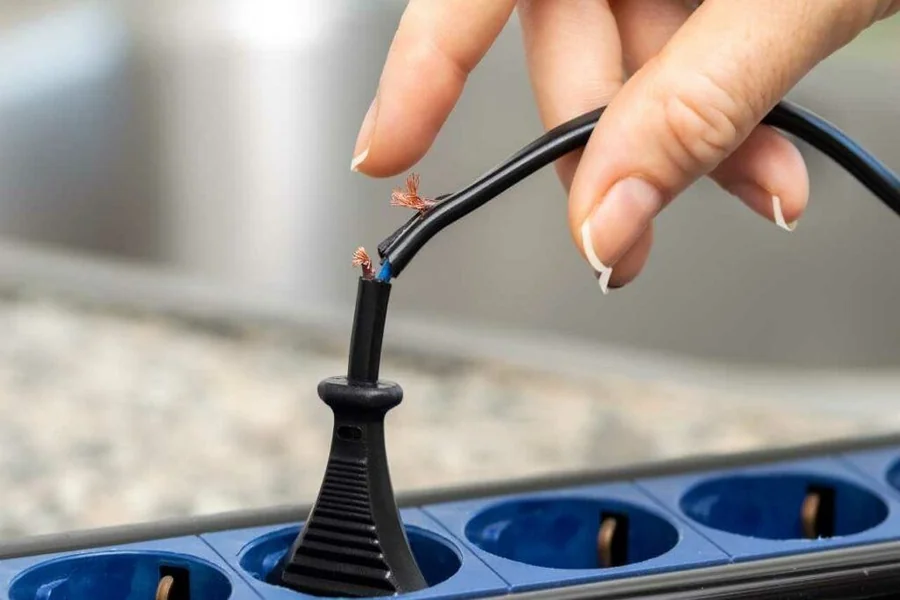

Electricity powers our daily lives, from lighting our homes to running our workplaces and powering entertainment. Yet despite its usefulness, electricity can also be extremely dangerous. Electric shock injuries occur when current passes through the body, potentially damaging tissues, disrupting heart rhythms, or even causing death. These incidents can happen anywhere—at home, on job sites, or in public spaces. Knowing how to respond quickly and safely is critical, as the right actions can prevent further harm and save lives.
Understanding Electric Shock
An electric shock occurs when a person comes into contact with a live electrical source. The severity depends on the voltage, the path the current takes through the body, and the duration of exposure. Even relatively low levels of current can cause painful burns, muscle contractions, or difficulty breathing, while high-voltage shocks may lead to cardiac arrest or fatal injuries. Children are particularly at risk due to curiosity, while adults may experience shocks during repairs, construction, or accidents involving faulty equipment.
Common Causes of Electric Shock
Electric shock incidents can stem from many sources, including:
- Exposed wiring or damaged cords.
- Improper use of electrical appliances.
- Contact with water while using electrical devices.
- Workplace hazards in construction or maintenance jobs.
- Lightning strikes during storms.
Understanding these risks helps households, schools, and workplaces put effective safety measures in place.
Immediate Response: Safety First
The first step in responding to electric shock is ensuring safety for both the victim and the responder. Do not touch the person directly if they are still in contact with the electrical source. Instead, turn off the power supply or use a non-conductive object, such as a wooden stick, to separate them from the current. Only when it is safe should you approach to provide first aid.
First Aid for Electric Shock
Once the person is free from the electrical source, assess their condition:
- Check responsiveness and breathing – If the person is unresponsive and not breathing, begin CPR immediately.
- Call emergency services – Professional medical attention is always necessary, as internal injuries may not be visible.
- Treat burns – Cover visible burns with a clean, dry cloth, avoiding ointments or creams.
- Keep the person still – Electric shock can cause muscle injuries or fractures from sudden contractions.
- Monitor vital signs – Stay with the person until medical professionals arrive.
The Role of CPR in Electric Shock Emergencies
Electric shock often disrupts the heart’s rhythm, leading to cardiac arrest. In such cases, CPR can maintain circulation until professional help arrives. Training ensures bystanders know how to perform chest compressions effectively and use an Automated External Defibrillator (AED) if available. Programs such as cpr and first aid training brampton provide structured instruction that equips individuals with the knowledge and confidence to respond decisively during these emergencies.
Preventing Electric Shock at Home
Prevention is always the best strategy. Families can reduce risks by covering outlets, repairing frayed cords, and avoiding overloading power strips. Using Ground Fault Circuit Interrupters (GFCIs) in kitchens and bathrooms further lowers risks by shutting off current when irregularities are detected. Parents should teach children about electrical hazards and keep appliances away from water sources. Regular inspections ensure the household remains a safe environment.
Workplace Safety and Regulations
Electric shock is a leading cause of workplace accidents, particularly in construction and maintenance industries. Employers are responsible for ensuring safe work environments through proper training, equipment checks, and compliance with safety regulations. Workers should wear appropriate protective gear, follow lockout/tagout procedures, and report hazards immediately. A culture of safety in the workplace reduces risks and saves lives.
Teaching Children About Electrical Safety
Children are naturally curious, which makes them especially vulnerable. Teaching them simple rules—such as not inserting objects into outlets, avoiding wet hands near appliances, and staying away from downed power lines—creates lifelong safety habits. Schools and community programs can reinforce these lessons with demonstrations and age-appropriate activities.
The Importance of Community Preparedness
Communities that promote electrical safety and first aid training are better prepared for emergencies. Public awareness campaigns, training sessions, and safety workshops help spread knowledge and reduce risks. When more people know how to respond to electric shock and cardiac arrest, survival chances increase dramatically.
Conclusion
Electric shock emergencies can be frightening and life-threatening, but quick, informed responses make all the difference. By prioritizing safety, removing the victim from the source, and administering first aid, bystanders can prevent further injury and even save lives. CPR plays a critical role when cardiac arrest occurs, and training ensures individuals are ready to act under pressure.
Preventing accidents through home safety practices, workplace regulations, and community education further reduces risks. While electricity is essential in modern life, it must be treated with respect. Awareness, prevention, and preparedness ensure that when accidents happen, families, workers, and communities are ready to respond safely and effectively.
