
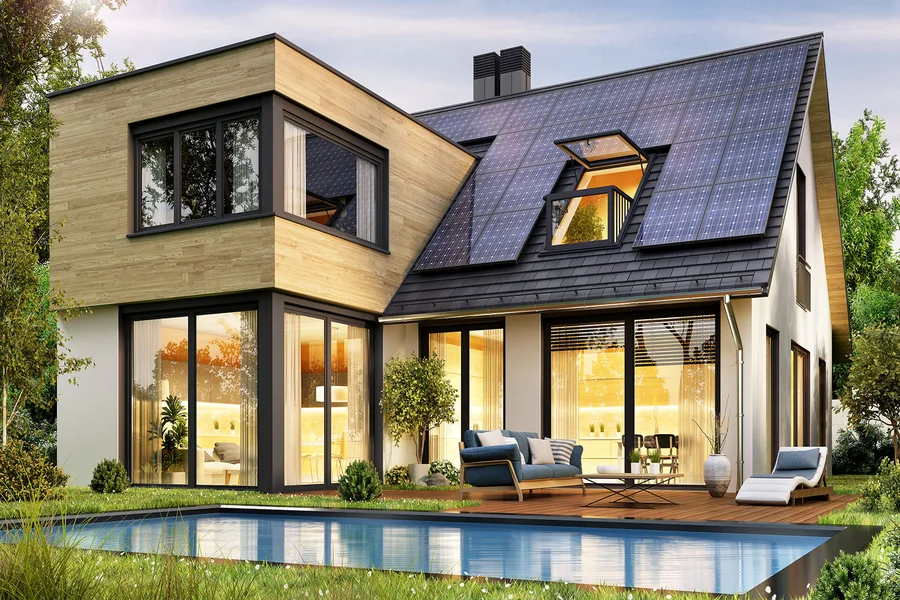
To build a home today is to do more than build a home. It’s all about advocating smart choices that safeguard our planet for future generations. Eco-homes prioritize waste reduction, energy conservation, and the use of materials that don’t harm the planet. This change is increasingly becoming the norm across the country. Whether designing from the ground up or renovating, knowing what really makes a home sustainable can help you make decisions that not only support your family but also the Earth.
Soaring concerns about climate change and the increase in energy costs have led an increasing number of us to search for greener ways of living. Natural homes reduce the impact on the environment and help you save money over time on utility bills and upkeep. Financing these projects can be simpler than you think — options like bank statement loans, described at From Denied to Approved: The Magic of Bank Statement Loans, make it possible to secure funding even if traditional loans aren’t an option. This helps more families turn their sustainable home dreams into reality.
What Makes a Home Eco-Friendly?
Making a home more environmentally friendly isn’t just a matter of adding solar panels to the roof or investing in a recycling bin. It’s a whole approach that accounts for how the house is built, what materials it is built with, and how energy and water are managed once it is built. The aim is to minimize the environmental impact in general, while achieving a green and healthy living environment.
First, there’s the energy-efficient factor. That’s insulation, windows, and doors that keep the home warm in winter and cool in summer using less energy. Energy-efficient appliances and lighting also serve to reduce electricity consumption. Smart thermostats and energy management systems are common in many eco-friendly homes that maximize efficiency. If you’re curious about how these practices might impact your monthly bills, you can check current Comstock electricity rates to compare options and savings.
Which brings us to our next point: Sustainable materials matter a lot. Reclaimed wood and recycled metal, bamboo, and other renewable sources lower the need for new raw materials and minimize waste. Some builders also refrain from toxic paints and finishes to ameliorate indoor air quality.
Another important factor is water saving. Water use can be cut dramatically using low-flow faucets, efficient toilets, and rainwater harvesting. Landscaping with native plants, which require less water to maintain, is also eco-friendly.
As you explore eco-friendly home upgrades—like passive solar panels, sustainably harvested timber, and low-VOC paints—don’t forget that going green isn’t just about what’s inside your walls; it’s also about smart resource management. If you’re downsizing, renovating, or temporarily reducing clutter during construction, consider using storage units Orangeville to hold items such as heirloom furniture, vintage light fixtures, or boxes of paperwork. With climate-controlled spaces and secure access, these units help you preserve valuable belongings while your sustainable upgrades take shape, ensuring both your home and your cherished items stay protected and eco-conscious.
Have you installed any renewable energy? These systems enable homeowners to produce clean energy right on their properties, resulting in even lower carbon dioxide emissions.
In conclusion, an eco-friendly house is the result of smart design, intelligent use of technology, and sustainable materials. In combination, these features reduce the environmental impact and create better living environments for people.
Why We Should Be Building Green Homes in America
The home green movement is not just a boutique concept anymore — there are real benefits that look attractive to a lot of Americans. Among the largest benefits are reduced utility bills. These homes also make less use of electricity, heating, and cooling because of using energy-saving appliances and proper insulation. Over time, this can translate to hundreds, even thousands of dollars in savings.
Increased indoor air quality is another significant benefit. Numerous green homes eschew the noxious chemicals used in many traditional building and finishing materials. This cuts down on allergens and toxins so families can breathe a little easier and be a little healthier.
There is also financial value in sustainability. There are more buyers wanting energy-efficient and environmentally responsible homes that can make these easier to sell and possibly at a premium in price in the market. In some instances, lenders offer more favorable mortgage terms for green-certified homes.
Environmentally friendly houses also contribute to the larger objective of curbing greenhouse gas emissions, a constant source of concern in the US. Green construction also helps slow climate change because it uses less energy — on average, green buildings use 26 percent less — and creates fewer polluting effects. It also lowers water usage and waste, which can help to protect local ecosystems.
For American households, green homes frequently turn out to be more comfortable, as well. Stable temperatures, less outside noise, and natural light can all contribute to a happier home. And many people feel good that they are making the kinds of choices that are good for the planet.
In the end, the financial, physical health, and environmental benefits make green homes a wise investment for today’s homeowner.
How to Design an Earth-Friendly Home
The idea of constructing an eco-friendly home probably comes off as extra complicated and expensive than it is. With proper steps, the process becomes simple and achievable. Here’s a quick guide to get you going:
- Be Smart in How You Design Your Home. Focus on a compact footprint. A smaller, well-designed design will use less material and be more energy-efficient. Orient your house to take advantage of natural light and shade. This helps to minimize the necessity for extra heating and cooling.
- Quality of Insulation and Airtightness is Worth the Investment. A home with good insulation stays warm in winter and cool in summer. Airtight design to eliminate draughts and heat loss. Opt for double or triple-pane windows and insulated doors as a way to maintain temperatures inside the home.
- Choose Sustainable Building Materials. Incorporate materials like reclaimed wood, bamboo countertops, and recycled steel. These alternatives are more environmentally friendly and are typically more durable. Opt for paints, stains, and finishes that are free of toxic chemicals to keep indoor air clean.
- Install Water-Saving Fixtures. Replace flush toilets, faucets, and showerheads with low-flow versions to conserve water. Consider installing rainwater collection systems for irrigating your garden and other non-potable uses.
- Add in Some Renewable Power. Solar panels are one of the most popular and efficient ways of producing clean energy directly on-site. Based on where you live and your budget, you may even want to consider geothermal heating or small wind turbines. Making that with energy efficiency has the most positive difference.
- Get a Smart Home System. Programmable thermostats, energy monitors, and LED lights can all help you manage your energy usage without sacrificing comfort or convenience.
- Use the Incentives. Look for local and federal initiatives that provide tax credits, rebates, and grants for green construction and renewable energy projects. These incentives may help defray initial costs.
With these steps, you can construct a home that will save you money, save resources, and deliver a healthy and replenishing space for your family.
