
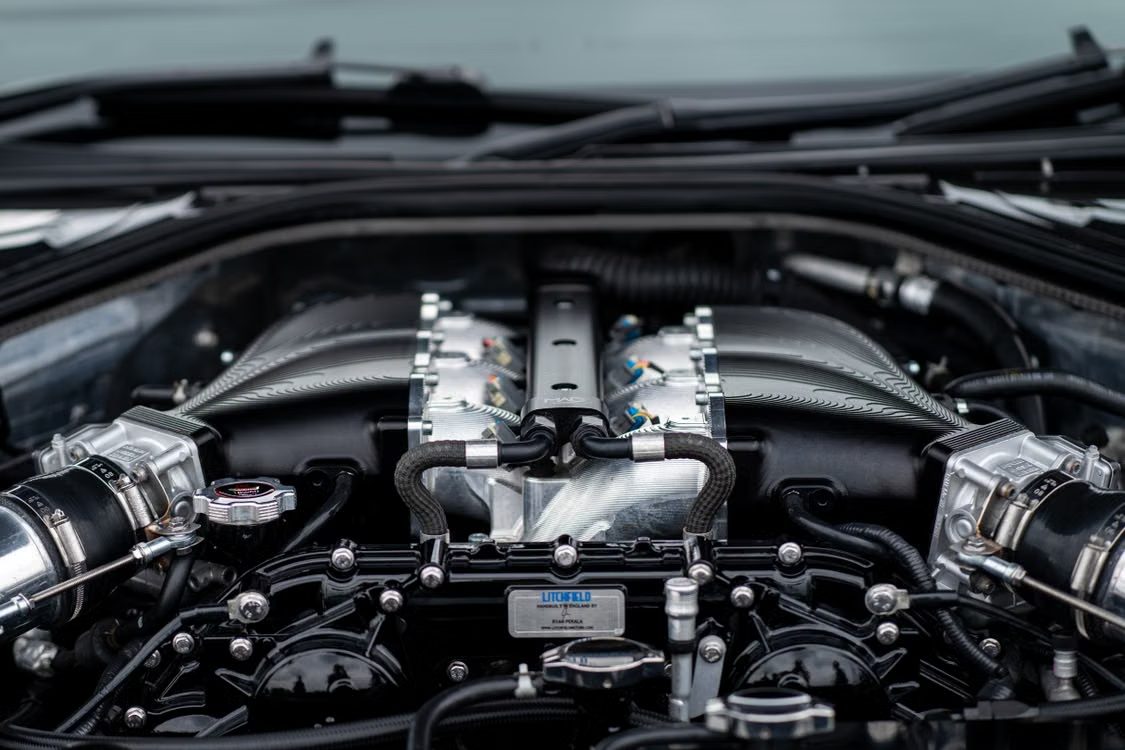

The modern-day turbo engine has been built to produce great power, efficiency, and responsiveness without the use of big engines that were earlier thought necessary for good performance. The small size of turbo engines and their high pressures have made regular maintenance crucial. With sensible maintenance, owners of turbo engines can save on some essential parts of the engine and get great mileage. There are only a few things that need to be done.
Following a Consistent Maintenance Schedule
Maintenance allows for the best chance of having a durable engine for several years. It is necessary to change the oil, replace filters, check the spark plugs, and examine the cooling system according to the instructions of the vehicle manufacturer. A turbocharged engine can be very vulnerable to poor maintenance, as there are elements like the turbocharger that work in harsh conditions. It is possible to let minor problems turn into serious mechanical issues because of the lack of maintenance. In addition, keeping maintenance records will help to notice repeating problems and not to forget about any of the maintenance jobs.
Using Appropriate Lubrication
The use of lubricants is very important in ensuring protection of engine parts and even the turbocharger. Turbochargers operate at very high speeds; hence, lubricants become very important. It would be important for drivers to refer to the car’s manual and adhere to the manufacturer’s viscosity and specification requirements instead of choosing the oil based on price or popularity. When replacing engine oil, purchase the best lubricant, such as a premium 5W40 engine oil, to provide dependable protection when that viscosity matches the manufacturer’s requirements. Lubricant ensures that there is a reduction of friction and also helps with heat dissipation and transfer of contaminants to the oil filter. It is also equally important to ensure that there is enough oil.
Giving the Turbocharger Time to Warm Up
Starting an engine when cold puts extra strain on it due to the fact that it takes time for the lubricant to distribute throughout the engine. Drivers should ensure that the car reaches an appropriate operating temperature by accelerating in a gentle manner instead of putting instant demands on the engine in terms of performance. This helps ensure that the lubricant gets distributed throughout all the necessary parts while temperatures get stabilized slowly. The strain placed on the engine due to immediate hard acceleration could be greater than what the engine requires at its current operating temperature. Warm-up does not require prolonged idling; moderate driving under light loads is generally a more practical approach for bringing modern engines up to temperature.
Avoiding Excessive Heat and Thermal Stress
One of the issues that plague turbochargers is heat. Being exposed to high temperatures for a long time may influence the quality of oil, seals, hoses, and other parts. Having a functional cooling system is crucial to control the operating temperature; thus, coolant fluid, hoses, radiators, and other components should be inspected regularly. Moreover, abnormal temperature indications should be taken seriously, and drivers should not keep on driving as if everything was normal. For example, after high-demand driving like towing or driving at high speeds, one should drive slowly for some time to lower temperatures.
Replacing Filters and Inspecting the Intake System
It is necessary to have clean air for combustion, especially in a turbocharged engine where more air will be forced into the cylinders. When there is a blockage in the air filter, it may hinder the air from reaching the engine, which might impact its operation negatively. During servicing, one should check the intake hose, clamps, intercooler, and all other associated components. Even the smallest leakages may prevent the air from entering the engine, as they hinder the generation of boost pressure. Changing of worn-out air filters after some time will ensure the right amount of air and less amount of dust entering the engine.
Driving Responsibly and Addressing Problems Early
The way a vehicle is driven may also impact how long an engine lives. Frequent harsh acceleration, increased load on the engine, and constant running at high speeds may cause increased temperature and stress. This does not imply that turbocharged engines must be driven slowly, but that performance must be exercised wisely when the engine is sufficiently warmed up. It is important not to disregard any warning lights, odd sounds, smoke, fluid leakage, or performance change. A fault left undiagnosed may develop into a more serious problem. Proper driving together with repairs enables modern turbo engines to operate as designed.
Mileage can be attained by a turbo engine as long as there is good maintenance and good driving skills. The complexity of a turbo engine might make it difficult to maintain the turbo system, but most of the time, it is all about practicing discipline in maintaining the system. This way, drivers will have efficient, responsive, and reliable turbo engines for long miles.
