
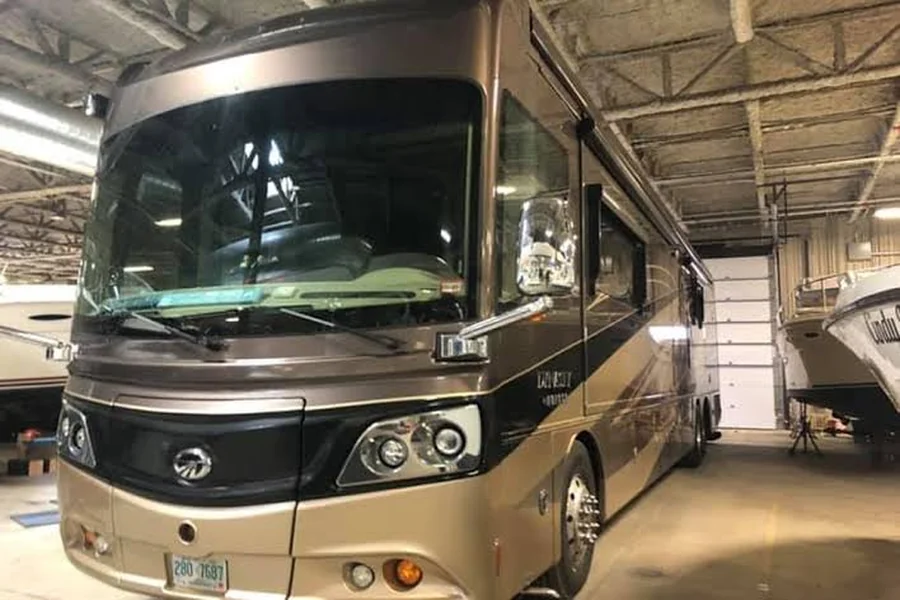

In Warsaw, Missouri, seasonal storage is part of enjoying life around Truman Reservoir and the surrounding Ozarks. Whether a boat is waiting for the next fishing trip, an RV is parked between campground weekends, or a classic car is resting through the winter, a thoughtful storage routine protects the time and money invested in it. Choosing a secure Warsaw marina storage option can also make preparation and return-to-use inspections more manageable.
Why Seasonal Storage in Warsaw, Missouri Requires More Than Parking
A vehicle that sits for weeks or months can develop problems even when it looks fine from the outside. Batteries slowly lose charge, tires may lose pressure, moisture can collect in cabins and compartments, and food residue can attract pests. Sun exposure, rain, freezing temperatures, leaf buildup, and wind-driven debris all create different concerns for owners in the Warsaw area.
Short-term storage may only require a clean, secure parking spot and periodic checks. Longer storage calls for more preparation, especially for water systems, fuel, batteries, tires, and interior moisture. Taking care of those details before parking can reduce unwelcome surprises when it is time to head back to the lake or highway.
Step One: Match the Storage Plan to the Vehicle
A fishing boat on a trailer, a motorhome, a daily driver, and a restored classic car do not need identical care. Consider the vehicle’s size, condition, value, expected storage period, and how often you may need access. Also, review the storage facility’s rules for electrical hookups, covers, maintenance work, fuel, and access hours.
Owners comparing local services in Warsaw, Missouri, can talk with boat dealers in Missouri about storage-related needs such as trailer inspections, routine maintenance, and preparing a vessel for the next boating season. The best choice may be enclosed storage, covered storage, or a well-prepared outdoor space, depending on the vehicle and level of weather exposure.
Step Two: Clean Everything Before Parking
Dirt, salt, food, leaves, standing water, and damp fabrics should not remain in a stored vehicle. Cleaning is not only about appearance. It helps reveal cracked seals, chipped finishes, loose hardware, and areas where water could enter.
For Boats
- Wash the hull, deck, seating, compartments, trailer, and any equipment exposed to lake water or road grime.
- Remove bait, food, wet life jackets, towels, and fishing gear that could hold moisture or odor.
- Drain the bilge, livewell, baitwell, and other areas designed to hold water.
- Let cushions, carpet, flooring, and storage compartments dry before covering the boat.
For RVs and Cars
- Remove food, drinks, trash, scented items, and anything that could freeze or leak.
- Vacuum upholstery, cabinets, cargo areas, and floor mats to discourage pests and odors.
- Wash exterior surfaces, including the roof of an RV, so leaves and debris are not left against seals or drainage points.
- Dry the interior before closing it up or installing a cover.
Step Three: Protect Engines, Fuel, and Fluids
Follow the manufacturer’s instructions before treating fuel, changing oil, disconnecting a battery, or draining a system. Engine designs vary, and procedures for an outboard, an inboard, a diesel RV, a hybrid vehicle, or a gasoline car may not be interchangeable.
- Review whether an oil change is due before long storage.
- Use only a fuel stabilizer approved for the engine and fuel type.
- Check coolant, brake fluid, gear oil, and other service fluids as directed.
- Drain or winterize water systems that could freeze.
- Address leaks, damaged hoses, or loose clamps before storage rather than waiting until launch day.
Boat-Specific Storage Tasks Around Truman Reservoir
Boats stored after a Warsaw season need careful attention to water management. Check the bilge, engine cooling system, freshwater equipment, drain plug area, propeller, anodes, belts, hoses, and clamps. Trailer tires, wheel bearings, lights, winch straps, safety chains, and tie-downs also deserve an inspection because the trailer is essential to a safe return trip.
Remove portable electronics, valuables, and safety equipment when practical. A fitted cover should shed precipitation while allowing ventilation, rather than trapping moisture beneath loose plastic. Before launching again, review basic boating safety principles, confirm navigation lights work, and verify that required safety gear is aboard.
RV and Car Storage Essentials
For RVs, empty and clean holding tanks as per the manufacturer’s instructions, winterize plumbing in freezing conditions, turn off propane as needed, and inspect roof sealant, windows, vents, awnings, and slide-out seals. Protect tires from prolonged sunlight and check inflation before trips. For cars and classic vehicles, consult the owner’s manual for fuel levels, stabilizer, oil, battery, and parking brake procedures. Use a breathable fitted cover rather than loose plastic to prevent condensation. Moisture-control products can help inside dry, enclosed vehicles when used correctly.
Battery, Moisture, and Pest Protection
Batteries can discharge when unused. Turn off accessories, check the terminals for corrosion, and use a compatible battery maintainer if allowed and safe to do so. Don’t assume disconnecting a battery is suitable for all vehicles, especially those with electronic systems. Keep food and scented products out of compartments. Check for roof leaks, damaged weatherstripping, cracked vents, and water spots. Photos before storage document the condition. Regular inspections catch storm damage, pests, or loose covers early.
Covered, Enclosed, or Outdoor Storage?
- Outdoor storage: Often the simplest option, but requires robust protection from sun, precipitation, wind, and debris.
- Covered storage: Reduces direct exposure to sun and rain while retaining airflow.
- Enclosed storage: Offers greater separation from weather, dust, wildlife, and casual access.
- Climate-controlled storage: Can be worth considering for high-value vehicles or items especially sensitive to humidity changes.
A Simple Pre-Storage and Return Checklist
- Read the owner’s manual and note vehicle-specific requirements.
- Wash, dry, and remove food, trash, gear, and valuables.
- Prepare fuel, fluids, water systems, tires, and batteries.
- Inspect seals, drains, covers, trailer parts, and security measures.
- Record the storage date and schedule a future inspection.
- Before use, check for leaks, pests, corrosion, flat tires, and storm damage.
- Test lights, brakes, steering, electronics, trailer connections, and safety equipment before traveling.
Final Thoughts
Seasonal storage in Warsaw, Missouri, is easiest when it is treated as regular vehicle care rather than a last-minute chore. A clean interior, protected engine, healthy battery, dry compartments, and dependable cover help boats, RVs, and cars remain ready for the next Missouri adventure. A simple checklist can turn spring launch day or the first road trip of the season into a calmer, safer experience.
