
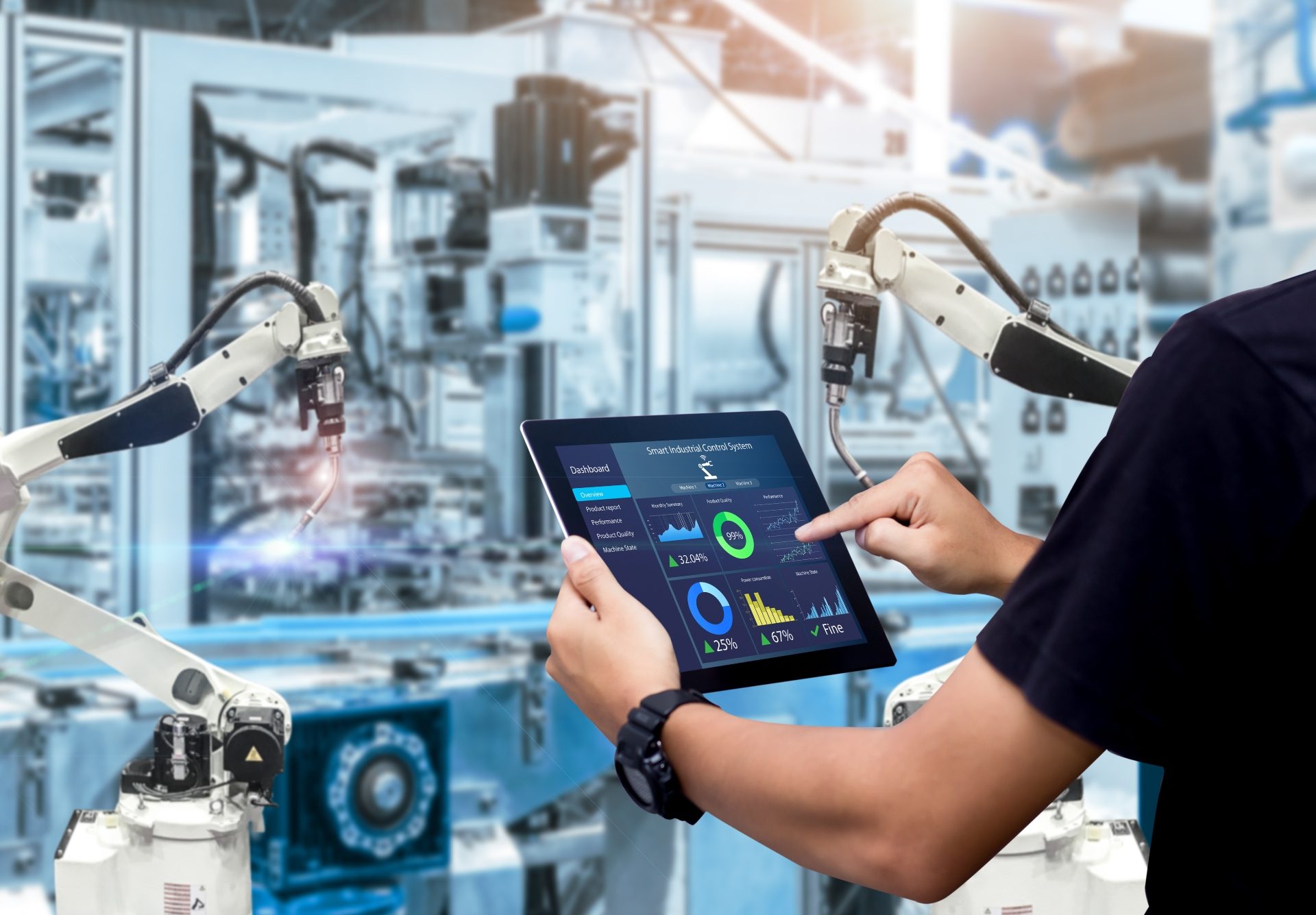

Modern manufacturing runs on more sensors, more automated equipment, and more real time data than at any point in the industry’s history. Much of the conversation around this shift focuses on the technology itself, but the more consequential change is happening in how plants are staffed, trained, and organized to actually use that technology. A factory floor filled with smart equipment still depends on people who know how to interpret what it is telling them.
Skilled Labor Shortages Meet a More Technical Job Description
Manufacturing has faced a persistent skilled labor shortage for years, but the nature of the skills in shortest supply has shifted. The job of maintaining and operating equipment on a modern production floor increasingly requires comfort with data systems, network basics, and digital troubleshooting, on top of the mechanical and process knowledge that has always mattered.
This shift has made hiring more difficult in a labor market that was already tight. Candidates who combine traditional manufacturing experience with digital fluency are harder to find than either skill set alone, and plants are responding in different ways. Some are investing heavily in cross-training existing staff, betting that experienced employees can absorb new digital skills faster than new hires can absorb plant-floor experience. Others are restructuring roles entirely, separating equipment operation from data interpretation so that fewer people need to master both.
Downtime Costs More When Systems Are More Connected
As production lines become more interconnected, a failure in one system can ripple into others faster than it would in a less integrated setup. A single equipment malfunction or network interruption can cascade into a broader disruption, particularly on lines where automated systems depend on continuous data flow to coordinate their actions.
This raises the stakes for maintenance planning and incident response. Plants that once could tolerate isolated equipment issues without major disruption now need response protocols that account for how interconnected systems affect each other. Building this kind of resilience takes deliberate planning, since the interdependencies between systems are not always obvious until something actually goes wrong.
Training Programs Need to Keep Pace With Equipment Upgrades
New equipment on a production floor typically arrives with training documentation and vendor-led onboarding sessions, but that initial training often fades as staff turnover occurs or as equipment ages and gets modified over time. A plant that trained its team thoroughly when a new system was installed can lose much of that institutional knowledge within a few years if training is treated as a one-time event rather than an ongoing responsibility.
Plants that build recurring training into their operational calendar, rather than relying solely on the initial rollout, tend to maintain a more consistent level of competence across their workforce. This becomes especially important as connectivity solutions manufacturing environments rely on grow more complex, since a gap in staff understanding of how these systems function can turn a minor issue into an extended production delay.
Supervisors Are Becoming Data Interpreters, Not Just Floor Managers
The role of a production supervisor has expanded in many facilities to include interpreting dashboards, alerts, and performance data that did not exist in earlier generations of manufacturing management. This is a meaningful shift in job function, and not every experienced supervisor arrived in their role with this kind of training already in place.
Facilities that invest in developing this capability among their existing supervisory staff, rather than assuming it will develop naturally on the job, tend to see faster identification of production issues and more informed decision-making on the floor. This investment also helps retain experienced supervisors who might otherwise feel increasingly out of step with the technical demands of their own role.
Cross-Generational Knowledge Transfer Has Become More Urgent
Manufacturing workforces often span multiple generations, with senior staff carrying decades of process knowledge and younger staff bringing more natural comfort with digital tools. When these two forms of expertise stay siloed, rather than actively combined, plants lose the benefit of both. Senior staff may struggle to fully use new digital systems, while younger staff may lack the deeper process knowledge that prevents costly mistakes.
Facilities that build structured mentorship and knowledge-sharing programs between these groups tend to close this gap more effectively than those that leave the transfer of knowledge to informal, unstructured interactions. This kind of deliberate pairing
accelerates the spread of both technical fluency and institutional process knowledge across the workforce.
Building a Workforce That Can Grow With the Technology
The plants managing this transition most successfully are treating workforce development as inseparable from technology investment, rather than as a secondary concern to address after new systems are already installed. This means budgeting time and resources for training with the same seriousness applied to equipment purchases, since a plant’s most advanced systems only deliver value if the people running them understand how to use that value fully.
This kind of workforce investment does not produce immediate, visible results the way a new piece of equipment might. Its payoff shows up gradually, in fewer errors, faster problem resolution, and a workforce that can adapt as the next wave of technology arrives, rather than falling further behind with each new upgrade.
