
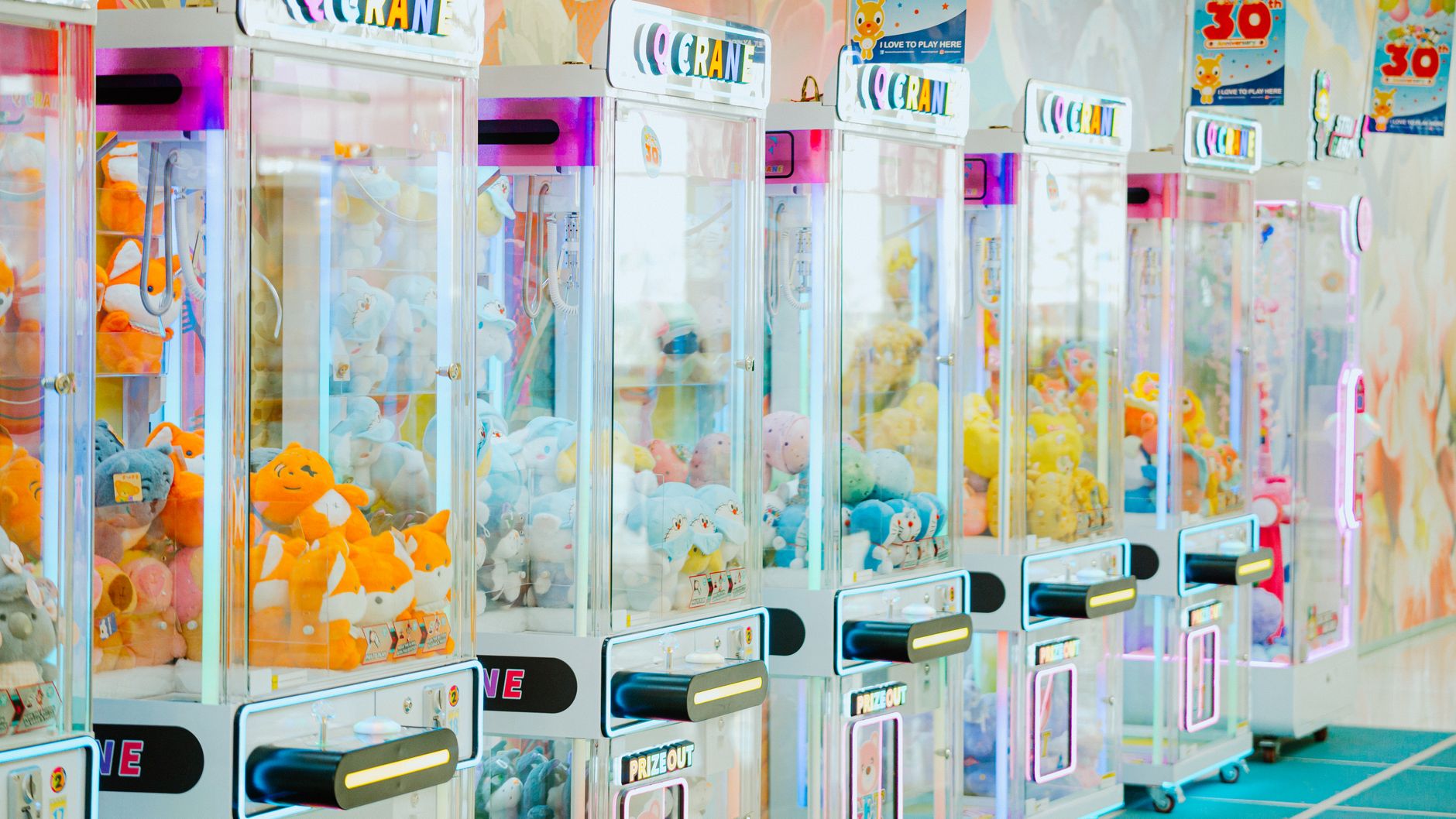

A claw crane machine looks simple, but a profitable side business depends on more than placing one in a busy location. You must assess customer traffic, prize costs, servicing, payment arrangements, and local requirements before spending money. This guide explains where the model works, what affects returns, and how to test the idea with less financial risk.
Start With the Location
The location usually matters more than the cabinet itself. A machine placed near families, waiting areas, or leisure activities receives more attention than one hidden beside a rarely used entrance. Shopping centers, family restaurants, cinemas, bowling venues, and entertainment centers each attract different audiences, so observe the site before negotiating.
An affordable claw crane machine for sale today can suit a first placement when its size, prize capacity, payment system, and intended setting match the venue. Ask the venue owner how customers move through the space, which areas stay busy, and whether another amusement machine already performs well. Check lighting, floor space, electrical access, security, and visibility. A suitable site should allow people to stop without blocking walkways or creating a safety concern.
Before committing, agree on the commercial arrangement in writing. Clarify who collects payments, who supplies prizes, who handles damage, and how often the machine receives attention. A revenue share, fixed placement fee, or other arrangement changes the amount required for the business to work.
Calculate the Full Cost
The purchase price is only one part of the investment. Your budget should include transport, installation, prizes, payment equipment, repairs, insurance, cleaning materials, and any venue fee. A machine that appears affordable can become expensive if it needs frequent visits or sits far from your home.
Review machines carefully before choosing one. The inspected collection includes several claw and crane models, with availability varying by product. Compare the machine’s practical fit rather than choosing by appearance alone.
Use a simple operating forecast before buying. Estimate expected plays, prize cost per play, venue payments, travel, and maintenance. Then calculate how much remains after those expenses. If the result depends on unusually high traffic or constant personal attention, the placement carries too much risk for a side business.
Choose Prizes That Match the Audience
Prize selection affects both participation and repeat play. Children may respond to plush toys, while older customers may prefer novelty items or themed products. The prize window should look full without making the machine difficult to play. A tidy, varied display also helps the cabinet appear active and well maintained.
Keep prize costs under control by recording what moves and what does not. Replace slow items instead of allowing them to occupy the most visible positions for months. Ask the venue about its audience, then select prizes that suit customer age, interests, and spending habits.
A practical prize plan includes:
- Tracking prize purchases and refill dates.
- Keeping backup stock in a clean, secure place.
- Removing damaged, faded, or unpopular items.
- Checking that prizes fit the machine and claw mechanism.
- Adjusting the display after observing customer behavior.
The goal is a repeatable refill routine, not a display that changes without a reason.
Plan the Weekly Work
A claw crane machine still needs regular management. Schedule visits to empty cash boxes or review payment records, refill prizes, clean the glass, inspect controls, and check for faults. A machine that looks dirty, empty, or unreliable quickly loses customer confidence.
Record each visit and note the machine’s condition. A basic log can show which locations need more frequent refills, which prizes disappear quickly, and when a fault first appeared. Those records help you decide whether a placement deserves continued time and expense.
Check the Business Before Buying
Local rules can affect permits, taxes, insurance, payment methods, and placement agreements. Requirements vary by state and municipality, so check with the relevant local authorities and the venue before installation. Also confirm whether the machine needs a specific electrical connection or additional protection in its proposed location.
Start with one machine if you have limited experience. This approach lets you test the venue, customer response, refill workload, and real operating costs before expanding. Review the results after a defined trial period, then keep, move, or sell the machine based on records rather than optimism.
A smart purchase also leaves room for unexpected expenses. Do not commit every available dollar to the cabinet and initial prizes. Retain cash for transport, repairs, replacement stock, and a slow opening period. That reserve gives the business time to prove itself without creating pressure elsewhere.
Conclusion
Owning a claw crane machine is a smart side business investment only when the placement, numbers, and daily workload support it. Begin by studying a venue, documenting every cost, and confirming its operating terms. Choose one machine, track plays and expenses, and review the results before adding another. A measured trial turns an appealing idea into a decision based on evidence.
