
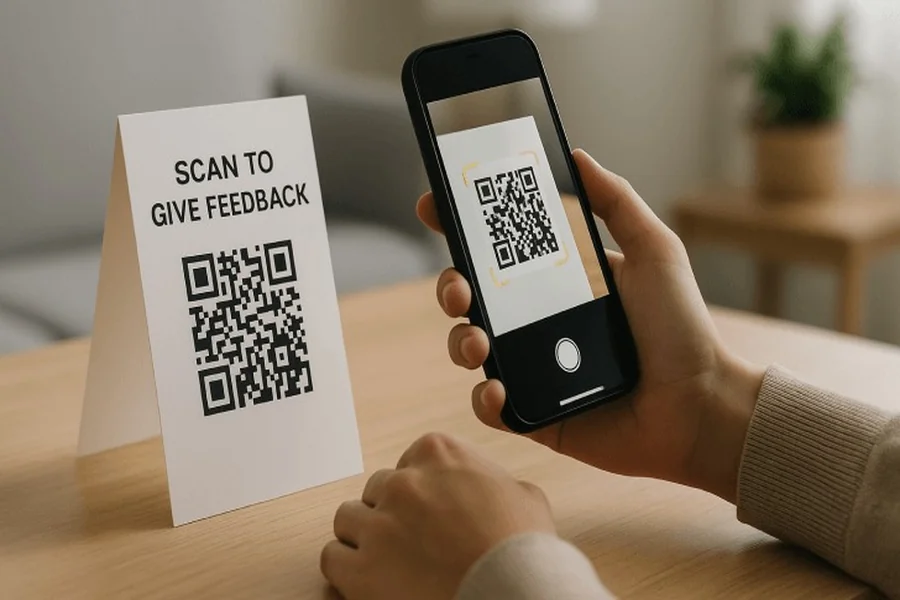

In modern retail and services, the battle for customer attention is harder than ever. With endless options just a click away, “habitual” shopping is being replaced by “intentional” browsing. To combat this churn, businesses are turning back to a classic concept, reimagined through modern technology: the QR code loyalty card integrated with sophisticated customer loyalty software.
This combination is not just a digital version of a paper punch card; it is a high-speed data bridge between the physical storefront and a brand’s digital ecosystem. Here is how leveraging this technology, like the solutions offered by NeoDay, can fundamentally disrupt your retention metrics.
The frictionless bridge: why QR codes?
The biggest enemy of any loyalty program is friction. If a customer has to download a bulky app, fill out a ten-field form, or remember a plastic card at the checkout, they simply won’t do it. QR codes eliminate these barriers. A simple scan at the Point of Sale (POS) or on a product package instantly identifies the user. For the customer, it’s a split-second action. For the business, it’s the moment a “ghost shopper” becomes a “known customer.”
By using dynamic QR codes linked to centralized loyalty software, brands can:
- Instant Onboarding: Allow customers to join the program in seconds through their smartphone’s native camera.
- Contactless Interaction: Meet the modern demand for hygiene and speed.
- Universal Accessibility: Work across iOS and Android devices without requiring immediate app installation (using mobile web passes).
Data-driven retention: Beyond the scan
A QR code is the “key,” but the loyalty software is the “engine.” When a customer scans their code, the software doesn’t just add a point; it captures a data point.
Advanced platforms, such as those powered by NeoD.ai, analyze these scans in real-time to build a 360-degree view of the customer. If the software notices a customer usually visits on Tuesdays but hasn’t appeared in three weeks, it can trigger an automated “We miss you” push notification with a personalized discount. This predictive retention is the difference between a static program and a growth engine.
One of the standout features of modern loyalty software is gamification. Static “buy 10, get 1 free” models are predictable and, frankly, a bit boring. Today’s consumers, especially Gen Z and Millennials, crave achievements and surprises.
Rapid deployment
Traditionally, integrating a QR-based loyalty system into an existing POS and ERP infrastructure was a nightmare that took six to twelve months. In today’s market, that is a lifetime of lost revenue.
Modern, API-based software like NeoDay has disrupted this timeline. With a 10-week implementation goal, businesses can migrate existing data and launch a fully functional, IT-independent frontend. This “Cut IT Dependency” approach allows marketing teams to launch short-term seasonal campaigns (like an Advent Calendar or a Summer Sale) in days, rather than waiting for a developer’s sprint cycle.
The future is scannable
The combination of QR code loyalty cards and intelligent software is the most effective way to close the loop between offline behavior and online insights. It turns every transaction into a conversation, providing the business with the data needed to personalize rewards and the customer with a seamless, rewarding experience.
By reducing friction at the start and adding value through gamification and AI-driven personalization, you don’t just “track” loyalty, you build it.
