
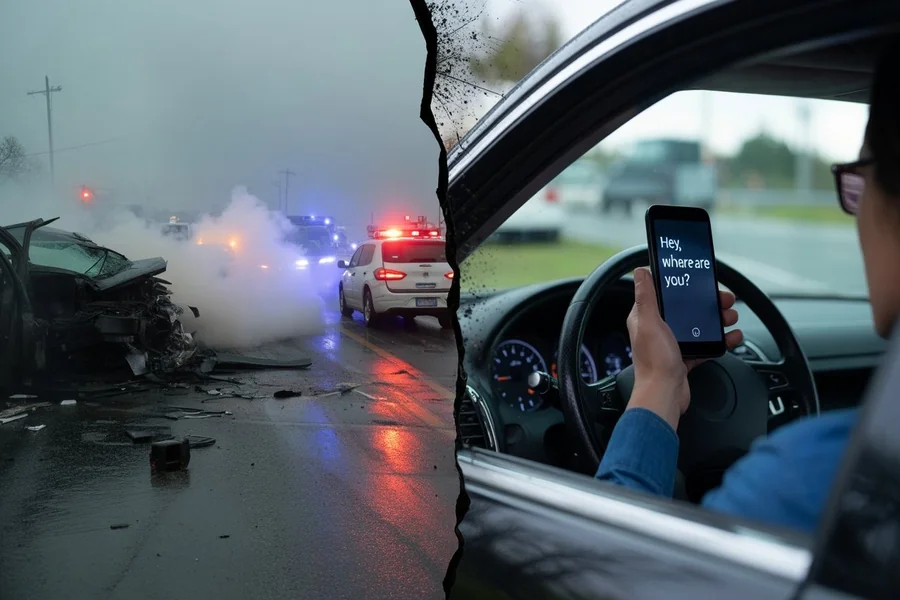

A new nationwide analysis from Texas Law Dog lays out one of the clearest pictures yet of America’s hit‑and‑run crisis and the numbers show a problem that is not only widespread, but worsening. The study examines five years of crash data, revealing where drivers are most likely to flee, who is most at risk, and which behaviors are fueling the deadliest outcomes.
Across the country, hit‑and‑run crashes now account for 1 in 5 fatal incidents, and the trend line is moving in the wrong direction. Pedestrians, young adults, and residents of high‑traffic states face the greatest danger, while speeding, distraction, and driving without a license emerge as major contributors.
The findings are stark, and they raise urgent questions about enforcement, road design, and driver accountability.
A Growing National Crisis
Between 2019 and 2023, the U.S. recorded:
- Nearly 4 million hit‑and‑run crashes
- 13,001 deaths
- 1,925 pedestrian deaths in 2022 alone — the highest in the dataset
- 2,895 fatal hit‑and‑runs in 2022, the deadliest year on record
Hit‑and‑runs now make up:
- 11% of all serious crashes
- 20% of fatal crashes
- 25% of pedestrian deaths, up from 20% just a decade ago
The seasonal pattern is also striking. September and October tied for the most fatal hit‑and‑runs, each with 280 deaths, suggesting that fall months may carry heightened risk.
The States With the Most Hit‑and‑Run Fatalities
The study shows that the states with the largest populations and busiest road networks also see the highest number of fatal hit‑and‑runs.
Top 10 States for Fatal Hit‑and‑Runs (2019–2023)
| Rank | State | Fatalities |
| 1 | California | 2,178 |
| 2 | Florida | 1,260 |
| 3 | Texas | 973 |
| 4 | Illinois | 496 |
| 5 | Georgia | 462 |
| 6 | New York | 459 |
| 7 | Tennessee | 444 |
| 8 | Arizona | 439 |
| 9 | North Carolina | 410 |
| 10 | Ohio | 363 |
California’s total is more than double that of any other state, underscoring the scale of the problem in the nation’s most populous region.
At the opposite end of the spectrum, rural states with smaller populations recorded far fewer fatal hit‑and‑runs.
States With the Lowest Fatality Counts
| State | Fatalities |
| Maine | 4 |
| New Hampshire | 6 |
| Vermont | 8 |
| Wyoming | 8 |
| North Dakota | 13 |
Pedestrians Bear the Brunt
Pedestrians are disproportionately affected, accounting for 8,442 of the deaths in the study period.
States With the Most Pedestrian Hit‑and‑Run Fatalities
| State | Fatalities |
| California | 1,485 |
| Texas | 973 |
| Florida | 749 |
| Georgia | 332 |
| New York | 309 |
States With the Fewest Pedestrian Fatalities
| State | Fatalities |
| Maine | 3 |
| New Hampshire | 4 |
| Vermont | 7 |
| Wyoming | 8 |
| Idaho | 9 |
The concentration of pedestrian deaths in large, urbanized states suggests that walkability, traffic density, and road design all play a role in the risk landscape.
Speeding: The Most Common Deadly Factor
Speeding was the leading contributing factor in fatal hit‑and‑runs, responsible for 2,506 deaths.
Speeding‑Related Fatal Hit‑and‑Runs
| State | Fatalities |
| California | 597 |
| Texas | 355 |
| Illinois | 166 |
| New York | 113 |
| Arizona | 82 |
Vermont recorded just 1 speeding‑related hit‑and‑run fatality — the lowest in the country.
Distracted Driving: Texas Tops the List
Distracted driving contributed to 1,019 fatal hit‑and‑runs nationwide.
Top States for Distracted‑Driving Hit‑and‑Run Fatalities
| Rank | State | Fatalities |
| 1 | Texas | 165 |
| 2 | Illinois | 129 |
| 3 | New Mexico | 74 |
| 4 | New York | 70 |
| 5 | Florida | 69 |
Ten states recorded only one distracted‑driving hit‑and‑run fatality, highlighting a wide disparity in driver behavior and enforcement.
Impaired Drivers: A Persistent Threat
Impaired driving caused 733 fatal hit‑and‑runs during the study period.
States With the Most Impaired‑Driving Hit‑and‑Run Fatalities
| State | Fatalities |
| California | 184 |
| Texas | 101 |
| Florida | 41 |
| North Carolina | 33 |
| New York | 32 |
Seven states recorded just one impaired‑driving hit‑and‑run fatality, suggesting that alcohol‑ and drug‑related fleeing behavior is heavily concentrated in certain regions.
Uninsured and Unlicensed Drivers: A Hidden Driver of Fleeing Behavior
One of the most revealing aspects of the study is the role of drivers who should not have been on the road in the first place.
Uninsured Drivers
Uninsured drivers were responsible for 181 fatal hit‑and‑runs.
| State | Fatalities |
| Illinois | 39 |
| Tennessee | 31 |
| Texas | 12 |
Unlicensed Drivers
Unlicensed drivers caused 1,481 fatal hit‑and‑runs — a number that stands out sharply.
| State | Fatalities |
| Texas | 319 |
| California | 235 |
| Florida | 104 |
Texas recorded the highest number of unlicensed‑driver hit‑and‑run fatalities in the country, raising questions about enforcement gaps and repeat‑offender risks.
Police Pursuits: A Small but Significant Share
Across the five‑year period, 190 fatal hit‑and‑runs involved a police pursuit.
- California: 38
- Texas: 32
- Illinois: 16
While these numbers represent a small share of total cases, they highlight the dangers that arise when drivers attempt to evade law enforcement.
Who Are the Victims?
Of the 10,853 cases with recorded demographic data:
- Men accounted for 8,379 deaths
- Women accounted for 2,474
Age Breakdown
| Age Group | Fatalities |
| 16–20 | 981 |
| 21–24 | 1,308 |
| 25–34 | 3,033 |
| 35–44 | 2,086 |
| 45–64 | 2,687 |
| 65+ | 758 |
Men aged 25–34 were the single largest demographic group, with 2,336 deaths. Texas mirrored this pattern, recording 399 fatalities in the same age range.
A Crisis Without a Single Cause
The data makes one thing clear: hit‑and‑runs are not driven by a single behavior or demographic. They occur in dense cities and rural towns, on highways and neighborhood streets, and involve drivers who are speeding, distracted, impaired, uninsured, or unlicensed.
This study from Texas Law Dog offers one of the most comprehensive looks at the issue to date, and the numbers show a crisis that demands attention from policymakers, law enforcement, and communities alike.