

Most of us spend hours every day sitting in front of a screen. We look down at our phones for long periods. We drive in heavy traffic with our shoulders hunched. Over time, these habits change how we stand and sit. You may realize your shoulders are rolling forward. Your neck might lean too far out. This is what is regarded as slouching.
Slouching is not just about looking tired. It puts a lot of stress on your muscles and bones. Your body has a natural alignment. When you break that alignment, your muscles have to work much harder to keep you upright. This leads to pain in the neck, shoulders, and lower back.
A posture corrector is a simple tool designed to fix this. It is often called a posture corrector belt or a back brace. Let’s explore!
What Exactly is a Posture Corrector?
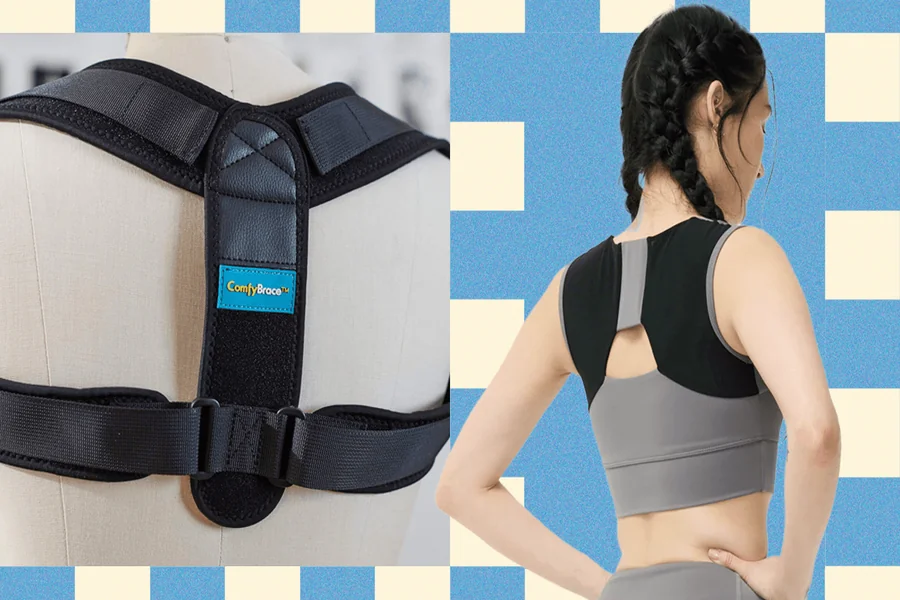
A posture corrector is a wearable device. It usually looks like a vest or a set of straps that go over your shoulders. It wraps around your upper back or waist. The main goal of a back brace is to provide back support. It holds your muscles in a way that prevents you from leaning forward.
There are different types of posture/back supports available. Some are thin and can be worn under clothes. Others are thicker and offer more rigid support. Choosing the correct one depends on how much help your back requires and where you plan to wear it.
How a Back Brace Works?
You might wonder how a simple piece of fabric and elastic can help. Here’s how a back or posture support works:
- Physical Alignment: It pulls the shoulders back into their natural state. This stops the chest muscles from tightening and the back muscles from overstretching.
- Muscle Memory: Wearing a posture corrector helps your body get used to the right position. You can tell when you’re slouching even after you take it off.
- Pain Reduction: When the spine is straight, there is less pressure on the nerves. This reduces the dull ache many people feel at the end of a workday.
- Core Engagement: Some braces also wrap around the waist. This reminds you to keep your core muscles tight, which supports the whole spine.
Signs You Need a Posture Corrector Belt
Not everyone needs a posture corrector. However, if you experience any type of discomfort below, it might be time to get one.
- Frequent Back Pain: If your back hurts after sitting for just thirty minutes, your posture is likely the cause.
- Rounded Shoulders: Stand sideways in front of a mirror. If your shoulders point forward rather than down, you are slouching.
- Headaches: Tension in the neck and shoulders often leads to tension headaches at the base of the skull.
- Fatigue: Slouching makes breathing harder. Your lungs cannot expand fully. This makes you feel tired because you get less oxygen.
Benefits of Using Back Support
Using a Posture Corrector belt brings many changes to your daily life. It is more than just sitting up straight. Here are the main benefits:
- Better Breathing: When you sit straight, your lungs have more room. You take deeper breaths. This improves your energy levels.
- Improved Digestion: Slouching compresses your internal organs. This can slow down digestion. Standing straight gives your stomach and intestines room to work.
- Reduced Injury Risk: Good posture keeps your joints in place. This prevents wear and tear on your ligaments.
Choosing the Right Support
When looking for a posture/back support, you will see many options. Here is what to look for:
- Material: It should be breathable. You do not want to sweat too much under the fabric.
- Adjustability: Look for Velcro straps. These allow you to change the tension as you get stronger.
- Padding: The straps should have padding under the armpits. If they do not, they will chafe your skin.
- Support Level: Decide if you need support for just the upper back or the full spine.
There are different levels of back support available on the market. Whether you need a light posture corrector belt for the office or a firm back brace for recovery after an injury, there is usually a design that fits.
Tip: Always get help from a healthcare expert. This will help you determine whether you should use a back/posture support, how long you should use it, and when to stop using it.
How to Wear a Posture Corrector Correctly?
You cannot just put on a posture corrector belt and leave it on all day. That is a mistake. Your muscles need to stay strong, not become lazy. Here is how to use it properly:
- Start Slow: Wear the back brace for only 20 to 30 minutes at a time during the first week.
- Increase Gradually: Add 10 minutes every day as your body gets used to it.
- Tightness Check: It should be snug but not tight. You should be able to breathe easily. It should not cut off your blood flow.
- Use it During Activity: Wear it when you are most likely to slouch. This is usually while typing or cooking.
- Combine with Exercise: A posture corrector works best if you also do basic stretches for your back and chest.
Always follow the specific instructions that come with your specific back support device. This makes sure that you get the best results without causing any new issues.
Conclusion
Slouching is a modern problem many face; however, it has a simple solution. Using a posture corrector helps you regain your natural height and comfort. It stops the cycle of pain and fatigue. Whether you call it a posture corrector belt or a back brace, the goal is the same: a healthier spine.
Reliable back support helps people move better and live with less pain. It is an investment in your long-term health. Don’t wait for the pain to become unbearable. Start correcting your posture today. Your back will definitely become stronger, promoting safe posture in the future. Taking this small step now ensures you stay active and upright for years to come.
