
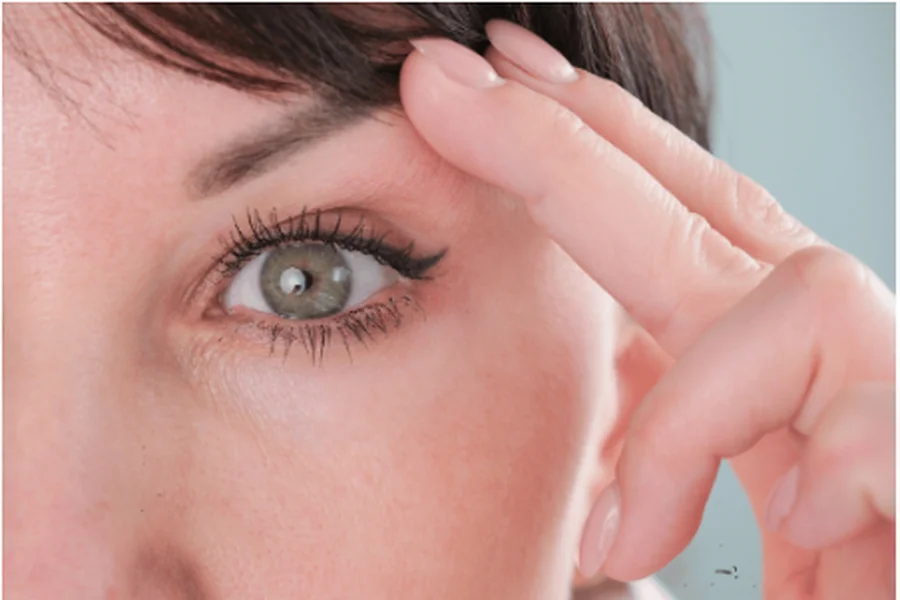

When most people think about aging around the eyes, they focus on wrinkles or sagging skin. But what many don’t realize is that the muscles beneath the skin play just as important a role in how youthful — or tired — your eyes appear. The eyelids aren’t just thin folds of skin. They’re supported and lifted by small but powerful muscles that work constantly throughout the day.
As you age, these muscles change. And those changes can directly affect how open, firm, and alert your eyes look. Understanding what happens beneath the surface can help explain why eyelids droop, why makeup doesn’t sit the same way anymore, and why you may look more fatigued even when you feel fine.
Let’s break it down clearly.
The Main Muscle Behind Eyelid Lifting
The main muscle that lifts your upper eyelid is known as the levator palpebrae superioris. It’s a slender, elongated muscle that extends from deep inside the eye socket (orbit) and connects to the upper eyelid. Every time you open your eyes fully or simply keep them open throughout the day, this muscle is actively at work. It tightens to raise the eyelid and relaxes when you blink or shut your eyes.
Supporting it is a smaller muscle called Müller’s muscle, which helps maintain eyelid height and subtly adjusts how open and alert your eyes look. When people explore treatments or consider using an eyelid anti-aging device, the goal is often to support the overall firmness and function of this delicate muscle structure and the surrounding tissues.
Together, these muscles keep your eyes looking alert and awake.
What Changes With Age?
As we grow older, several things happen to these muscles:
1. Muscle Weakening
Just like muscles in the arms or legs, eyelid muscles naturally lose strength over time. This process is part of overall muscle aging, known as sarcopenia.
Although eyelid muscles are small, they are not immune to this decline. Gradual weakening means the levator muscle may not lift the eyelid as efficiently as it once did. Even a slight reduction in strength can cause noticeable drooping because the eyelid skin is so thin and delicate.
2. Stretching of the Muscle Tendon
In many cases, the issue isn’t just muscle weakness — it’s stretching.
The levator muscle connects to the eyelid through a tendon-like structure called the levator aponeurosis. Over time, this connective tissue can stretch or thin out. When that happens, the muscle may still function, but it loses some of its lifting power because the connection isn’t as tight as it once was.
This stretching is one of the most common causes of age-related drooping, sometimes referred to as involutional ptosis.
3. Reduced Nerve Signaling Efficiency
Muscles rely on nerve signals to function properly. As we age, nerve communication throughout the body can become slightly less efficient.
This doesn’t mean nerves stop working — but small delays or reductions in signal strength can affect how responsive muscles are. In the eyelids, this can subtly reduce how wide or firm the eyes appear, especially when you’re tired.
4. Loss of Surrounding Support
Eyelid muscles don’t work alone. They’re supported by surrounding fat pads, connective tissues, and skin structure.
With age:
- Facial fat redistributes or decreases
- Collagen levels decline
- Skin becomes thinner
- Connective tissues weaken
Even if the muscle is functioning, the surrounding structure may no longer provide the same support. The result? The eyelid appears heavier.
Why Drooping Becomes More Noticeable
The eyelid area is extremely sensitive to small changes.
A millimeter of muscle weakening or tendon stretching can significantly change how open your eyes look. Since the eyes are central to facial expression, even slight drooping can make you appear:
- Tired
- Sad
- Older
- Less energetic
This is why many people feel like their eyes age before the rest of their face.
Can Eyelid Muscles Be Strengthened?
This is a common question — and the answer is nuanced.
Unlike larger muscles in the body, eyelid muscles can’t be strengthened through traditional exercise routines. You can’t “lift weights” with your eyelids in the same way you would train your arms.
However, certain non-invasive treatments and technologies aim to support muscle tone and improve circulation in the area. Some approaches focus on stimulating the muscles gently, while others aim to improve the skin and connective tissues surrounding them.
It’s important to note that these methods typically provide subtle improvements rather than dramatic structural changes.
When Is It More Than Normal Aging?
Sometimes drooping eyelids are part of a medical condition called ptosis. While age-related changes are gradual and symmetrical, sudden or uneven drooping may signal something different.
Warning signs that require medical attention include:
- One eyelid drooping significantly more than the other
- Sudden onset of drooping
- Vision obstruction
- Double vision
In these cases, it’s essential to consult a healthcare professional.
Lifestyle Factors That Affect Eyelid Muscles
While aging is natural, certain habits can accelerate muscle and tissue decline:
- Chronic eye rubbing
- Smoking (which reduces collagen and circulation)
- Excessive sun exposure
- Poor sleep
- High stress levels
Protecting the delicate eye area can help slow visible changes.
Wearing sunglasses, avoiding aggressive rubbing, maintaining good hydration, and supporting overall skin health all contribute to preserving eyelid firmness.
The Bigger Picture: Aging Is Structural
When people think about aging eyes, they often focus only on wrinkles. But eyelid aging is structural. It involves:
- Muscle weakening
- Tendon stretching
- Collagen loss
- Fat redistribution
- Skin thinning
It’s a layered process happening beneath the surface.
Understanding this helps set realistic expectations. It explains why creams alone may not fully address drooping and why some changes feel deeper than just skin-level.
Read the article: Top Skincare Beauty Devices You Need to Try
Final Thoughts
Your eyelid muscles work tirelessly every single day — blinking, protecting your eyes, and helping you express emotion. Over time, natural aging affects their strength, structure, and support system.
While some degree of change is inevitable, understanding what’s happening beneath the surface gives you perspective. Drooping eyelids aren’t a flaw — they’re part of the body’s natural evolution.
The key isn’t chasing perfection. It’s understanding your body, protecting what you can, and making informed decisions about care.
Aging is complex, but awareness is empowering.
