
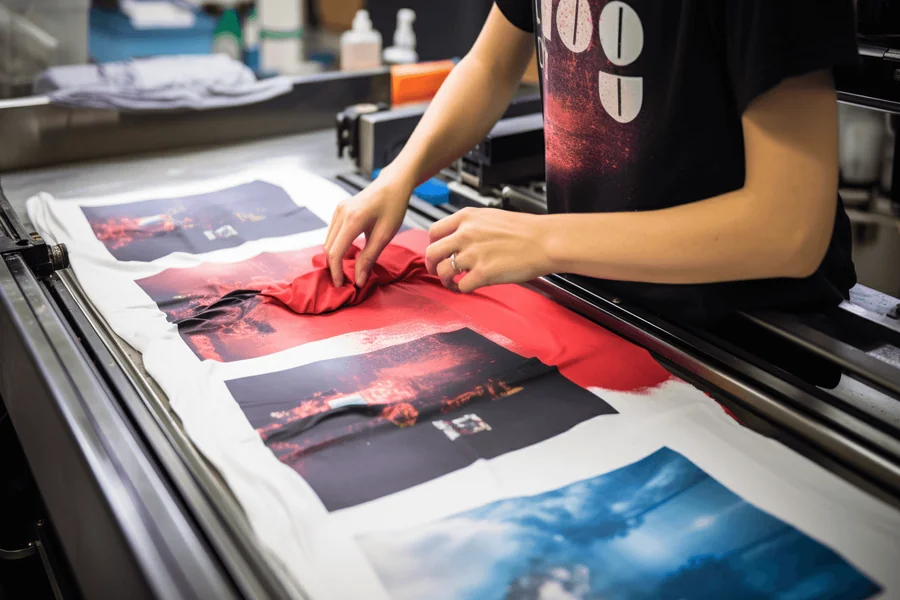

Heat Transfer Paper For Sublimation has grown to be a vital part in contemporary custom printing. Whether you’re decorating your home, printing designs on T-shirts, making promotional items or any other design, sublimation printing guarantees you will generate vibrant and lasting designs. The continuous availability of colorful dyes that bond to the garment ensures that that is the case with sublimation, which is why it is a favored choice of many hobbyists, small business owners, and professional printers.
There are several reasons why sublimation printing is popular, one of which is the quality of the final product. Colors are vibrant and non-flaky; design does not crack and peel with time. But, those are results that are dependent on selecting the right transfer paper and comprehending the sublimation process.
Paper influences colour accuracy and the transfer of colour, drying speed and sharpness. If used with the right heat press settings and the right heat press materials, sublimation transfer paper can yield professional quality products that look great and stay that way for years.
What Is Heat Transfer Paper For Sublimation?
Heat transfer paper for sublimation is a unique coated paper that is designed to temporarily accept sublimation ink prior to transferring it onto polyester fabric or coated surfaces with heat and pressure. Unlike regular printer paper, sublimation paper is intended to regulate the way that the ink lies on the paper surface and the release that takes place during pressing.
It is unique for sublimation in its use of the ink changing to gas when heated under intense heat. The gaseous dye does not form a thick surface layer on the material, but, rather, sinks into the coating or fibres and is integrated into the surface. This gives a soft, durable finish that is smooth to the feel.
Many other personalized items such as apparel, sportswear, mugs, mouse pads, keychains and more are made using sublimation transfer paper. Sublimation dye is best applied to polyester based materials since it has a very strong affinity for polyester fibers.
By using sublimation ink, an image is printed on sublimation paper, which then is printed mirrored onto this paper. The printed paper then is put onto the product and pressed with a heat press. The high temperature and pressure permanently transfer the ink into the material.
Due to this process, the final image looks more vibrant and professional than some traditional printing process. Many DIY artists prefer decoupage paper because of its unique prints and easy application process.
How Sublimation Printing Works
The sublimation printing method is based on heat and pressure to transfer inks from a sheet of paper onto a product. It works on the principle of a solid state reaction, and it will be based on science that transforms solid ink into gas without ever going into liquid form. This enables the dye to penetrate the polyester fibers or polymer coated surfaces deeply.
During pressing, the sublimation ink is activated with heat between 350°F – 400°F, and the pressure evenly distributes the ink to the paper in alignment with the material. When it cools, the dye is retained and stays in.
During this stage, the transfer paper is very important. Sub 2, sub 3, and sub 4 are the four sublimation paper types, with the higher the number, the more ink it will yield and the more it will preserve color accuracy. The poor quality of paper could cause spots or poor transfers of images.
Moisture control is also a key consideration. Too much water can cause ghosting or loss of colour. This is the reason why many users do pre-press light for garments before applying the transfer.
Timing also matters. The longer the pressure is exerted, the greater the potential of overheating the design, which will lead to color damage, and the shorter the pressure is applied, the less effectively the design will transfer. Balances are important in order to get the right results to get right results.
Choosing the Right Sublimation Paper
Choosing the appropriate sublimation paper can make a huge difference to the result and in production time. There are various types of papers for various kinds of printers with various ink types and printers that print at different speeds.
There are some sublimation papers that dry out rapidly which is suitable for high volume print shops. Others are intended for holding more ink that will give greater depth and richness to the colors and images. Which will be better, will depend on the kind of the projects and equipment which is being used.
One of the first considerations is the compatibility of printers. Some of the papers work better on an Epson printer, and others were designed to work with Sawgrass systems and/or large format sublimation printers. Here are some tips to prevent paper jams and printing problems: Being aware of compatibility lets you avoid such events.
The weight of the paper is another factor which isn’t ignored. Lightweight paper dries quickly, is easy to pass through printers and may absorb ink better, giving a sharper image, while heavier paper can have more ink absorption and sharpen the image. Users tend to try various brands and choose the one that works best for them.
Transfer efficiency is another important one as well. Typically, premium sublimation papers will print a higher percentage of ink onto the garment, which will create more vibrant and more intense colors. The use of premium paper may be a bit expensive, but it can eliminate waste which can help increase the overall quality of the product.
Storage conditions are also vital. Sublimation paper should be kept in a dry place because the water will impact the absorption and transfer of ink.
Best Materials for Sublimation Printing
The printing method “sublimation printing” is ideal for polyester fabrics and specially treated hard surfaces. High polyester content will make it more colorful and wear-resistant.
Polyester shirts are one of the most popular sublimation products available due to the vibrant colors and durability that they offer. Sublimation is popular in sportswear manufacturers for producing jerseys and sporty clothes because the designs are non-fading and maintain their look after washing many times.
Hard surfaces also give great performance when treated with a polymer surface to be sublimated. Some of the most common items in which businesses can custom print with their products include ceramic mugs, aluminum photo panels, phone cases, and mouse pads.
Due to the fact that sublimation ink is transparent, light-colored materials are the best choice. Brightest colors and most accurate designs will result from white surfaces. As sublimation ink is not white, dark colored fabrics are not recommended for traditional sublimation.
Cotton also poses a problem. As sublimation ink adheres strongest to polyester, pure cotton fabrics do not tend to soak up the sublimation dye very well. Some individuals test various coatings and/or hybrid techniques on cotton, but the longevity may not be as good as with real polyester sublimation.
It’s important to know what materials to use so you can get the color to last or not look dull.
Common Sublimation Problems and Solutions
Even experienced sublimation users can still get issues during the production. Fortunately, most problems can be remedied by taking a few adjustments to heat settings, using better materials or getting a few techniques straight.
One of the most frequent issues is fading of colors. This is commonly caused by pressing times which are inadequate or temperatures which are too cold. Adjusting the heat and/or pressing time slightly will enhance color vibrancy.
Ghosting – when transfer paper moves during the press, causing unwanted marks and shadows. Even if a little movement, there is a shadow-like effect around the design. Paper is usually secured with heat-resistant tape and prevented by it from being moved.
Blurry prints may result from excessive moisture. Using pre-pressing for several seconds will get rid of moisture and wrinkles from the clothes before transferring them.
The outcrop of the uneven transfers is mostly due to uneven heat press pressure. If you adjust the press correctly, it will be even contact throughout the design area.
The printer settings might not match the type of paper, causing paper jamming and feeding issues. These problems can be significantly minimised by ensuring the use of printer settings as per the recommended setting and quality sublimation paper.
Regular printer maintenance is also of importance. Cleaning print heads regularly and ensuring that ink flow is regular helps to achieve good sharps and consistency of colour.
Why Sublimation Is Popular for Small Businesses
The Sublimation printing method is very popular with small business owners due to its customization possibilities, comparatively low startup costs, and flexibility.
Many entrepreneurs begin with a sublimation printer, heat press, sublimation ink and transfer paper. The hardware is less expensive for the new printer than some large-scale commercial printing processes.
In addition, the sublimation method is suitable for print-on-demand enterprises. It is possible to develop products one-by-one without a large stockpile. This enables business owners to provide customized products like customized shirts, mugs, tote bags, or gifts with little waste.
Another benefit is that sublimation products are professionally looking. Products can compete in the high level of competition in online marketplaces and local businesses with their smooth finish and vibrant colors.
The production speed of the accessories is also attractive. With the design in hand, many products can be finished in a matter of minutes. This efficiency benefits small businesses when it comes to custom orders.
Although it’s good for a lot of things, there are some limitations with sublimation. It can be used with polyester and coated finishes, so the number of products available is more limited than some other types of printing. However, many successful businesses make the decision to use sublimation only due to its versatility and quality.
Final Thought
One of the most crucial components to creating quality custom print is the Heat Transfer Paper for Sublimation. The correct transfer paper guarantees an accurate transfusion of inks for fabric and hard surface items, along with vibrant colors and fine image detail.
From custom gifts to small-scale printing to custom items, knowing how sublimation paper works can be extremely beneficial. There are various things to consider and ensure when selecting materials and heat pressing, and each one plays a role in the overall quality of the heat press.
With the rising popularity of sublimation printing, taking the time to educate yourself about the process and the quality of materials can make a huge difference in making high-quality prints that are going to look professional and last for years.
FAQs
Can sublimation paper work with regular ink?
No, sublimation paper is designed specifically for sublimation ink. Regular inkjet ink will not create permanent sublimation transfers.
Does sublimation printing last a long time?
Yes, sublimation prints are highly durable because the dye becomes part of the material instead of sitting on the surface.
Why do sublimation prints look faded before pressing?
Sublimation prints often appear dull on paper before heat pressing. The colors become much brighter after the transfer process is complete.
Can I use sublimation on dark shirts?
Traditional sublimation works best on white or light-colored polyester fabrics because sublimation ink is transparent.
What temperature is used for sublimation?
Most sublimation projects use temperatures between 350°F and 400°F depending on the material and product type.
Is sublimation suitable for beginners?
Yes, sublimation is beginner-friendly once users learn the correct heat settings, materials, and printing techniques.
