
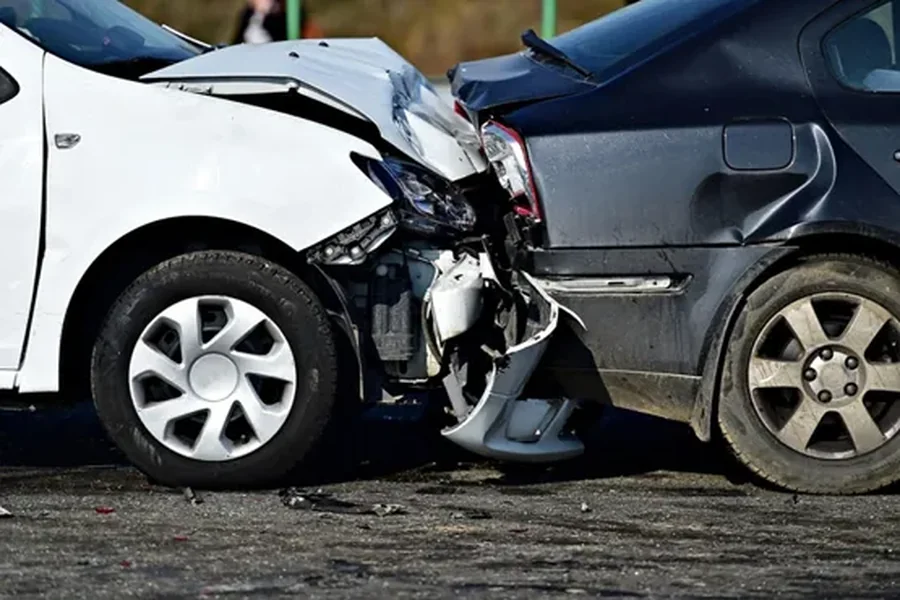

Facing the aftermath of a Hillsborough County crash can flip your world upside down in a second. In 2025 alone, the area saw 24,864 traffic collisions, averaging nearly 68 wrecks every day and injuring over 15,700 people. While that reflects a 5.3% drop from 2024, the reality remains unchanged: high-speed commutes and congested intersections across Tampa leave thousands of drivers vulnerable to sudden disruption.
When life gets derailed by a collision, the physical evidence left on the road becomes your strongest voice. Securing dashcam footage, analyzing skid marks, and documenting scene details right away lays the foundation for a rock-solid case. Partnering with a skilled car accident attorney in Tampa ensures no piece of evidence is overlooked or buried by insurance adjusters. A dedicated team knows how to transform raw crash facts into overwhelming power, positioning you for the compelling settlement you deserve.
The First Hours Matter
Time erases useful proof. Tire marks fade, debris gets cleared, and electronic records can become harder to secure. Quick action helps preserve what the roadway, damaged vehicles, and nearby people still reveal. Early photos, tow yard inspections, and scene visits often expose details that later reports miss. A focused team treats those opening hours as the best chance to protect facts before routine paperwork blurs them.
Building Context Around the Crash
Injury victims often struggle to tell which details will matter later. Street layout, traffic patterns, and insurer tactics can shape every next decision. For that reason, advice from a car accident attorney often begins with a review of the evidence, timeline control, and practical steps. This keeps a claim tied to verifiable facts instead of pressure, assumptions, or hurried statements that weaken credibility before the record is complete.
Photos Do More Than Show Damage
Images can reveal force, angle, distance, and sequence. A crushed rear panel may support a sudden impact account. Road gouges might show where a vehicle spun after contact. Cabin photos can also support injury claims by showing deployed airbags, fractured glass, or bent seat frames. When cataloged carefully, pictures become more than illustrations. They serve as a silent witness for each part of the case.
Vehicle Data Adds Precision
Modern vehicles often store valuable information. Event data may show speed, brake use, throttle input, and seat belt status during the final seconds before impact. That record can confirm or challenge what drivers report later. A focused team knows when to seek access and how to match technical readouts with physical damage. Small data points matter because they can shift blame, raise value, or expose a weak defense.
Witness Statements Need Structure
People recall fragments, rarely a perfect sequence. One person may notice the signal phase, while another remembers a lane drift or phone use. Good teams quickly gather those accounts, then compare them for consistency. Careful interviews reduce confusion and preserve useful detail. Strong witness work is less about drama and more about order, as scattered memories gain value once they are checked against objective proof.
Medical Records Tell a Parallel Story
Crash evidence does not end at the roadway. Emergency notes, imaging findings, therapy charts, and specialist opinions show how force turned into pain, restricted motion, and heavy expenditure. Records can also answer a common insurer claim that symptoms resulted from another condition or problem. A focused team aligns treatment dates with crash mechanics, so the medical history supports the physical record rather than standing apart from it.
-
Gaps Can Hurt Value
Missed visits, delayed care, or incomplete charts can weaken a claim even when injuries are real. Insurers often use those gaps to argue that pain was minor or temporary. Good case preparation spots those issues early and addresses them with context, provider notes, and a clear chronology. That discipline helps prevent avoidable doubt from reducing fair compensation for genuine physical harm.
Road Design Can Shift Fault
Intersections, faded markings, blocked sightlines, and poor signal timing can affect liability. A collision may look simple until the roadway itself is closely reviewed. Site visits, measurements, and maintenance records sometimes reveal conditions that changed driver choices within seconds. Those facts matter because they can support shared fault arguments, explain movement patterns, or show why one account fits the physical setting better.
-
Commercial Footage Changes Cases
Nearby stores, homes, buses, and traffic systems may capture the event or the moments just before impact. That footage can show speed, lane position, signal color, or driver attention. Recordings are often deleted quickly. Focused teams move quickly to request preservation, identify camera sources, and secure copies before routine overwriting removes some of the strongest proof a claim may ever have.
Insurers Test Every Weak Spot
Claims handlers look for uncertainty. They compare statements, review treatment timing, inspect property damage, and question future losses. If evidence is scattered, they use that gap to reduce offers. A focused team responds with order, not emotion. Clean timelines, supported numbers, and consistent records make it harder to dismiss serious injury as a routine inconvenience or a short-lived complaint.
Conclusion
Crash claims become stronger when evidence is preserved, connected, and explained with care. A focused team does more than gather records. It turns scattered facts into a clear account that insurers, judges, and juries can follow. From roadway proof to medical timelines, each detail can add weight when handled early and used well. In serious cases, organized evidence is not background material. It is the force behind real bargaining power.
