
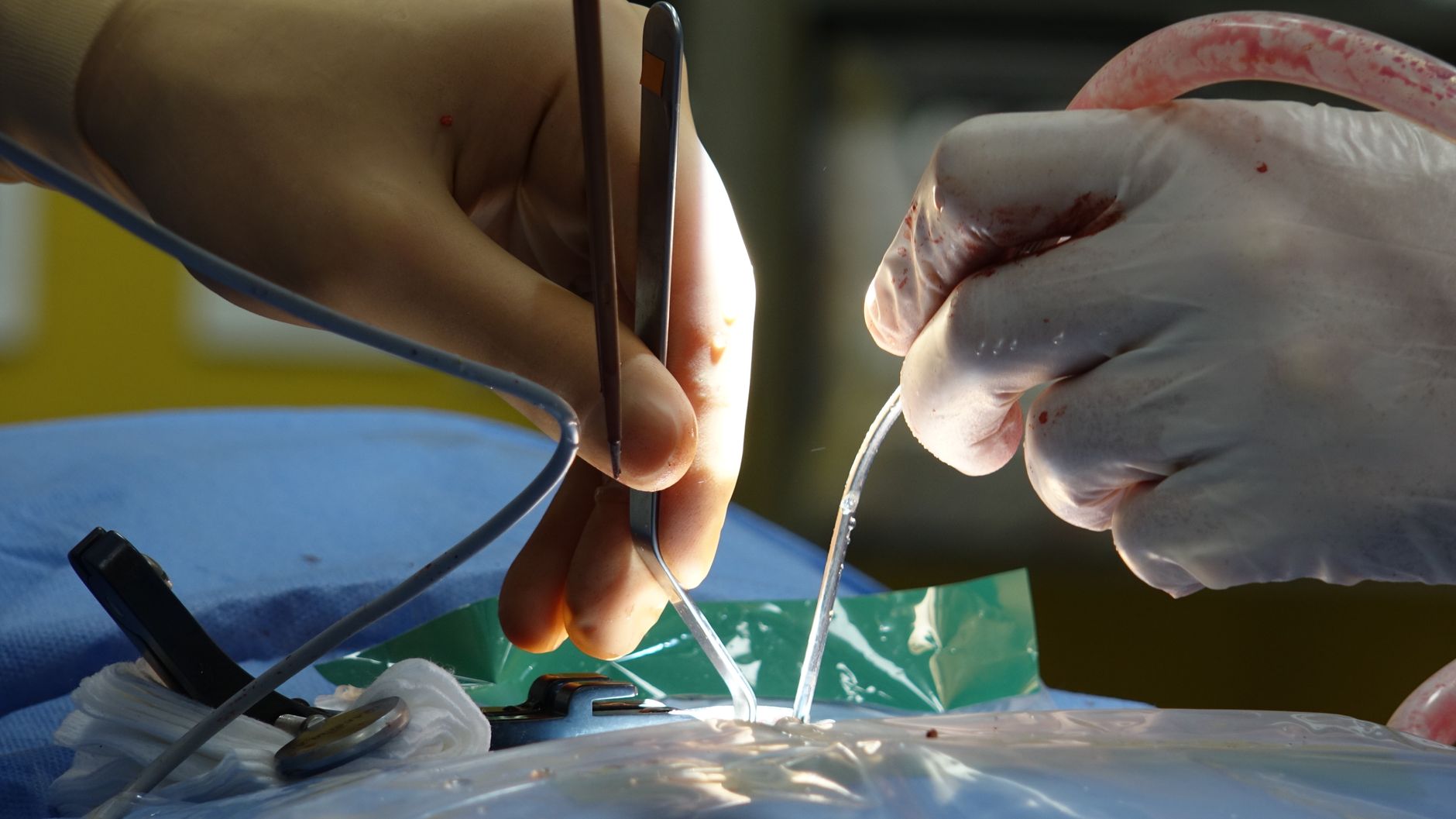

Dog bites to the hand or arm can cause more than surface wounds. Teeth can puncture deeply, crushing force can damage tissue beneath the skin, and swelling can place pressure on nearby structures. MedlinePlus notes that animal bites can cause numbness, tingling, crushing injuries, and tendon or joint damage that reduces motion and function. When nerves are affected, problems may continue even after the visible wound has closed.
For someone consulting an Oceanside dog bite lawyer, the medical record may need to show not only where the bite occurred but what structures were damaged and how function changed afterward. Nerves carry sensory information and control voluntary muscle movement, so an injury can affect feeling, grip, finger coordination, wrist movement, and the ability to complete ordinary tasks.
Nerve Injuries Can Affect Both Feeling and Movement
Peripheral nerves include sensory fibers that carry information about touch, temperature, and pain and motor fibers that control muscles. NINDS explains that damage to sensory nerves can produce tingling, numbness, pain, or loss of position sense, while motor nerve damage can cause weakness, cramps, and muscle wasting. An injury involving both types of fibers can therefore change how the hand feels and how well it moves.
Dog bites can injure nerves through direct trauma, crushing, swelling, or damage to nearby tissue. A person may notice burning or electric-like pain, reduced sensation in one or more fingers, weakness, or difficulty coordinating fine movements. MedlinePlus specifically identifies numbness and tingling as possible symptoms after animal bites.
Median Nerve Damage Can Interfere With Grip and Finger Sensation
The median nerve supplies sensation to much of the thumb side of the hand and contributes to movements used in gripping and manipulating objects. MedlinePlus describes median nerve dysfunction as causing numbness, tingling, burning, decreased sensation, or weakness affecting the thumb, index, middle, and part of the ring finger.
After a bite near the wrist, palm, or forearm, symptoms in this distribution can raise concern for median nerve involvement. Difficulty pinching, holding a phone, fastening clothing, using tools, or performing repetitive finger movements can reveal limitations that are not obvious from the appearance of the scar alone.
Ulnar Nerve Damage Can Reduce Finger Coordination
The ulnar nerve contributes to sensation in the little finger and part of the ring finger and helps control muscles involved in finger coordination. MedlinePlus lists weakness, loss of finger coordination, numbness, tingling, burning, and partial loss of hand movement among possible effects of ulnar nerve dysfunction.
Damage affecting this nerve can interfere with spreading the fingers, maintaining a strong grip, typing, manipulating small objects, or performing tasks requiring coordinated finger movement. In more serious cases, continued weakness can contribute to muscle wasting or changes in hand posture.
Radial Nerve Damage Can Affect Wrist and Hand Control
The radial nerve helps control movement of the wrist, hand, and fingers and provides sensation to part of the back of the hand. MedlinePlus explains that radial nerve dysfunction can cause difficulty extending the wrist or fingers, weakness, coordination problems, abnormal sensation, and partial or complete loss of wrist or hand movement.
A bite affecting the upper arm, forearm, or structures near the nerve can therefore create a different pattern from a median or ulnar nerve injury. Difficulty lifting the wrist, straightening the fingers, or maintaining a stable hand position can interfere with carrying objects, writing, driving, and jobs that require repeated hand positioning.
Swelling and Infection Can Complicate the Original Injury
Not every nerve problem comes solely from a tooth directly damaging a nerve. Animal bites can produce swelling, deep tissue injury, and infection. MedlinePlus advises prompt medical attention for bites involving the hands and fingers because these wounds may involve deeper structures and may require antibiotics or surgical treatment.
Inflammation or swelling around an injured nerve can increase pain or temporarily worsen sensation and movement. Infection can also extend recovery and complicate treatment of nearby tendons, joints, and soft tissues. Hand-bite injuries can appear deceptively minor at the skin while involving deeper structures underneath.
Fine Motor Skills May Be Affected Even When Strength Returns
Hand function involves more than raw grip strength. NINDS notes that sensory nerve damage can impair position sense and make complex movements, such as fastening buttons, difficult to coordinate. A person may regain enough strength to lift an object but still struggle with precise tasks because sensation or fine control has not fully returned.
These limitations can affect work and daily life in subtle ways. Typing, cooking, grooming, handling money, using a touchscreen, fastening jewelry, or operating tools may take longer or require compensation with the other hand. Occupational or physical therapy records can help document these functional changes during recovery.
Recovery Can Depend on the Type and Severity of Nerve Damage
Peripheral nerve injuries range from temporary disruption of signaling to more severe damage involving the nerve fibers themselves. MedlinePlus explains that damage to the nerve covering can slow or prevent signaling, while injury to the axons can create a more serious problem. Recovery can therefore vary considerably between people and injuries.
Evaluation may include a neurological examination and, when appropriate, electrodiagnostic or imaging studies. Treatment can involve wound care, medication for nerve pain, therapy, or surgery when structural damage requires repair. Records showing changes in sensation, strength, range of motion, and hand use over time can help distinguish temporary symptoms from lasting impairment.
Functional Loss Can Matter Long After the Bite Wound Heals
A dog bite can leave a scar that fades over time, but nerve problems may still exist. Numbness can prevent feeling heat, sharp objects, or new injuries. Weakness can make it hard to grip things, while pain or sensitivity can make light contact uncomfortable. According to NINDS, damage to sensory nerves affects the ability to feel touch, pain, and temperature.
To assess a serious dog bite, it's important to look at both the visible injury and the function of the hand or arm. Medical exams, therapy notes, photos, work restrictions, and descriptions of tasks that can't be done can show the full impact of nerve damage. Long-term effects depend more on how well the nerves heal than on the size of the bite mark.
