
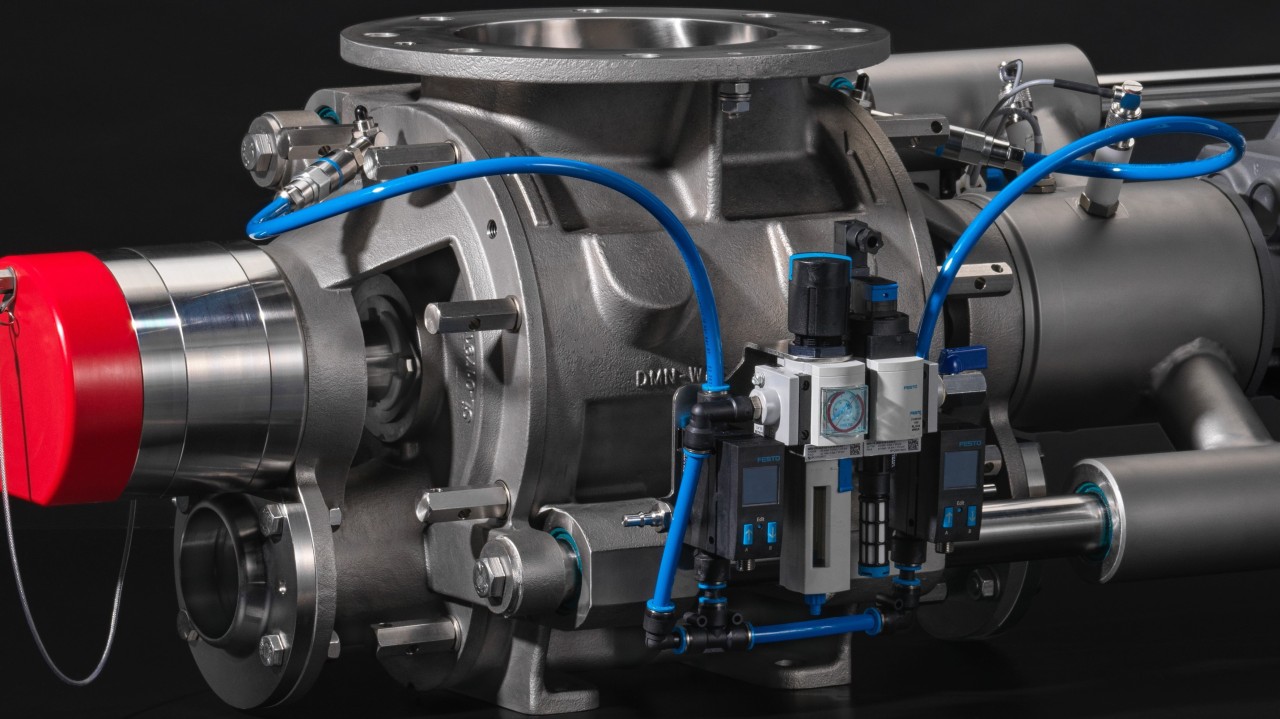

Multi-shot polyurethane molding, where a single machine fills several molds or delivers different shot sizes in sequence, puts extra demands on flow control. Every shot needs the correct ratio and the correct volume, and the transitions between shots are where problems tend to start. Two factors do most of the work: how flow rates are managed and how diverter valves behave.
What Diverter Valves Do
In many casting machines, each component continuously circulates from its tank, through the pump, to the mix head, and back again. Diverter valves control whether material returns to the tank or is sent into the mixing chamber. During recirculation, the system stays at temperature and pressure. When a shot begins, the valves switch, and both components enter the mix head together.
That switch sounds simple, but the timing, speed, and pressure balance of those valves have a direct effect on the quality of the first and last grams of every shot.
Why Transitions Cause Defects
If one component’s valve opens a fraction of a second before the other, the first material into the mold is off-ratio. The same thing can happen at the end of a shot. In a single large pour, a small transition error may be diluted. In multi-shot molding with smaller parts, that error represents a larger share of each part and can show up as soft spots, streaks, or inconsistent hardness.
Pressure mismatches add to the problem. If recirculation pressure differs from dispense pressure, flow surges or dips when the valve switches, temporarily changing the ratio.
Strategies for Better Flow Control
Match recirculation and dispense pressure. Adjusting return-line restrictions so pressure stays similar in both modes reduces the surge at switchover.
Tune valve timing. Small offsets between component valves can compensate for differences in line length and viscosity, so both streams arrive at the mix chamber together.
Size shots realistically. Very small shots magnify transition effects. Where possible, design the cycle so each shot is well above the minimum the system can deliver accurately.
Control temperature closely. Stable viscosity keeps flow rates consistent from shot to shot.
Monitor every shot. Flow meters and pressure sensors reveal whether each shot actually matched the target, not just whether the valves cycled.
Changing Flow Rates Between Molds
Some multi-shot applications need different flow rates for different molds, for example a fast fill for a large cavity and a gentler pour for a detailed part. Servo-driven pumps make it possible to adjust output by recipe while holding the ratio steady, but the control system must coordinate pump speeds and valve timing together.
Designing the System Around the Part
There’s no universal setting for multi-shot molding. Mold geometry, material reactivity, and cycle time all shape the right approach. Engineers specializing in polyurethane processing can design diverter valves, line layouts, and controls to suit a specific mold sequence.
Choosing a Partner
When comparing processing equipment manufacturers, ask how they handle shot transitions, what data the machine records, and how valves are tuned during commissioning. In multi-shot work, these details determine whether every part comes out right.
