
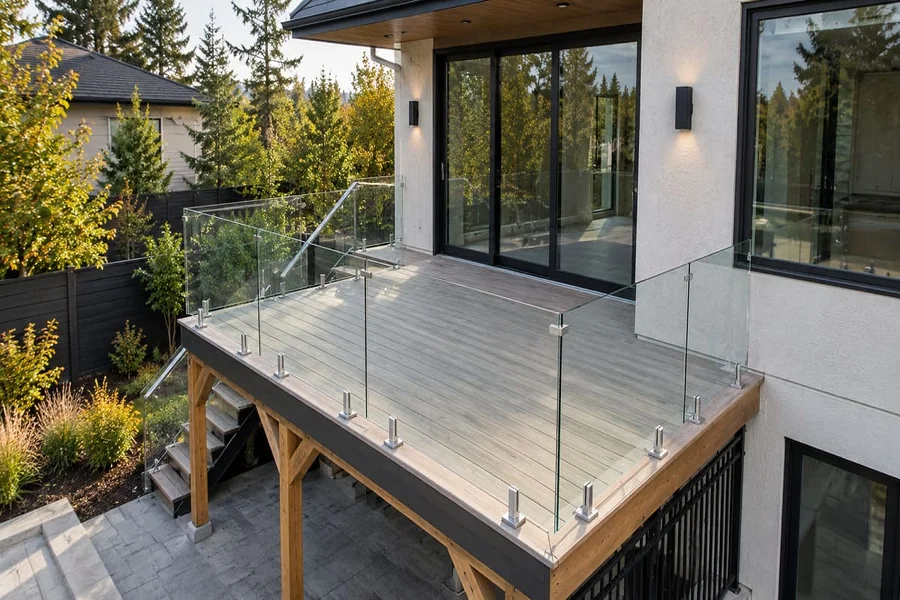

Frameless glass railings are a popular choice for homeowners who want a modern appearance without blocking outdoor views. They work well on decks, balconies, and staircases, helping spaces feel open while complementing different architectural styles.
In Canada, choosing the right railing requires consideration of building codes, seasonal weather, installation costs, and maintenance. Understanding these factors before starting a project can help homeowners make informed decisions.
Quick Answer
Before installing frameless glass railings, consider the glass type, mounting system, structural support, safety requirements, and overall budget. The complete system must suit its intended application and comply with applicable building regulations.
Canadian homeowners should also consider local weather exposure and maintenance needs when selecting a railing for an outdoor space.
Why Choose Frameless Glass Railings?
Frameless glass railings use glass panels with minimal or no prominent vertical posts. Depending on the design, panels can be secured using base channels, spigots, or other specialised hardware.
Their transparent appearance helps preserve views of gardens, landscapes, and outdoor spaces. Glass also complements materials such as wood, concrete, and stone, making it suitable for different home styles.
For Canadian homes, frameless glass railings can be an attractive option for decks and balconies where maintaining natural light and open sightlines is a priority.
Choose the Right Glass Type
Glass selection is essential for the safety and performance of a railing system.
Tempered Glass: This heat-treated glass is commonly used in railing applications because it is stronger than ordinary annealed glass. When broken, it typically fragments into smaller pieces, although injuries can still occur.
Laminated Safety Glass: Made from multiple glass layers bonded with an interlayer, laminated glass can help hold fragments together if breakage occurs. Its suitability depends on the application and system requirements.
The appropriate glass thickness and construction depend on panel dimensions, mounting methods, expected loads, and local building codes. Always confirm the required specifications with a qualified professional or supplier.
Understand Canadian Building Codes
Glass railings serve as protective barriers, so safety requirements should be checked before installation. In Canada, regulations may vary by province, territory, municipality, and building type.
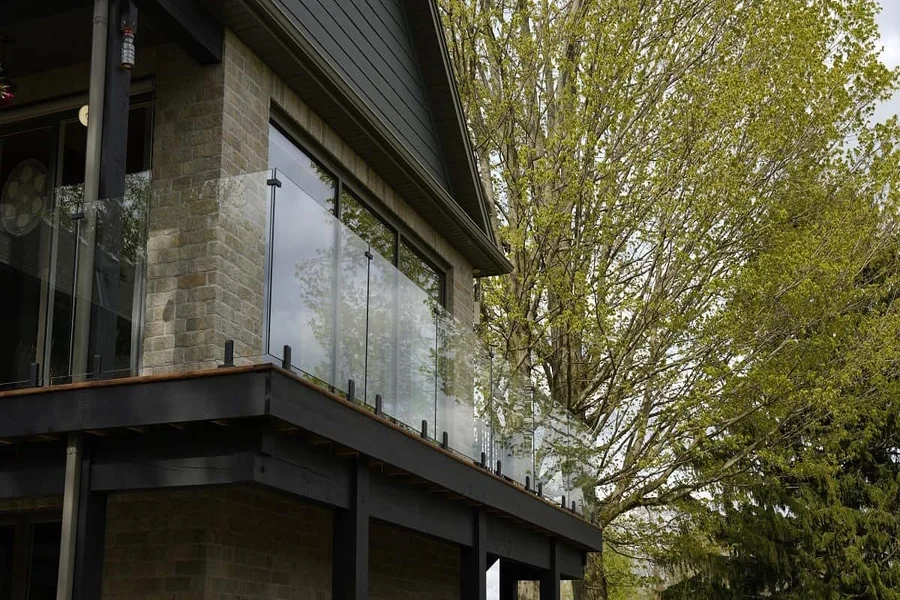
Important considerations include guard height, structural loads, glass specifications, anchoring, and handrail requirements for staircases.
The National Building Code of Canada provides a model framework, but local requirements must be verified for the specific project. Whether upgrading a deck in Ontario or a balcony in British Columbia, homeowners should confirm applicable regulations before ordering materials.
Select the Right Mounting System
The mounting system affects the appearance and installation requirements of frameless glass railings.
Base-Mounted Systems: Glass panels are secured within a channel attached to the supporting surface, creating a relatively continuous glass barrier.
Spigot-Mounted Systems: Individual supports hold the glass panels in place while maintaining a clean, modern appearance.
Other Hardware Systems: Clamps, brackets, and specialised components may be used depending on the design and structural requirements.
For Canadian outdoor installations, consider drainage, waterproofing, and weather exposure when selecting the mounting method. The hardware must be compatible with both the glass panels and supporting structure.
Check the Existing Structure
Before installation, homeowners should ensure that the deck, balcony, or staircase can support the proposed railing system.
Glass panels can be heavy, and secure attachment is essential. Older wood decks may require framing assessments, while concrete balconies may need careful evaluation of anchor placement and concrete condition.
Wind exposure, moisture, and seasonal weather conditions should also be considered for outdoor projects in Canada.
If the supporting structure is damaged or its capacity is uncertain, seek professional assessment before proceeding.
What Does Frameless Glass Railing Cost in Canada?
The cost of frameless glass railing installation depends on the materials, layout, and complexity of the project.
Glass dimensions, thickness, and construction affect material costs, while spigots, channels, clamps, and anchors contribute to the overall system price. Projects involving stairs, corners, custom panels, or difficult access may require additional installation work.
Labour rates and site preparation can also vary across Canadian regions. Depending on the project, permits and professional assessments may add to the budget.
Request itemised quotations that include glass, hardware, installation, and any exclusions. Comparing complete systems makes it easier to understand the total project cost.
Maintenance Tips for Canadian Weather
Frameless glass railings require regular cleaning to maintain their clear appearance. Dust, pollen, rain residue, and water spots can accumulate on outdoor panels.
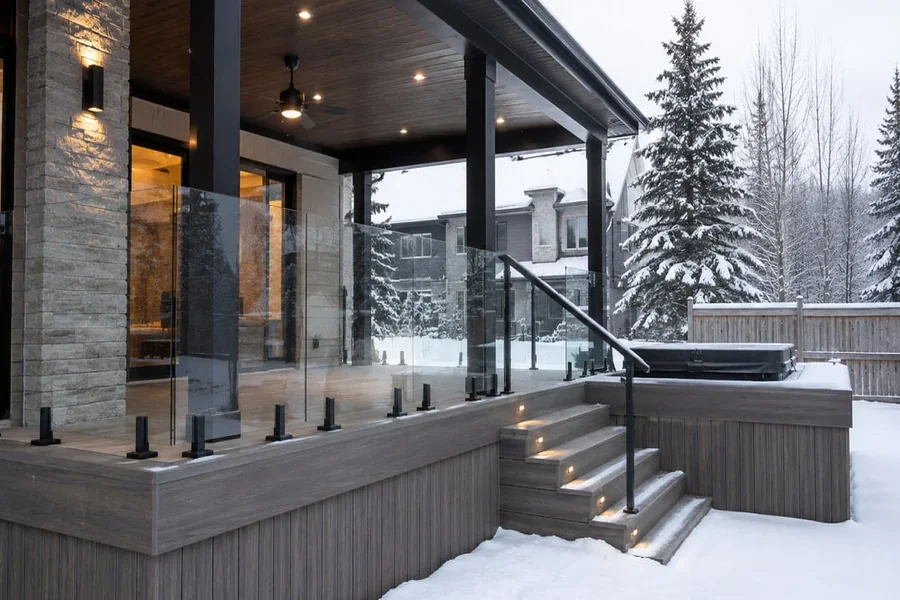
Use a suitable glass cleaner and a soft cloth or squeegee, following the manufacturer’s care instructions. Keep accessible drainage areas clear and periodically check hardware for visible damage or corrosion.
In areas exposed to road salt, moisture, or coastal conditions, hardware selection and maintenance are particularly important. Stainless steel and other corrosion-resistant materials may be suitable, depending on the environment and product specifications.
If a panel is cracked or a component appears loose, keep the area clear and arrange a professional inspection.
Consider Privacy and Design
Clear glass preserves views but offers limited visual privacy. For balconies and closely spaced homes, frosted or tinted glass may be worth considering, depending on the system.
Furniture placement, landscaping, and privacy screens can also help create a more comfortable outdoor space.
For a cohesive appearance, choose a railing style that complements the home’s existing materials. Glass can work well with wood decking, concrete, stone, and contemporary exterior finishes.
Exploring Frameless Glass Railing Options
When comparing railing systems, consider how the glass panels, mounting hardware, and supporting structure work together. Reviewing these components can help homeowners identify options suited to their design and installation requirements.
RF Transparent offers glass railing products and components for residential and commercial applications. Its website provides information about available glass panels, railing systems, and related hardware.
Explore the glass railing collection at RF Transparent to review available options for your project.
Final Thoughts
Frameless glass railings can create a modern appearance while preserving views and natural light. However, choosing the right system involves more than appearance alone.
Canadian homeowners should consider glass specifications, building codes, mounting methods, structural support, costs, and seasonal maintenance before installation. Comparing complete systems and checking local requirements can help ensure that the selected railing suits the property and its intended use.
FAQs
Are frameless glass railings safe for Canadian homes?
They can be suitable when properly designed, installed, and compliant with applicable safety requirements.
What glass is used for frameless railings?
Tempered safety glass is common, although laminated or laminated-tempered glass may be appropriate for certain applications.
How much do frameless glass railings cost in Canada?
Costs depend on glass specifications, hardware, project dimensions, labour, and installation complexity.
Can frameless glass railings be installed on an existing deck?
Yes, if the supporting structure can accommodate the system and its attachment requirements. An assessment may be necessary.
How do you maintain glass railings in winter?
Follow the manufacturer’s cleaning instructions, keep drainage areas clear, and inspect accessible components after severe weather.
Which mounting system is best?
The choice depends on the supporting structure, design preferences, glass specifications, and local building requirements.
