
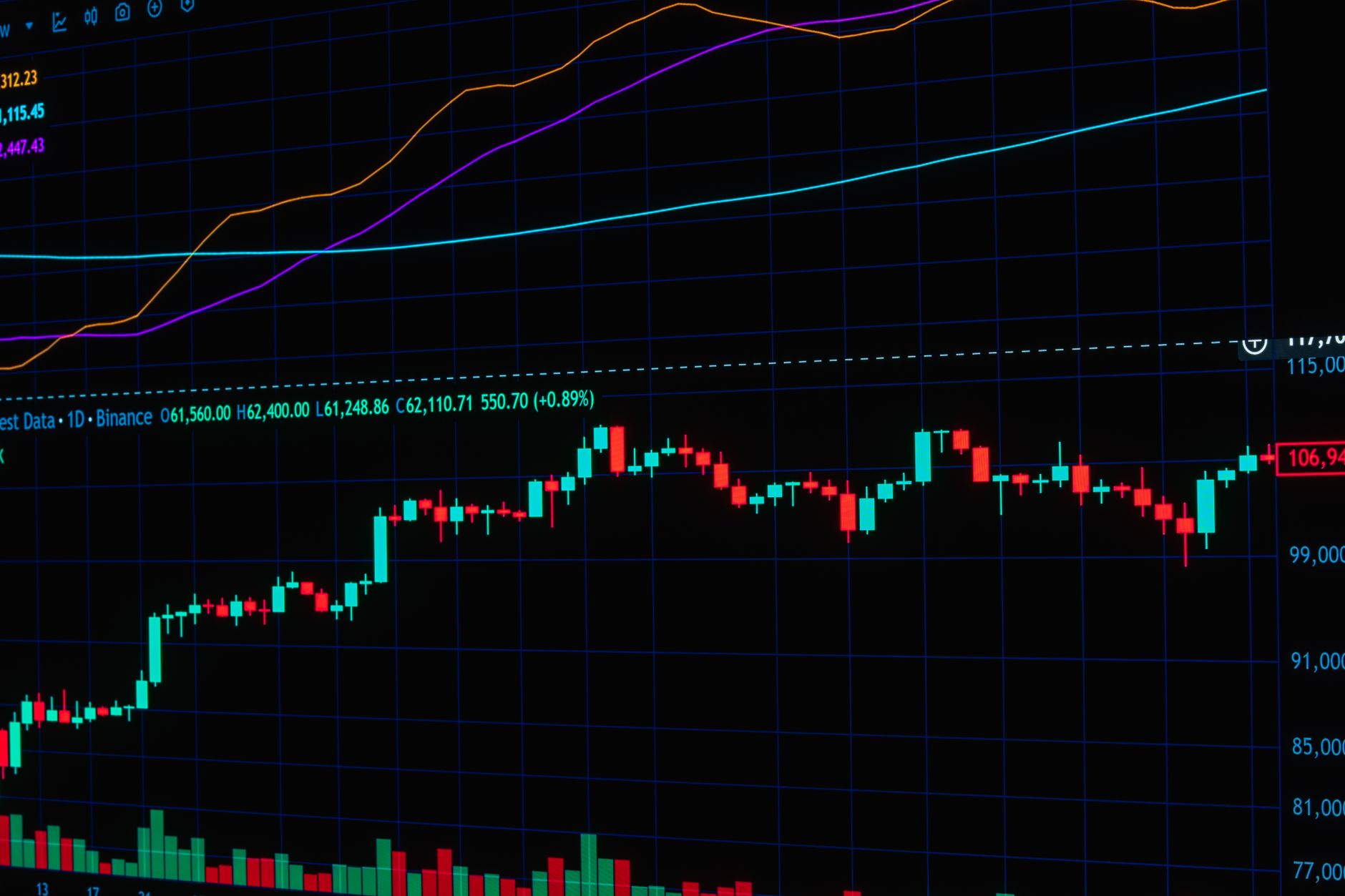

The Indian stock market experiences varying phases influenced by economic conditions, interest rates, consumer demand, and business activity. Different sectors perform distinctly in relation to economic growth, with some thriving under strong conditions and others maintaining steadier demand. Understanding these differences aids investors in creating diversified portfolios. Investors can categorise stocks into cyclical and defensive sectors; while both face market volatility, a mix of these sectors can help mitigate dependency on a singular economic aspect.
What are Cyclical Sectors?
Cyclical sectors like automobile production, construction, and real estate are affected by the ups and downs in economic performance. They experience high demand when there is strong economic growth and low demand when economic growth is slow. This is because of the reason that when economic growth is strong, the demand for these sectors increases, improving the companies’ revenue levels and investors’ outlooks.
What are Defensive Sectors?
The defensive sector includes companies that manufacture basic needs goods or offer necessary services, such as health care, pharmaceuticals, utilities, and consumer goods that will still see demand even in times of economic downturn. It is observed that during recessions, the demand for these necessities will have less variation than other goods. Nonetheless, the shares of companies operating within the defensive industry are not exempt from price reductions.
Cyclical vs Defensive Stocks
The key difference between cyclical and defensive stocks is their sensitivity to economic conditions.
| Factor | Cyclical Stocks | Defensive Stocks |
| Economic sensitivity | Generally higher | Generally lower |
| Demand | Often linked to economic activity | Often linked to essential needs |
| Typical examples | Automobiles, metals, construction | Healthcare, utilities, consumer staples |
| During economic expansion | May benefit from stronger demand | May continue to see relatively steady demand |
| During economic slowdown | May face weaker demand | Demand may be relatively resilient |
The actual performance of stocks depends on its financial position, valuation, industry conditions and other factors. Sector classification should therefore be used as a starting point rather than the sole basis for an investment decision.
Why Consider Both in a Portfolio?
Holding stocks across different sectors can reduce dependence on the performance of a single industry. If a portfolio is concentrated entirely in cyclical sectors, it may become more sensitive to changes in economic growth.
Similarly, investing only in defensive sectors may limit exposure to businesses that could benefit from stronger economic activity.
A combination of the two can provide exposure to different parts of the economy. The appropriate allocation depends on factors such as an investor’s objectives, time horizon, risk tolerance and overall asset allocation.
How Economic Cycles Can Affect Sector Performance
Economic cycles generally move through periods of expansion, slowdown, contraction and recovery. Different sectors can respond differently during these phases.
During an expansion, businesses linked to capital spending, infrastructure and discretionary consumption may experience stronger demand. Cyclical sectors can therefore attract greater investor attention.
During a slowdown, investors may place greater emphasis on businesses with relatively stable demand. Defensive sectors may become more relevant in such an environment.
However, markets often anticipate economic changes before they appear in economic data. As a result, sector performance does not always follow a predictable sequence.
Factors to Consider Before Choosing Sectors
Investors should consider more than whether a sector is classified as cyclical or defensive. Some important factors include:
Company Fundamentals
Revenue growth, profitability, debt levels, cash flows and management quality can influence a company’s long-term prospects. Two companies within the same sector can have very different financial profiles.
Valuation
A strong company can still represent an expensive investment if its market valuation does not align with its earnings potential. Investors should consider valuation alongside business fundamentals.
Economic Conditions
Interest rates, inflation, government spending, consumer demand and commodity prices can influence different sectors in different ways.
Portfolio Concentration
Investors should review how much of their portfolio is already exposed to a particular sector. Holding several companies from the same industry does not necessarily provide broad diversification.
Building a More Balanced Portfolio
An all-weather portfolio does not imply that the portfolio will remain immune from stock market activity. The goal could be to construct a diversified portfolio, which would have an investment in companies, which will behave differently due to changing economic environment.
The investor could analsze the current portfolio in order to find out whether it is invested more in cyclical or defensive industries. Then it could be determined whether the diversification in other industries could serve his purpose.
Apart from diversification among industries, diversification could occur across different asset classes and investment styles, which is specific to the needs of each particular investor.
Conclusion
Differences between Cyclical and Defensive Sectors need to be known by the investor. The stocks of the cyclical sector respond to the economy, but on the other hand, the stocks of the defensive sector are stable. Though sector categorisation helps in assessing investment opportunities, many other factors that include fundamental analysis of companies, valuation, risk tolerance, and portfolio management also matter. Investment platform 5paisa helps in this regard.
