
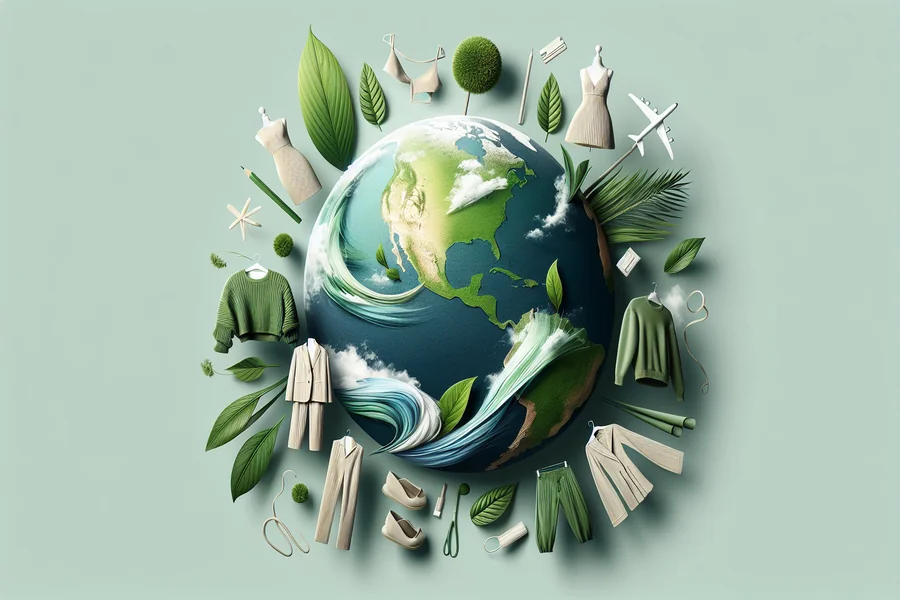

The fashion industry has always reflected culture, identity, and personal expression. What people wear often communicates confidence, creativity, lifestyle, and even values. But in recent years, conversations around clothing have gone beyond style and trends. More consumers are asking deeper questions about where their clothes come from, how they are made, and what impact they leave behind. That is why Sustainable Fashion: Why It Matters Today has become such an important discussion.
Fashion is one of the largest industries in the world, influencing economies, employment, media, and consumer behavior. At the same time, it also affects natural resources, labor conditions, and long term environmental health. As awareness grows, people are beginning to rethink the way they shop, wear, and care for clothing.
Sustainable fashion is not about giving up personal style or avoiding new clothes entirely. It is about making smarter choices that support people, protect resources, and encourage long term responsibility. From fabric selection to manufacturing processes, every part of the clothing journey can influence the future of the industry.
Understanding why sustainable fashion matters helps consumers make choices that align with both personal values and global needs.
What Sustainable Fashion Really Means
Sustainable fashion refers to clothing, accessories, and production systems designed with environmental and social responsibility in mind. It focuses on reducing harm while improving the overall lifecycle of fashion products.
This can include using organic or recycled materials, reducing water waste, lowering carbon emissions, improving factory conditions, and creating products that last longer. Many ethical fashion brands are working to make their supply chains more transparent so consumers can better understand how products are made.
Sustainability in fashion also involves durability. Instead of producing low quality garments designed to be replaced quickly, sustainable brands often focus on timeless pieces built for repeated use.
Some companies such as Patagonia and Stella McCartney have helped bring more global attention to ethical production and environmentally responsible design.
The concept goes beyond clothing materials alone. It includes packaging, transportation, labor practices, recycling systems, and how consumers care for garments after purchase.
In simple terms, sustainable fashion aims to create a healthier relationship between style, people, and the planet. To learn more about this topic, check boringmagazine.co.
The Environmental Impact of Fast Fashion
One of the main reasons sustainable fashion matters is the environmental impact of fast fashion. Fast fashion refers to the rapid production of low cost clothing designed to match changing trends.
While this model makes fashion more accessible, it also creates serious environmental challenges. Large scale clothing production often requires massive amounts of water, energy, and raw materials.
Cotton farming, fabric dyeing, synthetic fiber production, and transportation all contribute to pollution and resource depletion. Many low cost garments are worn only a few times before being thrown away.
Synthetic fabrics can also release microplastics during washing, which eventually enter rivers and oceans. Textile waste continues to grow as consumers buy more and keep garments for shorter periods.
Landfills in many parts of the world receive millions of discarded clothing items every year. Some garments take decades to break down.
Sustainable fashion addresses these issues by encouraging longer product life, lower waste, and more responsible material choices.
Why Ethical Labor Matters in Fashion
Fashion is not only about environmental impact. It is also deeply connected to human labor.
Millions of workers around the world help produce the clothing people wear every day. These workers often operate in factories, farms, textile mills, and shipping facilities.
Unfortunately, not all labor conditions meet fair standards. Some workers face long hours, unsafe environments, or wages that do not support basic living needs.
Sustainable and ethical fashion places stronger focus on human rights, fair compensation, and safer working conditions. Brands that support ethical production often work closely with suppliers to improve labor standards.
Consumers today are becoming more aware of these issues. Many people want to support companies that respect workers and create healthier workplaces.
When someone chooses ethically produced clothing, they are supporting more than a product. They are supporting people behind the product.
This shift in consumer awareness is helping push the fashion industry toward greater accountability.
The Role of Consumers in Sustainable Fashion
Consumers have more influence than they often realize. Every purchase sends a message to brands about what matters.
Choosing quality over quantity is one of the simplest ways to support sustainable fashion. Instead of buying multiple low quality items, investing in durable clothing can reduce waste and save money over time.
Reading clothing labels, researching brands, and learning about materials can also support better decisions.
Natural fibers, recycled fabrics, and responsibly sourced materials often have lower environmental impact compared to heavily processed alternatives.
Buying secondhand clothing is another growing trend. Vintage shops, resale platforms, and clothing swaps help extend the life of garments while reducing demand for new production.
Repairing damaged clothes instead of replacing them can also make a meaningful difference.
Consumers do not need to change everything overnight. Small, consistent choices often create long term impact.
Fashion becomes more powerful when people shop with awareness rather than impulse.
Innovation and the Future of Fashion
Technology is helping sustainable fashion grow faster than ever. Designers and manufacturers are finding new ways to create stylish clothing while reducing environmental harm.
Innovations in fabric development now include recycled polyester, plant based leather alternatives, and biodegradable textiles.
Some companies are also using digital design systems to reduce production waste before garments are even manufactured.
Artificial intelligence, supply chain tracking, and material science are improving transparency across the fashion industry.
Brands are beginning to offer repair services, clothing rental options, and recycling programs to keep products in use for longer periods.
This shift shows that sustainability and creativity can work together.
The future of fashion may not depend on producing more clothing. It may depend on producing smarter clothing.
As innovation continues, consumers will likely see even more sustainable options become accessible across different price ranges.
Building a More Responsible Personal Style
Sustainable fashion does not require giving up personal style. In fact, it often encourages a stronger sense of identity.
Building a thoughtful wardrobe means choosing pieces that reflect individual taste while remaining useful over time.
Classic designs, neutral colors, versatile layers, and durable fabrics can create wardrobes that work across multiple seasons.
Instead of chasing every trend, people can focus on clothes that feel authentic and comfortable.
A smaller wardrobe built around intentional choices often reduces stress, saves money, and creates stronger appreciation for each item.
Fashion becomes less about constant consumption and more about meaningful expression.
This approach supports both personal confidence and long term responsibility.
Final Thought
Sustainable Fashion: Why It Matters Today is more than a trend. It reflects a larger shift in how people think about style, responsibility, and the future.
The clothes people wear carry stories of design, materials, labor, and environmental impact. Choosing sustainable fashion means paying attention to those stories and making choices that support both human wellbeing and environmental balance.
No single purchase will change the entire industry. But millions of thoughtful decisions can influence how fashion evolves.
By buying less, choosing better, and wearing clothes longer, consumers can help build a fashion industry that values creativity, fairness, and sustainability for generations to come.
FAQs
What is sustainable fashion?
Sustainable fashion refers to clothing made with environmental responsibility, ethical labor practices, and long term product durability in mind.
Why is fast fashion considered harmful?
Fast fashion can contribute to waste, pollution, resource depletion, and unfair labor conditions in parts of the global supply chain.
Does sustainable clothing cost more?
Some sustainable products may cost more initially, but higher quality garments often last longer and provide better long term value.
Can secondhand shopping support sustainability?
Yes. Buying secondhand clothing helps extend garment life and reduces demand for new production.
How can I start building a sustainable wardrobe?
You can begin by buying fewer items, choosing durable fabrics, supporting ethical brands, and taking better care of your clothes.
