
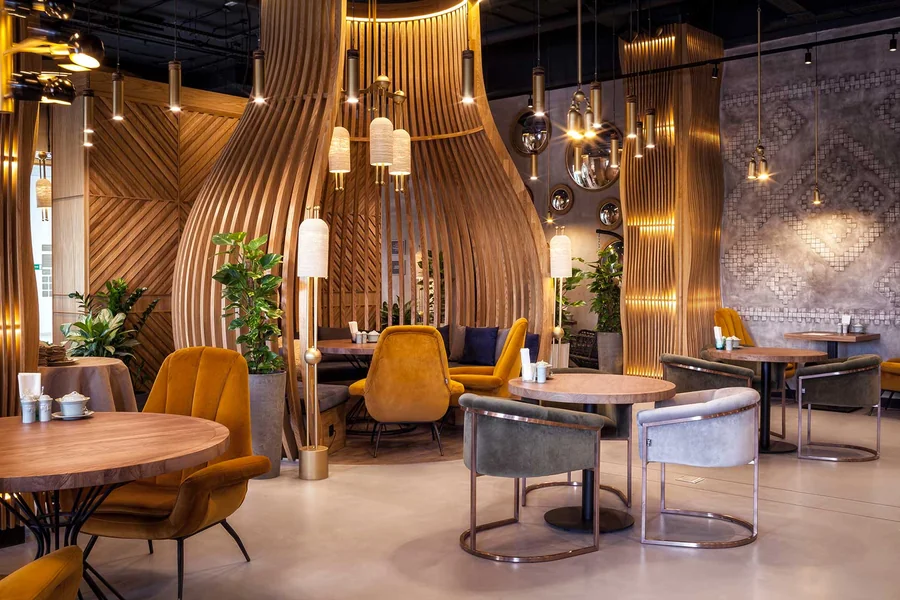

Regular Cleaning Practices for Long-Lasting Restaurant Furniture
Maintaining the appearance and durability of restaurant furniture begins with consistent cleaning practices. Food spills, dust, and grease can quickly wear down both wood and upholstered pieces if not properly managed. For wooden chairs and tables, wiping surfaces daily with a damp cloth helps prevent staining and buildup. Upholstered seats require vacuuming to remove crumbs, while deep cleaning with fabric-safe solutions should be scheduled regularly. For metal or plastic furniture, mild detergents work best to avoid scratches or discoloration. Establishing a daily, weekly, and monthly cleaning checklist ensures that every piece of restaurant furniture is kept in top condition. Training staff on proper cleaning methods is also essential to avoid damage caused by harsh chemicals or improper techniques. When cleaning becomes part of the routine, the furniture not only lasts longer but also consistently gives customers a fresh, welcoming dining environment.
Protecting Restaurant Furniture from Wear and Tear
Even the most durable restaurant furniture faces constant use, making preventive measures crucial for longevity. Adding protective pads under chair and table legs can reduce floor damage and stabilize the furniture. For wooden furniture, applying protective finishes or sealants helps guard against scratches and moisture. Upholstered pieces benefit from fabric protectors, which resist spills and make cleaning easier. Restaurant owners should also consider high-quality slipcovers for furniture in high-traffic areas, allowing for easy replacement when needed. Rotating furniture pieces periodically distributes wear evenly, preventing certain chairs or tables from wearing out faster than others. Clear communication with staff about gentle handling—such as avoiding dragging chairs across floors—also minimizes damage. By taking these proactive steps, restaurants can significantly extend the life of their furniture, reducing replacement costs and maintaining an inviting atmosphere that reflects positively on the brand.
Seasonal Care Tips for Indoor and Outdoor Restaurant Furniture
Restaurant furniture used outdoors faces additional challenges, such as exposure to sunlight, humidity, and rain, making seasonal care an important part of maintenance. During hot months, UV-resistant finishes and covers help protect furniture from fading or cracking. In colder seasons, moisture and freezing temperatures can cause wood to warp and metal to rust, so it’s best to store outdoor pieces indoors or use waterproof covers. Indoor furniture also benefits from seasonal care, such as conditioning wooden surfaces during dry winters to prevent cracking. Rotating cushions or upholstery according to seasonal themes not only extends their lifespan but also refreshes the restaurant’s ambiance. Regular inspections each season ensure early detection of loose screws, fading finishes, or fabric wear. With proactive seasonal adjustments, restaurant furniture remains attractive, functional, and aligned with the overall guest experience, no matter the time of year.
When to Repair or Replace Restaurant Furniture for Best Results
No matter how well maintained, restaurant furniture eventually shows signs of age. Knowing when to repair or replace is key to balancing cost efficiency with customer satisfaction. Minor issues such as loose joints, scratches, or small tears in upholstery can often be repaired quickly at a low cost, extending the furniture’s usability. However, when chairs become unstable, or tables develop structural damage, replacement is the safer and more professional option. Outdated or visibly worn furniture can negatively impact the restaurant’s image, making guests perceive the space as poorly maintained. Evaluating whether repair costs outweigh replacement is an important part of long-term planning. Regularly updating certain pieces can also refresh the restaurant’s style without requiring a complete overhaul. By carefully assessing the condition of restaurant furniture, owners can maintain both safety and aesthetic appeal, ensuring customers always enjoy a comfortable dining experience.
Conclusion
Keeping restaurant furniture looking new requires a balance of consistent maintenance, preventive protection, and timely upgrades. Daily cleaning routines help extend durability, while protective finishes and handling precautions reduce wear and tear. Seasonal care ensures both indoor and outdoor pieces remain functional despite environmental challenges. Most importantly, knowing when to repair versus replace allows restaurants to maximize return on investment without compromising guest comfort. Clean, sturdy, and stylish restaurant furniture directly influences how customers perceive the establishment, as well-maintained spaces leave lasting impressions. Investing time and resources into proper maintenance not only saves money in the long run but also creates a more enjoyable dining atmosphere. By following these strategies, restaurant owners can protect their investment, enhance customer satisfaction, and maintain a polished, professional look that keeps guests coming back.
