
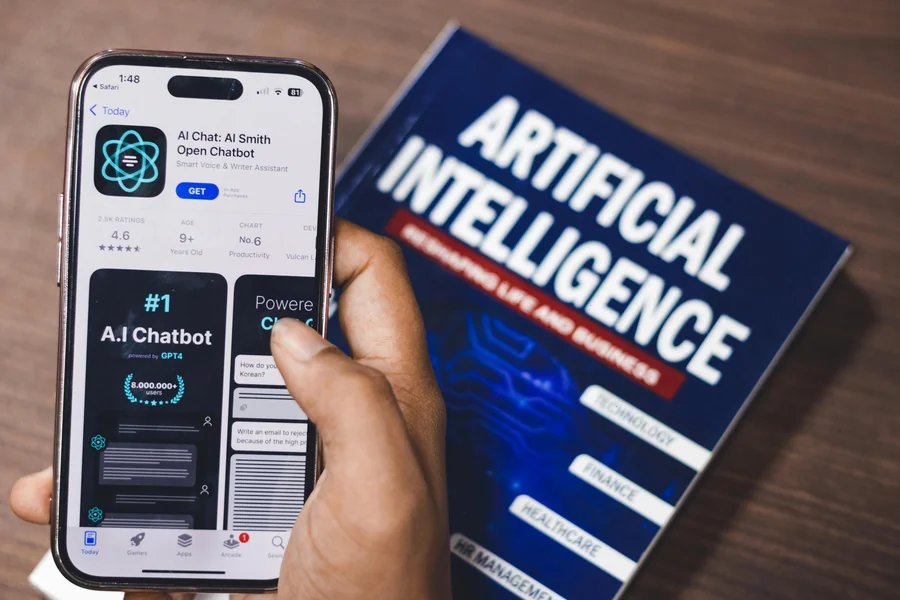

Today’s business environment has brought both challenges and opportunities for small and medium-sized enterprises (SMEs). The most notable change is the emergence of artificial intelligence (AI) tools and their integration into everyday businesses. AI technologies have shown potential to increase productivity, boosting business growth.
This article discusses the potential effects of AI tools on SMEs. Plus, you will get to know the advantages, hazards, and most effective ways of incorporating AI in your work.
Understanding AI Tools in the SMEs Context
AI software tools perform tasks automatically, analyze data, and give useful insights. They can manage marketing, customer service, sales, and even financial operations for SMEs. On the other hand, analytics tools can forecast sales trends relying on past data.
Benefits of AI Tools for SMEs
AI has the potential to greatly increase the efficiency and output of work. Some main benefits include:
- Time-saving automation: Let machines handle repetitive jobs such as scheduling, invoicing, and reporting.
- AI-driven decisions: Understand customer behavior and market trends to make more intelligent decisions.
- Improved customer engagement: AI chatbots and recommendation engines provide personalized experiences.
- Enhanced marketing strategies: Leverage AI to optimize campaigns, track performance, and predict trends.
With a well-thought-out plan, AI may give small and medium-sized enterprises an edge over large corporations. Thus, increasing ROI without adding more pressure to staff.
Potential Risks and Challenges
Despite the fact that AI has numerous advantages, SMEs should point out the following risks:
- Data privacy concerns: AI usage typically entails collecting customer data, which is protected under laws such as the Data Privacy Act.
- Overreliance on technology: Relying solely on AI for decision-making may diminish the role of human judgment and creativity.
- Implementation costs: Certain AI solutions come with subscription fees, which may strain the budget.
- Skill gaps: Staff may require training to become proficient with AI tools.
The only way to properly address these risks is through a balanced approach: selecting trustworthy AI providers, training employees, and establishing clear data security policies.
Practical Tips for SMEs Using AI
To get AI working for your business without adding risks, here are some ideas:
- Start single tool that can solve a problem, and let that be your starting point.
- Check the results regularly to ensure the tool continues to produce the desired outcome.
- Mix AI with human wisdom. Think of AI as a helpful assistant that can direct you in the right way.
- Make sure your customers’ data is handled with respect and is in line with the law.
- Use SEO PH strategies and apply AI tools to boost your digital marketing game. The combination of AI-based content and SEO strategies can multiply the impact.
By following these guidelines, you can ensure AI efficiency while maintaining operational and competitive excellence.
Wrapping Up
AI tools hold great potential for small and medium-sized enterprises that are willing to innovate. These tools can help save time, improve customer experiences, and facilitate smarter business decisions. This way, you can enjoy the benefits while keeping the risks at a minimum.
