

Ebikes are everywhere these days. Whether you’re commuting to work or exploring nature trails, it’s easy to see why more people are opting for alternatives to cars and traditional bikes. The ride is smoother, the hills don’t feel as tough, and you can go farther without getting exhausted. However, not all e-bikes operate in the same manner. One key feature that can significantly impact your entire riding experience is the type of motor used.
While many models still use hub motors, there’s a growing buzz around something called a mid-drive motor. It’s not just a fancy upgrade—this motor style changes how the bike moves, handles, and climbs. So, are mid-drive motors just a trend, or are they the real future of e-bikes? Let’s break it down.
Understanding Mid-Drive Motors
Mid-drive motors are positioned directly between the pedals, where the crank is typically located. Instead of powering the wheel directly, they push the bike forward by working through the chain and gear system, just like how you pedal a regular bike. This gives a very different feel compared to hub motors, which sit in the center of either the front or rear wheel and push the wheel itself.
One of the biggest perks of a mid-drive setup is balance. Since the motor is low and centered, the bike feels more stable, especially at higher speeds or when going over rough terrain. This makes a significant difference for people who ride long distances, frequently go uphill, or use their e-bikes off-road.
You also get more control. Because mid-drive motors use the bike’s gears, they adjust power more efficiently. Riders can climb steep hills with less strain on the motor and battery. The ride feels more responsive, especially with pedal assist. You press the pedal lightly, and the bike reacts smoothly, making it feel like an extension of your body.
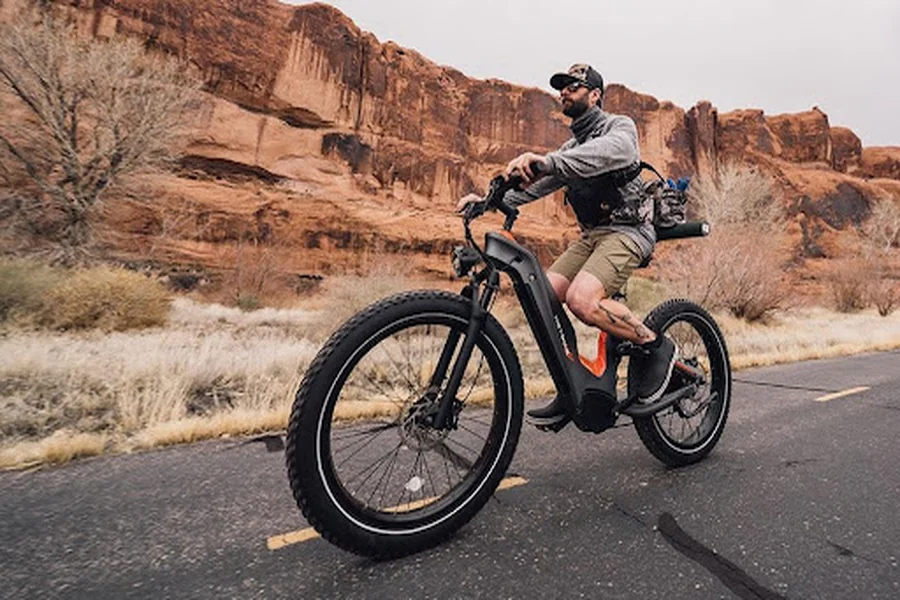
Heybike, a well-known name in the e-bike space, has leaned into this shift. Models like the Heybike HERO and ALPHA utilize mid-drive motors to deliver enhanced torque, improved range, and a smoother ride on hills and uneven roads.
Advantages of Driving the Shift to Mid-Drive
Mid-drive motors are becoming popular for good reasons. First, there’s power. These motors usually deliver stronger torque, especially when starting from a stop or climbing hills. That extra power matters if you’re hauling groceries, towing a kid trailer, or just trying to avoid breaking a sweat on steep routes.
Next, there’s efficiency. Since the motor works with the gears, it doesn’t always have to push at full force. That means better energy use, which helps your battery last longer. Some riders report getting better range from a mid-drive motor, especially when they shift gears smartly.
Another big advantage is how it handles. A mid-drive motor is situated in the center of the bike, ensuring the weight is evenly distributed. This gives the bike a more natural feel, like a standard bicycle, only stronger. It helps the tires grip better on sharp turns or wet roads.
Many riders also like that mid-drive e-bikes allow for easy tire changes. Because the motor isn’t in the wheel, you can fix a flat tire or swap out parts without touching the electronics.
Challenges and Considerations
Of course, mid-drive motors aren’t perfect for everyone. One of the first things people notice is the price. These motors typically cost more, which can increase the overall bike price as well. For casual riders or those just trying e-bikes for the first time, a hub motor might seem like the simpler choice.
Maintenance is another consideration. Mid-drive motors can put more stress on your chain and gear system. Since the motor uses the same drive chain as your legs do, it adds more wear and tear. You may need to replace chains or cassettes more frequently, especially if you ride on rough terrain.
They’re also a bit more complex. Fixing a problem with a mid-drive system may take longer and require a specialist, which could result in more downtime if a component breaks. Not every bike shop is yet ready to service these.
So, while they offer numerous benefits, mid-drive motors also require a bit more commitment in terms of care, budget, and understanding.
Technological Advancements and Market Trends
The good news? Technology keeps improving. In the last few years, mid-drive motors have become smaller, lighter, and quieter. Brands are adding smart sensors that adjust power based on how hard you pedal or the slope of the hill. This makes the ride feel more natural and tailored to your effort.
Battery tech is also catching up. Better energy density and smarter battery management systems mean that newer mid-drive bikes can go farther without adding weight. Some models now offer automatic gear shifting or advanced display units that track your efficiency, battery life, and terrain data in real time.
Some brands also include modern features like torque sensors, sleek displays, and improved battery integration in their mid-drive models. These updates help bridge the gap between performance and ease of use, making mid-drive systems more appealing to the average rider, not just the tech-savvy crowd.
From a market perspective, more manufacturers are offering mid-drive options, not just in premium lines, but also in mid-range models.
The future of e-bikes is leaning toward smarter, more efficient designs, and mid-drive motors play a significant role in this shift. They give riders more control, more power, and a smoother, more balanced ride. For people who use their e-bike daily, ride over varied terrain, or want something that feels close to a traditional bike, mid-drive setups offer a lot to love.
That said, they won’t work for everyone. Hub motors still have a strong place in the market, especially for beginners or budget shoppers. They’re easier to maintain and get the job done for many day-to-day rides.
But the momentum behind mid-drive technology is real. With innovations, better pricing, and growing demand, we’re likely to see more of them on the roads and trails soon. Whether you’re upgrading or just getting started, it’s worth exploring what mid-drive motors offer.
