
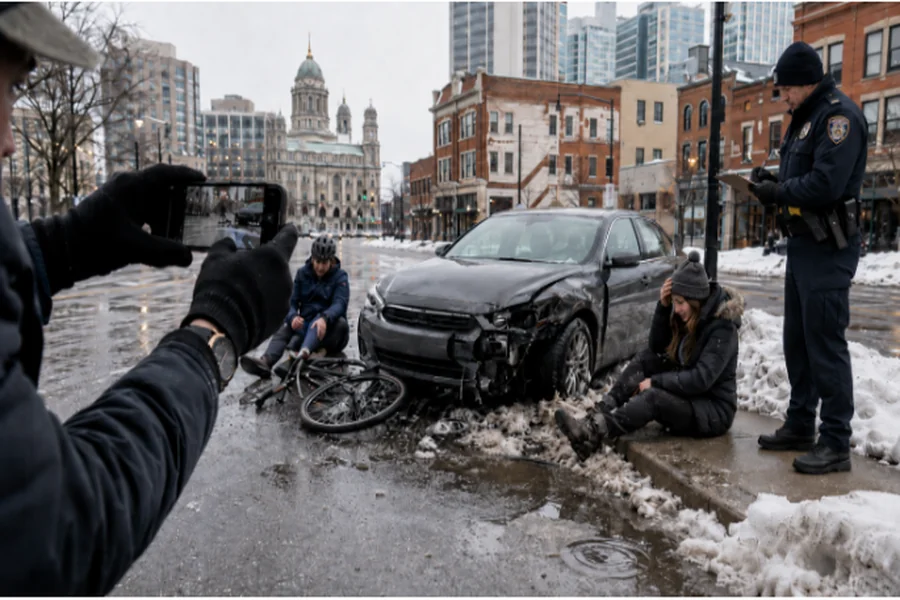

An unexpected injury can affect your daily life, work, and finances, but preserving evidence, getting appropriate medical care, and seeking timely legal guidance can help protect your rights and pursue fair compensation.
When The First Few Days Matter Most
Evidence does not always wait for an injured person to be ready. A damaged vehicle may be repaired, security footage may be deleted, snow or debris may disappear, and witnesses may become less certain about what they saw.
Speaking with personal injury attorneys Fort Wayne can help identify which details need to be preserved while they are still available. In Indiana, where certain claims also carry strict filing or notice deadlines, acting early is less about rushing into legal action and more about making sure important information is not lost before you know whether you will need it.
A Claim Often Starts With Ordinary Details
A personal injury case does not begin in a courtroom. It often begins with ordinary things: a phone photo, a discharge paper, a damaged bicycle, a repair estimate, a text from a supervisor, or the name of someone who saw what happened. These details can seem minor while you are focused on pain and appointments, yet they may later explain how the accident occurred and what it changed.
Truitt Law Offices describes its practice as focused solely on personal injury and emphasizes investigation, preparation, and direct client service. The firm also points to experience with the way insurance companies defend claims. That perspective can matter when an adjuster asks for a recorded statement, questions treatment, or pushes for a quick settlement before the longer-term effects of an injury are known.
Indiana Deadlines Can Arrive Earlier Than Expected
Indiana law adds its own timing rules. Many actions for personal injury must be started within two years after the cause of action accrues. Government-related cases can move on a much shorter clock. A tort claim against a political subdivision generally requires notice within 180 days after the loss, while a claim against the State of Indiana generally requires notice within 270 days. Those notice rules are separate from the ordinary two-year filing period and make early case review especially important when a city vehicle, public property, or another government entity may be involved.
Fault can also affect compensation. In many negligence cases involving private defendants, Indiana uses modified comparative fault. If your share of fault is greater than 50 percent, recovery is generally barred. When it is 50 percent or less, damages may be reduced by your percentage of responsibility. That makes photographs, witness accounts, scene measurements, and other records more than paperwork; they can become the difference between competing versions of the same event.
Medical documentation matters too. A gap in treatment may have an innocent explanation—work, childcare, transportation, or waiting for a referral—but an insurer may still question it. Keeping a record of appointments, symptoms, restrictions, mileage, and days missed from work can give the claim a clearer timeline and help connect the injury to the changes you are actually living with.
Fort Wayne Weather Can Change The Evidence
Fort Wayne’s weather brings another practical issue. Snow and ice can change a road, sidewalk, or parking lot within hours. The city prioritizes arterial roads first for plowing and salting, followed by collector roads and Citilink routes. Residential streets are treated last, generally when snowfall reaches at least three inches. Conditions can therefore vary from one part of the city to another. Weather alone does not establish negligence, but photos, timestamps, maintenance records, and reports can help show what conditions were actually like when an injury happened.
Local Safety Efforts Look Beyond The Accident
Local transportation work also shows how safety is being addressed before an accident occurs. Fort Wayne has used Safe Streets and Roads for All funding for improvements along Broadway and Taylor, while projects such as the Coldwater Road widening use Complete Streets principles, including safer crossings, sidewalks, lighting, drainage, and green infrastructure. These projects do not decide fault in a personal injury claim, but they reflect a local effort to make streets work more safely for drivers, pedestrians, bicyclists, and transit users.
Practical Help Can Matter After The Case Begins
The consequences of an injury may reach beyond a settlement figure. If a lasting condition makes work harder, Indiana’s Vocational Rehabilitation Services has a Fort Wayne office serving Allen and nearby counties. For eligible residents, vocational rehabilitation can help with preparing for, finding, or keeping employment. Knowing that practical support exists can be useful when the injury affects not only medical treatment but also the kind of work you can realistically return to.
Making The Next Decisions Easier To Understand
A legal consultation can bring these separate pieces into one place: the accident record, medical care, insurance questions, deadlines, work concerns, and the choices that still remain open. Truitt Law Firm emphasizes personal attention, clear communication, and representation shaped around the needs of injured clients.
If you are searching for a personal injury attorney after an injury, that kind of tailored guidance can help you understand what matters now, what can wait, and what should be protected before time or missing evidence makes the case harder than it needs to be.
Frequently Asked Questions
-
What should you save after an accident in Fort Wayne?
Keep photos, medical papers, witness details, repair estimates, work records, receipts, and any messages or reports connected to the accident.
-
Can a gap in medical treatment hurt a personal injury claim?
It can raise questions from an insurer. Keeping track of why care was delayed and when treatment resumed can help explain the gap.
-
What if the accident involved a Fort Wayne city vehicle or public property?
Special notice rules may apply. Claims involving Indiana government entities can require formal notice much sooner than the usual personal injury filing deadline.
-
How quickly can evidence disappear after an accident?
Very quickly. Snow can melt, hazards can be repaired, vehicles can be fixed, video can be erased, and witnesses may forget details over time.
-
Can you recover compensation if you were partly at fault in Indiana?
In many negligence cases, yes, provided your share of fault is 50% or less. Any compensation may then be reduced according to your percentage of responsibility.
-
Why do snow and ice photos matter in a Fort Wayne injury case?
Winter conditions can change within hours. Photos and timestamps can help show what a road, sidewalk, or parking lot looked like when the accident occurred.
-
Should you give an insurance adjuster a recorded statement right away?
It is worth being cautious. Early statements may be made before the full facts or extent of the injury are known, so getting legal guidance first can help you understand what is being requested.
-
Why can speaking with a personal injury lawyer early be useful?
Early guidance can help identify deadlines, protect evidence, review insurer requests, and organize the claim before important information becomes harder to recover.
