
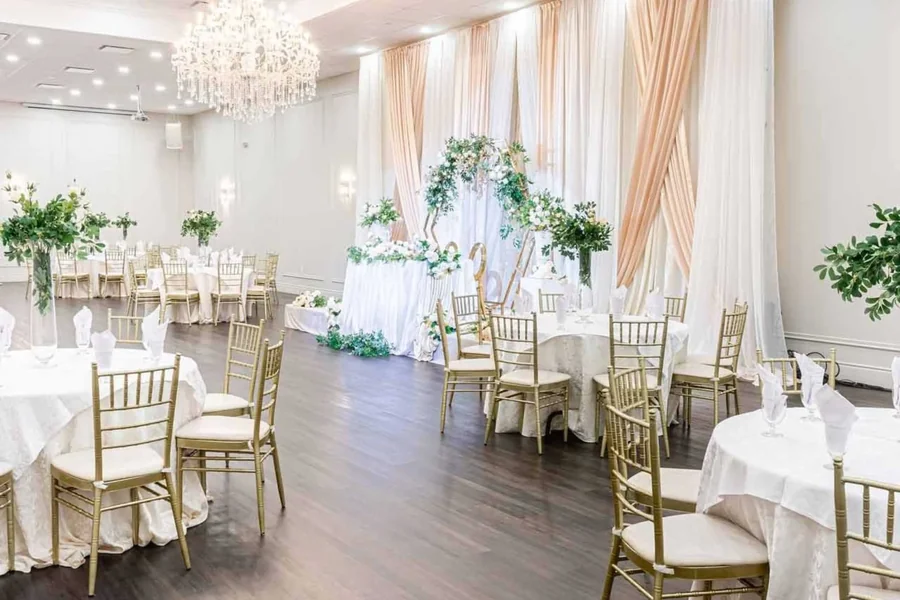

The operational rhythm of a busy venue or event hire company involves a cycle of setup, event, pack-down, cleaning, and reset that must be completed efficiently and to a consistent standard regardless of how many events have preceded it or how quickly the next one follows. The condition of the seating at the start of each event communicates the quality of the operation to guests within the first moments of their arrival. Chairs and benches that show wear, staining, or inadequate cleaning between events create an impression that is difficult to recover from regardless of how well everything else is executed.
Managing the rate of wear and the cleaning time required between consecutive events begins with the operational practices applied during events and continues through the handling, storage, and maintenance approach between them.
During-Event Practices That Reduce Post-Event Work
The volume of cleaning required after an event is significantly affected by how the seating is managed during it. Simple operational practices, none of which require significant investment or change to the guest experience, can substantially reduce the severity of staining and soiling that needs to be addressed in the turnaround period.
Chair placement relative to table edges and traffic paths affects how much incidental contact occurs between seating fabric and food and beverage service. Chairs positioned with adequate clearance from the table edge are less likely to catch dropped food or spilled liquids during service than those pushed tightly under the table during the meal course.
For banquet seating with upholstered seat pads and backs, addressing visible spills during the event rather than leaving them to set overnight dramatically reduces the treatment required during the post-event clean. A staff member making a pass through the room after the meal course and blotting any visible spills before they bond to the fabric is five minutes of prevention that saves thirty minutes of remediation.
Immediate Post-Event Cleaning Sequence
The first thirty minutes after an event concludes is the most productive cleaning window available. Substances that have been on fabric for an hour are significantly more difficult to remove than those addressed within the first fifteen to twenty minutes. Building an immediate fabric inspection into the pack-down sequence, before chairs are stacked, ensures that any staining is treated while the opportunity for effective remediation is greatest.
The post-event cleaning sequence should follow a consistent protocol: inspect each chair under adequate lighting, treat any visible staining using the appropriate cleaning agent for the stain type, blot rather than rub to avoid spreading and pushing the substance deeper into the fabric, allow briefly to dry before stacking, and document any chairs that require more thorough treatment before next use.
For venues managing hotel bedroom furniture perth and event seating across different hospitality contexts, maintaining separate cleaning protocols for each furniture category and training staff on the distinction between appropriate treatments for different fabric and material types prevents cross-contamination of protocols that can damage furniture with the wrong cleaning approach.
Stacking and Storage Practices
How seating is stacked and stored between events affects both the rate of wear and the time required to bring it to a presentable standard before the next use. Chairs stacked beyond their designed stacking height place structural stress on lower chairs in the stack that can deform seat pads and weaken frame joints over time. Most banquet chair designs have a maximum recommended stacking height that should be treated as an operational limit, not a suggestion.
Storage in areas with adequate ventilation prevents the moisture accumulation in fabric that encourages mould growth and creates the musty odour that is immediately apparent to guests when chairs are set out. For high-throughput operations that cycle chairs through multiple events weekly, a dedicated storage area with appropriate conditions is a worthwhile investment in the medium-term condition of the inventory.
Identifying Replacement Cycles Before Quality Is Compromised
The most visible management failure in venue seating maintenance is allowing chairs to remain in active service beyond the point where they can be presented to a standard that reflects well on the event. A chair with visibly deformed cushioning, faded or stained upholstery that cleaning does not restore, or structural looseness that affects stability should be retired from front-of-house service before it is placed in front of guests.
Building a regular condition audit into the operational calendar, typically quarterly for high-throughput operations, identifies chairs that are approaching the end of their front-of-house life before the condition becomes visible to guests.
