
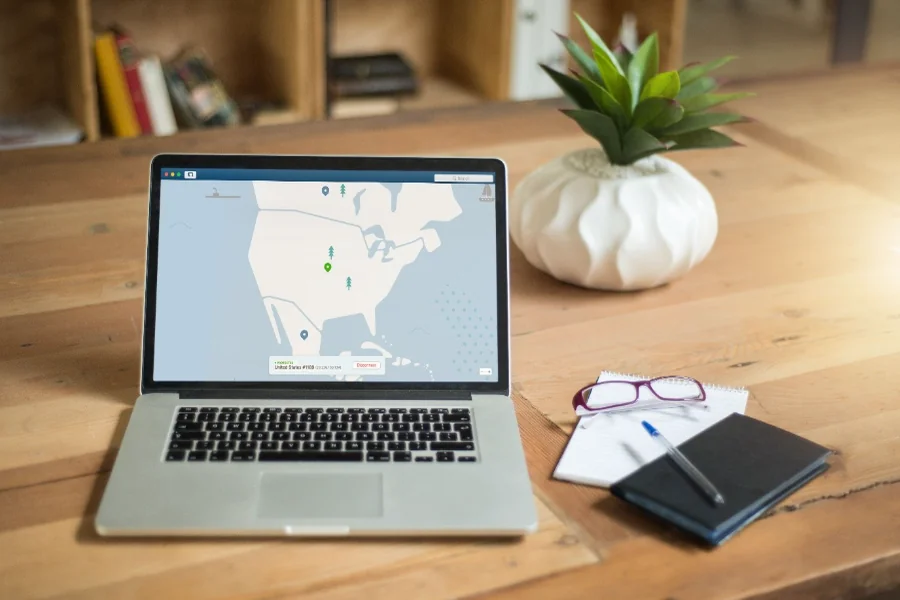

For online gambling to work properly and within the legal confines of legitimacy, it must understand that the world has varying sets of rules. Each country has the right to regulate this industry as it sees fit, and being active on any market comes with obligations.
They can adopt quite a few formats if we’re being completely honest. Some are particularly lenient, others are extremely strict to the point where casino operators, the companies that run these digital platforms, feel like they have no margin for profit.
There are also the highly controversial offshore-licensed casinos that can service multiple jurisdictions around the world, but whose control over their licensees is far from proper. In simple terms, there are tiers of reputation that stem from the accreditations and certifications that drive them.
As a byproduct of this global dynamic, we see georestrictions pop up here and there. They showcase that online casino access depends on location as well, which can be cumbersome for many. That drives players toward leniently licensed offshore operations, as found by Bet Brain via its user database.
In this article, we will explore the entire geolocation phenomenon, as applied in the online gambling world. You’re probably wondering if there’s any way to circumvent it, and you’ll get a conclusive answer to this question as well!
What are georestrictions in a broader sense?
A georestriction protocol is a way in which a digital platform of any kind denies your access on the basis of your location. It does so because it has the legal obligation to only service users from jurisdictions where it has the right licensing to do so, or if its operations support said space.
This restriction has the primary purpose of recognizing whether you are a netizen from a market where they can work it. Alternatively, they need to ensure that your actual real-time location is within the borders of a state that allows it.
Specifically in online gambling, geolocations ensure that you are able to work with the jurisdictions that are within the certifications that it works with. Even when circumvented, identity-related verifications will always clarify if you’re from an accepted space.
The IP you have dictates your compatibility
The first way to understand where the user is requesting access from is the IP. We’re talking about the internet protocol only, since this abbreviation can also refer to intellectual property, and that’s an entirely different subject.
This is the key that allows you to enter a site or a web app. As a result, if the casino’s system spots your IP as being one from a country that it cannot support with its services, you’ll simply encounter a message that tells you that the website is not available in your area.
Some contexts require geolocalization software
There are cases when the IP identification is not entirely effective, mostly because of the VPN phenomenon that we’ll talk about. Instead, the usage of GPS localization, also known as geolocalization, is necessary to ensure that there is no digital trespassing.
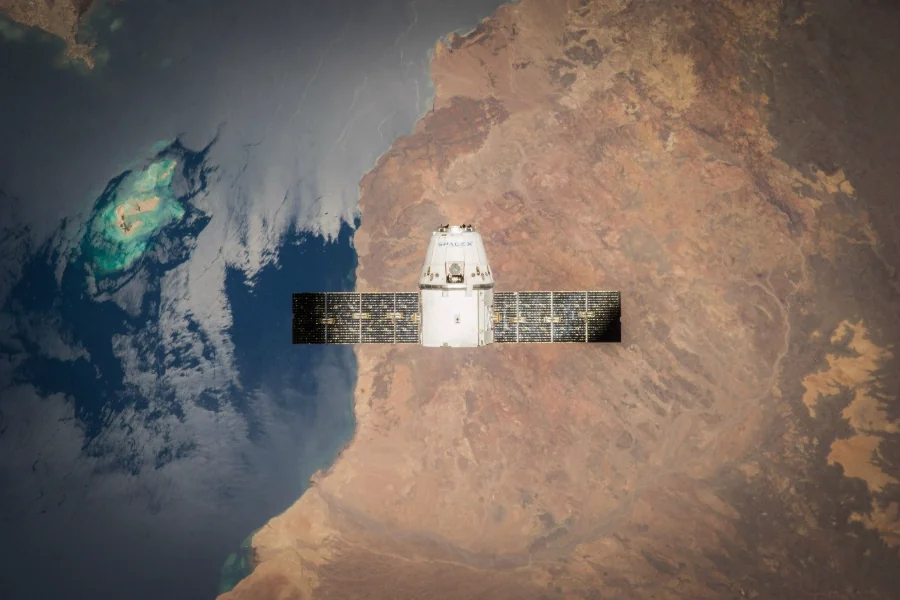
This aspect is a bit tricky because you’d have to provide your consent for location access. For the trilateration process that determines where you are via satellite pinpointing, which is what driving apps and maps do.
To properly counter this, some jurisdictions require the use of specific software that tracks your location in real time. This would allow the casino to ensure that, when using its services, you are within that jurisdiction’s borders, which respects the agreement that binds its licensing. New Jersey-located online gambling platforms do this, for example.
Jurisdictions influence the restrictions
Finding out if you qualify for a casino’s services based on your location is quite simple because of the automated restriction. However, there may be cases when you simply get to enter the casino’s site, but not to actually register or confirm your account, even if you somehow create it.
You just need to consult the site’s terms and conditions and see its restricted country list. If it’s in that list, it means that your access to the site is just a malfunction.
But why do these restrictions appear, as influenced by jurisdiction?
- One reason is the fact that some gambling platforms only operatein local markets. The UKGC, for example, allows its licensees to allow players located and residents of the UK, not others. If you are from anywhere outside of that space, you will find a georestriction.
- Some licenses with offshore programs have limited reach because of two major factors: the local jurisdictionof an authority that is the only one that can provide licenses and collect taxes, and the illegal status of online gambling in that specific country. That’s why offshore casinos cannot allow users from virtually any
- Countries that tolerate these international casinopresences do not accept any license to service their citizens. They can gloss over only based on marketing practices, operational standards, and responsible gambling support.
Is VPN a solution?
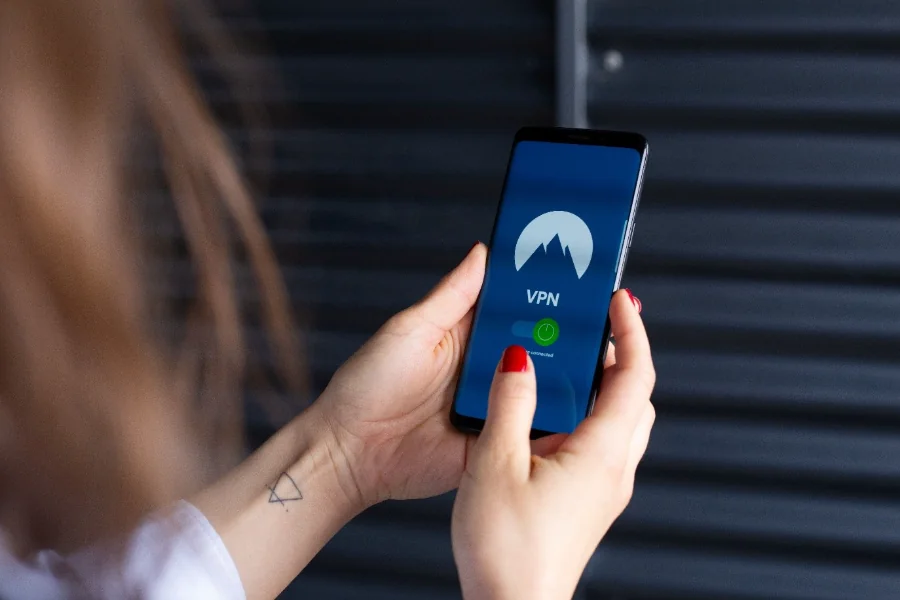
No, it’s not. We’re sorry that you’ve had to read and scroll all the way here to finally get this conclusion. The reason we’ve presented all these details up to this point is to showcase the mechanisms and considerations behind these georestrictions.
Yes, virtual private networks are good for overriding restrictions that you find problematic because, for example, you cannot access an entire streaming library despite the money you’ve paid for a subscription. They also allow you to access websites that provide informative content.
The difference when it comes to online gambling is that it’s a completely different activity: one that requires active expenditures via deposits. Naturally, it also carries a lot of risk because of the financial pressure that it can exert, but also the danger of addiction.
Because VPN usage is so popular and has been associated so much with the idea of trespassing georestrictions, we decided to bring some pointers into the discussion. Namely, we’ll talk about what would be advantageous, and what actually makes it impossible.
Theoretical advantages
- You’dget access to the casino you want. It’s as simple as that. You’d simply boot up a country until you finally find one that works. Alternatively, you could find a specialty review that tells you which jurisdictions work and which don’t, and use that as a reference to select a new IP.
- Bonuses would become available. Ultimately, thisis a major reason why many players want to join a certain gambling platform. This way, any georestricted promotion would be up for grabs.
- Anonymity helps you keep your identity away from the data that you’duse for registration purposes. That’s a leverage point for many clandestine casinos, for example.
The risks and problems caused by VPN realities
The points from above sound attractive, but they’re unrealistic because of the following aspects:
- At some point, you’dhave to complete the KYC verification protocol. It means that, if you want to deposit, use a bonus, and start gaming, you’d need to let the casino know that who you said you are in the registration form is your actual identity. Naturally, proving via this process that you’re not from an accepted jurisdiction will automatically ban you.
- If you use someone else’s identity while trying to gain access via VPN usage, you’dbe committing a crime.
- Should you, somehow, be able to register, deposit, and play, any winnings that require that verification, not to mention the money you deposited, would become null and void. Why risk losing money if the lie will eventually become clear?
Conclusion
That would be all that we had in store for this article. As you’ve seen, georestrictions have legal requirements at their core, and the casino that implements them is simply following the rules.
In the same vein, VPN usage is simply not a solution because it will run into a fundamental hurdle at some point due to the KYC verification. The best way to proceed is to simply go to a casino in your local jurisdiction, if it’s legal, and always gamble responsibly!
