
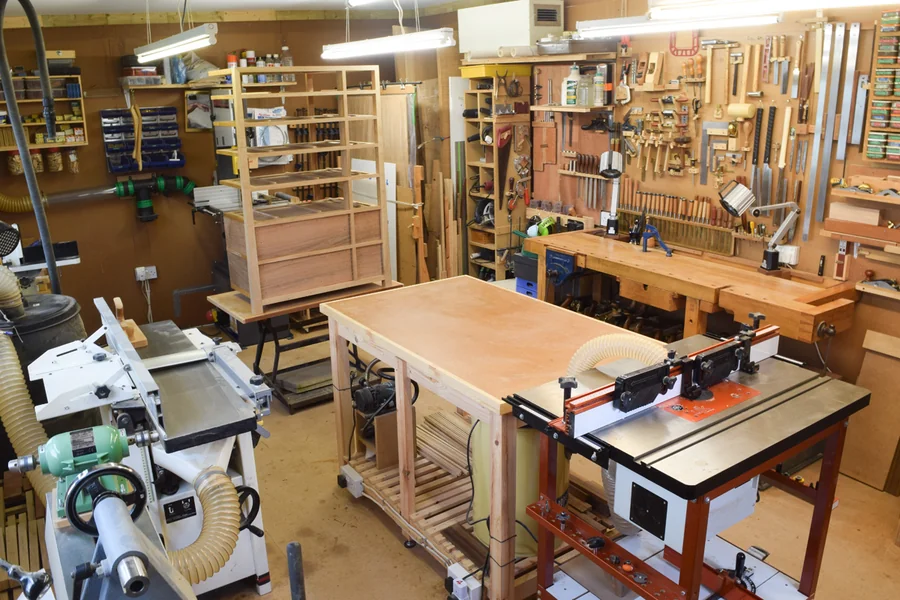
A productive workshop is not only about skill. It also depends on having the right equipment ready before a job starts. Small delays build quickly when tools are misplaced, access under the vehicle is awkward, or the work area is poorly lit. The workshop essentials that save the most time are often the simplest ones because they make routine tasks easier to repeat with less interruption.
Storage That Keeps Tools Within Reach
Time is often lost looking for tools that should be easy to find. A sensible storage setup, such as a roller cabinet, labelled drawers, or a wall-mounted tool board, keeps frequently used items close and reduces unnecessary movement around the workshop. When tools are returned to the same place every time, jobs move more smoothly.
This is also where it helps to source from broad suppliers that cover both parts and workshop basics in one place. Looking through providers like the Rolan Australia range of vehicle parts and workshop gear can make sense when setting up or refining a workshop because it reflects how closely tools, consumables, and replacement parts often work together in real jobs.
Lifting Equipment That Improves Access
Safe and efficient access under a vehicle saves more time than many people realise. A dependable jack, set of axle stands, ramps, or hoist allows work to begin properly instead of wasting time repositioning the vehicle or working around poor access. Even straightforward jobs can drag out when the vehicle is not raised well.
Good lifting equipment also supports better workflow. Whether the task involves brakes, exhaust components, suspension, or fluid checks, easier access underneath the vehicle usually leads to quicker inspections and faster repairs.
Lighting That Reduces Rechecking
Poor lighting slows work because it makes every task harder to judge accurately. Mechanics often spend extra time checking the same area twice, struggling to line up fittings, or missing early signs of wear because visibility is limited. Strong overhead lighting and portable LED work lamps can remove much of that delay.
Better lighting also helps identify faults sooner. Cracks, leaks, worn threads, and loose connections are easier to spot when shadows are reduced, and the work area is properly illuminated. In many cases, good lighting saves time before the repair even begins by making the diagnosis clearer.
Power Tools That Cut Repetitive Work
Powered tools can greatly reduce the time spent on repetitive workshop tasks. Equipment such as an impact wrench, drill, air ratchet, or angle grinder speeds up jobs that would otherwise require much more manual effort. This is especially useful for tasks involving stubborn fasteners or repeated fitting and removal.
The biggest benefit comes from matching tools to the type of work done most often. A workshop focused on everyday servicing may rely more on cordless tools, while heavier repair work may suit pneumatic equipment better. Either way, less repetitive strain usually means faster and more consistent work.
Diagnostic Tools That Reduce Guesswork
A lot of time is wasted not on repairs, but on uncertainty. Basic diagnostic gear, such as scan tools, multimeters, battery testers, and pressure testers, helps confirm faults before parts are removed unnecessarily. That is especially important in modern vehicles, where problems are not always visible.
Using diagnostic tools early helps narrow down the issue and reduces the risk of repeat work. Rather than relying on assumptions, the workshop can move ahead with greater confidence and avoid wasting time on the wrong fix.
Consumables That Prevent Interruptions
Many workshop delays are caused not by missing equipment but by missing small essentials. Gloves, degreaser, rags, lubricants, sealants, brake cleaner, and spare fasteners all help keep a job moving when minor issues appear. A simple shortage can interrupt an otherwise routine repair.
Keeping these items well-stocked also creates a more reliable workflow. Instead of leaving the job halfway through to find a substitute, the workshop can keep moving and deal with small problems immediately.
Where Efficiency Really Starts
The workshop essentials that save the most time are usually the ones that support everyday efficiency. Organised storage, safe lifting gear, effective lighting, reliable power tools, stocked consumables, and basic diagnostics all help reduce delays and keep work flowing. When those fundamentals are in place, even routine jobs become quicker, cleaner, and easier to complete.
