
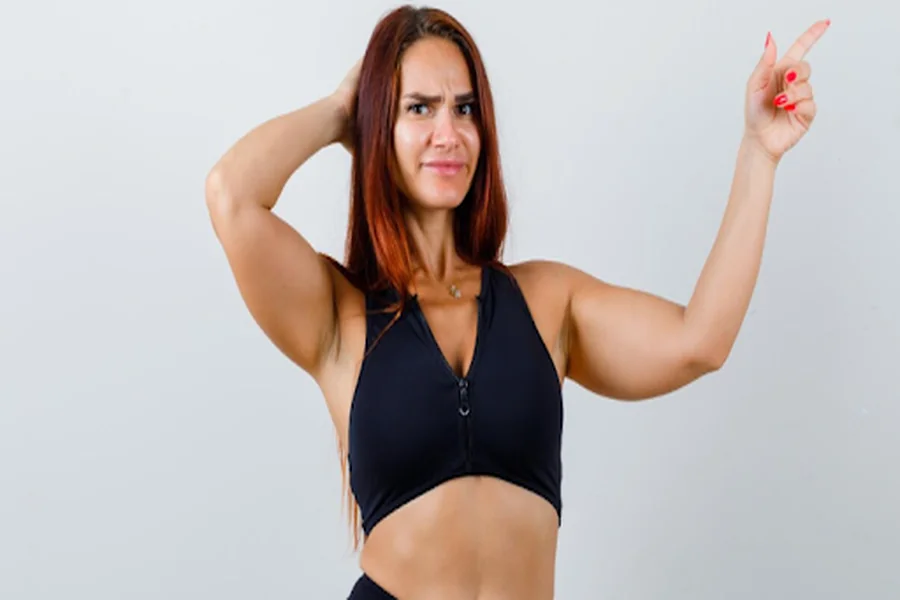

Arm fat, often referred to as “bat wings,” is a common concern for many individuals, affecting self-esteem and overall confidence. While excess fat in the upper arms does not always indicate poor health, it can impact how a person feels in clothing, during workouts, or in social settings. Achieving toned, sculpted arms is more than an aesthetic pursuit; it enhances physical performance, promotes balanced strength, and supports a healthy lifestyle. This article explores the causes of arm fat, outlines practical strategies for reducing it, highlights lifestyle modifications, and delves into professional treatments available today. By understanding both natural and procedural approaches, individuals can make informed decisions to achieve firmer, more defined arms.
Understanding Arm Fat
Arm fat refers to the accumulation of adipose tissue in the upper arms. Its presence is influenced by several factors, including genetics, age, hormonal changes, diet, and activity levels. While some people naturally carry more fat in this area, others may notice stubborn fat that persists despite overall fitness. Genetics plays a critical role in determining where fat is stored in the body. Individuals with a familial predisposition may struggle to tone their arms, even with consistent exercise and a balanced diet. Aging and hormonal fluctuations can also exacerbate fat accumulation, as metabolism slows and the body’s ability to maintain muscle mass declines. Excess arm fat is not merely cosmetic. It can indirectly affect health by contributing to higher overall body fat, limiting mobility, and potentially increasing the risk of metabolic and cardiovascular conditions. Addressing this concern requires a multifaceted approach combining exercise, nutrition, and, when necessary, professional intervention.
Culinary and Nutritional Approaches
Diet is a fundamental component of fat reduction. Modifying eating habits to support metabolism and energy balance is essential for slimming the arms. Balanced meals should include lean proteins, whole grains, healthy fats, and abundant fruits and vegetables. Protein supports muscle repair and growth, whole grains provide sustained energy, and healthy fats promote satiety. Hydration is equally important, as water aids metabolism, curbs appetite, and supports optimal exercise performance. Avoiding processed foods, excessive sugar, and high-fat snacks helps prevent further fat accumulation. Incorporating metabolism-boosting foods, such as green tea, fiber-rich vegetables, and legumes, can enhance fat-burning potential while supporting overall health.
Exercise Strategies for Toned Arms
Physical activity is key to arm fat reduction. Full-body workouts combined with targeted arm exercises maximize calorie expenditure and promote muscle definition. Understanding the anatomy of the arm muscles including biceps, triceps, and deltoids enables more effective exercise selection. Effective exercises include push-ups, tricep dips, dumbbell curls, and resistance band workouts. These movements strengthen the arms, improve muscle tone, and support functional upper-body strength. Consistency is critical. Gradually increasing intensity, resistance, or repetitions ensures continued progress while preventing plateaus. Integrating these exercises into a regular fitness routine reinforces discipline and encourages long-term results.

Lifestyle Modifications
Lifestyle factors significantly impact arm fat reduction. Adequate sleep regulates hormones associated with hunger and metabolism, supporting fat loss efforts. Stress management is equally important; high stress elevates cortisol, which can promote fat storage in the arms and other areas. Eliminating unhealthy habits—such as excessive alcohol consumption, sugary snacks, or sedentary behavior—enhances overall fat reduction. Daily actions, including walking, stretching, and integrating strength exercises, help maintain results and improve overall well-being.
Professional Treatments
For those struggling with persistent arm fat despite consistent diet and exercise, professional treatments provide an effective alternative. Arm Fat Reduction Treatment for Flabby Arms offers advanced, minimally invasive options designed to target stubborn fat in the upper arms. These treatments use specialized technology to break down fat cells, tighten skin, and enhance muscle definition, delivering visible results with minimal downtime. Non-invasive procedures provide a safe, efficient approach for individuals seeking faster outcomes, while surgical options remain available for more extensive fat removal needs. Both approaches have pros and cons, and consulting with professionals ensures safe, tailored treatment plans suited to individual goals.
The Importance of Persistence and Consistency
Regardless of the chosen approach, persistence and consistency are key. Regular exercise, balanced nutrition, and adherence to treatment plans collectively determine the success of arm fat reduction efforts. Even on challenging days, maintaining motivation is critical. Celebrating small milestones, practicing gratitude, and focusing on progress rather than perfection fosters resilience. Over time, these habits lead to sustainable results, improved confidence, and a more toned, sculpted appearance.
Conclusion
Arm fat removal is a journey that blends fitness, nutrition, lifestyle changes, and, when necessary, professional interventions. Understanding the factors that contribute to excess upper-arm fat empowers individuals to adopt effective strategies and make informed decisions about their approach. Consistency in exercise, mindful eating, and targeted treatments can help achieve firmer, stronger arms, while fostering greater self-confidence and overall health. For those seeking advanced solutions, Arm Fat Reduction Treatment for Flabby Arms provides innovative, expert-guided options to complement natural methods. By embracing a holistic approach and staying committed, individuals can sculpt their arms, enhance their physique, and enjoy the benefits of a healthier, more confident lifestyle.
