
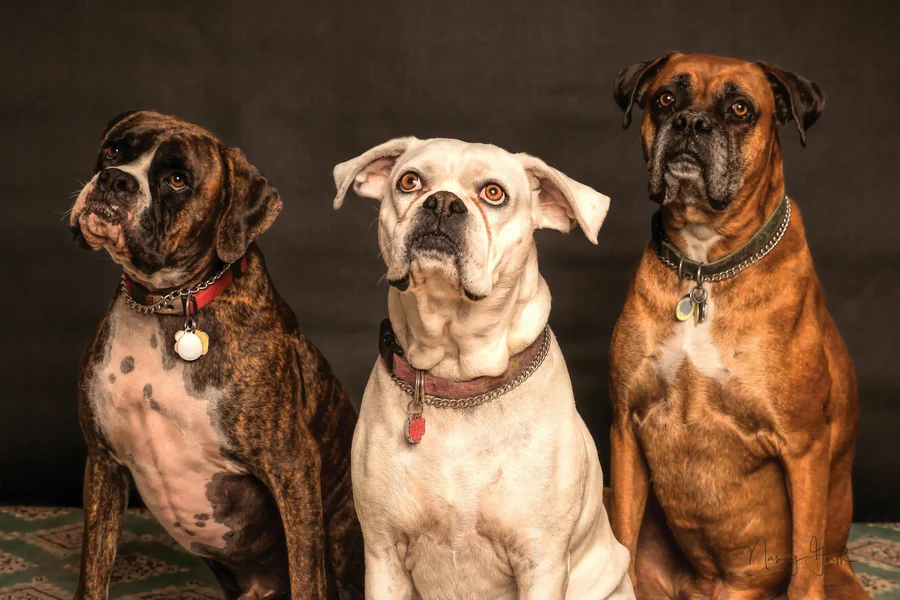

Collars usually get picked based on looks, not function. That’s until it snaps on a walk or your dog slips free from one that never fit or has become loose. But getting the right combination of material, fit, and hardware saves you from a surprise tug and an awkward scramble on the trail.
Small details matter when you balance style with practical features. Smooth edges stop chafing. Solid hardware stays closed when tension spikes. The right width spreads pressure so the neck does not take all the force. You need to first think about what the collar must do for your dog before you chase style, colors, or fancy features.
The Different Collar Types and When to Use Them
Every collar solves a problem. Match the design to your dog’s size, behavior, and the situations you face.
1. Standard flat collars
Flat collars are the everyday choice. They hold ID tags, are easy to put on, and suit dogs that walk calmly. When the band lies flat and the buckle doesn’t rub, the collar can be worn all day without fuss. Dogs that walk calmly and don’t lunge tend to do fine with a plain flat collar
2. Martingale collars
Martingale collars tighten a small amount under pressure and then relax. That helps prevent dogs with narrow heads from slipping out while avoiding constant constriction. For walks where slipping is a risk but you want to avoid harsher tools, a martingale gives more security without continuous pressure.
3. Training collars
Training collars range from head collars that steer the head to slip collars used in controlled sessions. Head collars let you guide where the dog looks and can reduce pulling by redirecting the head. Slip collars tighten with tension and must be used carefully. Such training tools are for short, supervised use during focused sessions rather than all-day wear.
4. Specialized collars
Specialized collars handle specific needs. GPS collars track the location of dogs that roam. Reflective and lighted collars increase visibility on night walks. Each choice adds a particular safety or visibility benefit when regular collars are not enough. While some fancy collars can just add to the charm of your pup.
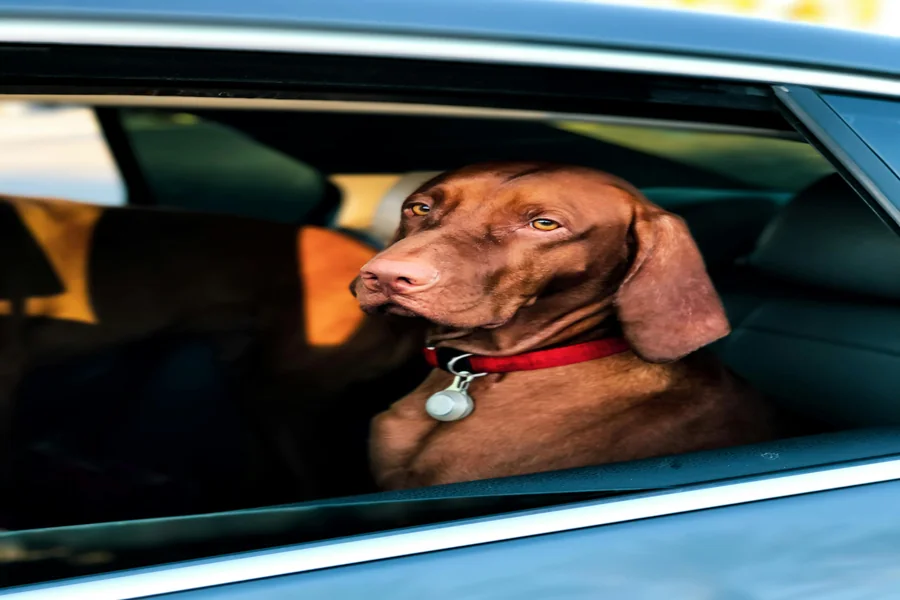
SparkPaws Comfort Control Collar Sets
SparkPaws creates collars that mix comfort and durability with a clean, modern look. Their Comfort Control collar sets often use tough webbing that doesn’t wear out quickly when exposed to daily walks or weather changes.
Reinforced seams keep the band from twisting over time. The padding around the inside helps prevent chafing, a small but welcome thing for dogs with short fur. If your dog puts on a little weight or grows up, there are adjusters that give you room to loosen things up, and the buckles are solid enough to survive a muddy romp without popping open.
Why care about those details? Because flimsy clips fail, and rough materials rub. A strong doggie collar that stays smooth and shares pressure helps your dog relax instead of pawing or yanking. When the hardware stays strong and reliable, you worry less about sudden breaks. SparkPaws focuses on those practical elements, which help owners understand what quality looks like when evaluating any brand.
Other Reputable Collar Options
Several other well-known brands create durable collars that hold up well during daily use. Ruffwear sticks around after a muddy romp. Wild One wins for soft, comfy straps that don’t rub. Blueberry Pet keeps things bright with color options that make matching leashes easy. Each brand solves slightly different problems, which means you can pick what actually fits your dog.
You might find that one brand uses softer webbing while another adds thicker hardware for extra security. These small differences create trade-offs that help you pick the right option without treating any brand as better or worse. It’s simply about what matches your dog’s habits and your routine.
Factors That Matter Most
Material, comfort, hardware, and durability matter most. Nylon bends and washes well. Coated webbing resists water and keeps its shape. Smooth, rounded edges stop rubbing. Padding helps dogs with thin fur. The buckle and D ring should feel solid and show no cracks or bending.
Durability is key for active dogs. A strong doggie collar holds up when tension rises and does not strain at the hardware. Weak closures are a common failure point, so inspect the buckle and stitching where it meets the ring. Looking at these elements together helps you avoid swapping collars every few months.
Choosing the Right Width and Size
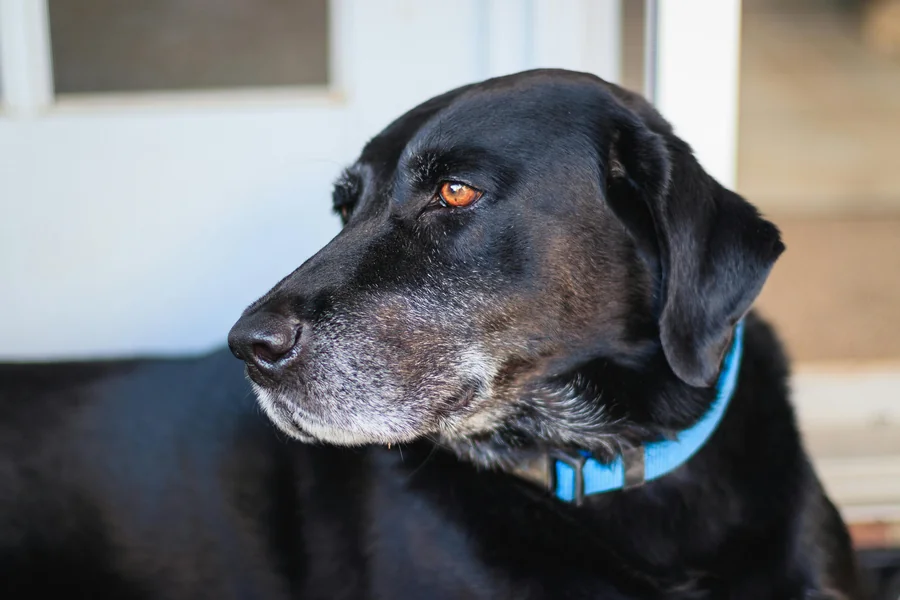
When you test a collar, think like this: tape it on, slide your fingers under the band, and watch how it sits. If it doesn’t dig in and it doesn’t flop, then it’s the right fit. Wider collars spread force and suit larger, stronger dogs.
Narrow collars feel lighter and suit tiny breeds. Puppies also need resizing as they grow, and adult dogs can shift with muscle gain or weight changes. Check the fit now and then to keep things safe.
Maintenance Tips and When You Need to Replace the Collar
You don’t need a fancy collar. Cleaning and regular checks are enough to extend a collar’s life. Also, double-check the ID tag and contact details regularly. A secure tag plus a current microchip make it far more likely you’ll get your dog back if they slip their collar. Small steps like that save huge headaches later and are worth replacing annually.
Conclusion
Done right, the collar makes daily walks safer and a lot more pleasant. Choose a band that fits well for their neck, pick a material and width that suit their size and how they walk, and be sure the buckle feels secure. After those are set, pick a style or color you like. The payoff is fewer slips, less rubbing, and calmer walks.
Happy, safe walking.
