
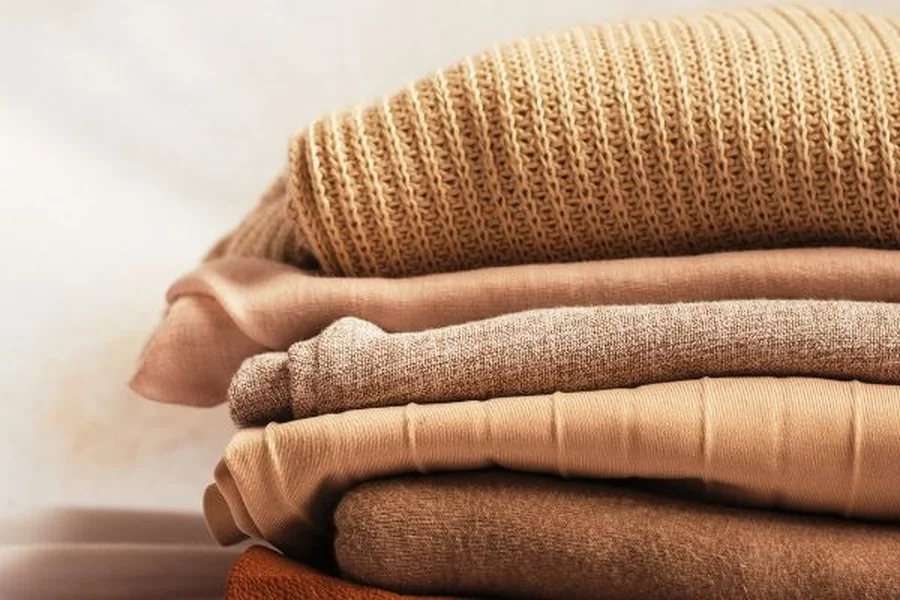
In the world of fashion, the materials we choose for our clothing significantly impact both our personal well-being and the environment. As more consumers turn to sustainable practices, there is a growing interest in natural fabrics that are not only eco-friendly but also comfortable and stylish for everyday wear. Unlike synthetic materials, which are derived from petrochemicals and often harm the planet, natural fabrics come from plants, animals, and even minerals, offering a more sustainable and health-conscious alternative.
In this article, we will explore the best natural fabrics for everyday wear, their unique benefits, and how they contribute to a more sustainable wardrobe. From breathable cotton to durable hemp, these fabrics are perfect for creating comfortable and stylish outfits while also being kind to the environment. Make a statement with Sustainable Celebrity Outfits that are both stylish and eco-conscious.
Organic Cotton: The Everyday Staple
Cotton is one of the most widely used fabrics in the world, and for good reason. It is soft, breathable, and versatile, making it ideal for everyday wear. However, traditional cotton farming involves the heavy use of pesticides, fertilizers, and water, which can have detrimental effects on both the environment and the workers involved. Organic cotton, on the other hand, is grown without synthetic chemicals, making it a far more sustainable choice.
Benefits of Organic Cotton
- Breathability: Cotton is naturally breathable, allowing air to circulate freely, making it a great choice for warmer climates.
- Softness: Organic cotton is incredibly soft against the skin, making it comfortable for all-day wear.
- Durability: High-quality organic cotton is strong and long-lasting, meaning it can withstand repeated washing and wear.
- Sustainability: Organic cotton farming uses fewer resources than conventional cotton, making it a more eco-friendly option.
Whether you’re looking for a simple organic cotton t-shirt, jeans, or bed linens, this fabric remains a top choice for sustainable fashion.
Linen: Perfect for Warm Weather
Linen is another natural fabric that has stood the test of time. Made from the flax plant, linen is highly durable, breathable, and lightweight, making it an excellent choice for hot and humid climates. It has a unique, slightly textured appearance and naturally has a crisp, fresh feel, which makes it a favorite for summer wardrobes.
Benefits of Linen
- Breathability and Moisture-Wicking: Linen is one of the most breathable fabrics available, drawing moisture away from the skin and keeping you cool and dry. This is why linen pants are often a favorite choice for staying comfortable in warm and humid climates.
- Lightweight and Comfortable: The fabric is light yet strong, offering exceptional comfort for all-day wear, even in extreme heat.
- Eco-Friendly: Flax is a hardy plant that requires minimal water and pesticides, making it a more sustainable option compared to other fibers.
- Natural Texture: Linen’s unique, slightly wrinkled texture gives it an elegant yet relaxed aesthetic, making it perfect for both casual and more formal outfits.
A linen shirt, dress, or pants are all excellent choices for the warmer months, as the fabric’s natural properties help keep you feeling comfortable without compromising on style.
Hemp: The Sustainable Powerhouse
Hemp is one of the oldest natural fabrics used by humans, with a rich history that spans thousands of years. It is derived from the hemp plant, a highly sustainable crop known for its fast growth and minimal water and pesticide needs. Hemp is a versatile fabric that is not only eco-friendly but also incredibly durable, making it perfect for everyday wear.
Benefits of Hemp
- Durability: Hemp is one of the strongest natural fibers available, and it becomes softer and more comfortable with each wear.
- Sustainability: Hemp is grown with minimal environmental impact. It requires little water, no pesticides, and can be grown in a variety of soil types.
- Antimicrobial Properties: Hemp naturally resists bacteria and mold, making it a great choice for active wear or clothing worn in humid climates.
- Breathability: Like linen and cotton, hemp is breathable, which helps regulate body temperature.
Hemp is increasingly used in jeans, jackets, and shirts, offering a rugged yet comfortable option for those looking for an environmentally conscious alternative to synthetic fibers.
Wool: Warmth and Versatility
Wool is a classic natural fabric known for its insulating properties and versatility across seasons. Made from the fleece of sheep, wool is a great choice for layering during colder months, but it is also breathable enough to be worn in warmer weather due to its moisture-wicking properties. Merino wool, in particular, is lightweight, soft, and ideal for everyday wear.
Benefits of Wool
- Temperature Regulation: Wool keeps you warm in the winter and cool in the summer, making it an excellent year-round fabric.
- Moisture-Wicking: Wool is naturally moisture-wicking, drawing sweat away from the skin to keep you dry and comfortable.
- Durability: Wool is naturally resilient, resistant to wrinkles, and requires less frequent washing compared to synthetic fabrics.
- Sustainability: Wool is biodegradable and renewable, making it a more eco-friendly choice than synthetic materials like polyester.
Wool sweaters, cardigans, and coats are essential pieces for those living in colder climates, providing both warmth and comfort without sacrificing style.
Silk: Luxurious and Eco-Friendly
Silk is known for its luxurious, soft texture and shimmering appearance. It is made from the fibers produced by the silkworm, and although it has traditionally been seen as an expensive, high-end fabric, it is increasingly being used in sustainable fashion collections. Peace silk, also known as ahimsa silk, is produced without killing the silkworms, offering an ethical alternative to traditional silk.
Benefits of Silk
- Softness and Comfort: Silk has a naturally smooth and soft texture, making it one of the most comfortable fabrics to wear.
- Breathability and Moisture Control: Silk helps regulate body temperature, keeping you cool in the summer and warm in the winter.
- Durability: While silk is delicate, high-quality silk can last for many years with proper care.
- Eco-Friendly: Peace silk is an ethical alternative to traditional silk, produced in a way that does not harm the silkworms.
Silk is ideal for blouses, dresses, and scarves, adding a touch of elegance and comfort to any outfit while remaining a more sustainable option than many synthetic fabrics.
Tencel (Lyocell): A Sustainable Alternative
Tencel, also known as Lyocell, is a fabric made from wood pulp, typically sourced from eucalyptus, beech, or spruce trees. It is an innovative fabric produced through a sustainable closed-loop process, where chemicals used to dissolve the wood pulp are recycled. Tencel is known for its softness, breathability, and moisture-wicking properties, making it perfect for everyday wear.
Benefits of Tencel
- Sustainability: Tencel is produced from renewable resources, and the closed-loop process minimizes environmental impact by recycling water and solvents.
- Softness: Tencel feels incredibly smooth against the skin, often compared to silk in terms of comfort.
- Breathability and Moisture Control: Like cotton and linen, Tencel is highly breathable and excellent at regulating moisture, keeping you comfortable throughout the day.
- Biodegradable: Tencel is biodegradable, meaning it won’t contribute to long-term environmental waste.
Tencel dresses, blouses, and pants are perfect for those looking for sustainable fabrics that combine luxury with environmental responsibility.
Bamboo: Soft, Durable, and Eco-Friendly
Bamboo fabric is made from the pulp of bamboo grass, and it has become increasingly popular in eco-friendly fashion circles. Bamboo is a renewable resource that requires little water, pesticides, or fertilizers to grow. The fabric itself is incredibly soft, breathable, and naturally moisture-wicking, making it an excellent option for everyday wear.
Benefits of Bamboo Fabric
- Softness: Bamboo fabric is incredibly soft, often compared to cashmere in terms of its smooth texture.
- Breathability: Bamboo fabric is highly breathable, making it ideal for warm climates.
- Antibacterial Properties: Bamboo naturally resists bacteria and odors, which makes it an excellent choice for activewear and undergarments.
- Sustainability: Bamboo is a fast-growing plant that requires minimal resources, making it a highly sustainable fabric.
Bamboo fabric is commonly used in t-shirts, leggings, and underwear, offering both comfort and eco-friendliness.
Conclusion: Embrace Natural Fabrics for a Sustainable Future
As the fashion industry moves toward more sustainable practices, embracing natural fabrics for everyday wear offers an easy and effective way to reduce our environmental footprint. From organic cotton to hemp and bamboo, these fabrics are not only better for the planet but also more comfortable and durable than many synthetic alternatives. By making the switch to natural fabrics, you can create a stylish, eco-conscious wardrobe that prioritizes both comfort and sustainability.
