
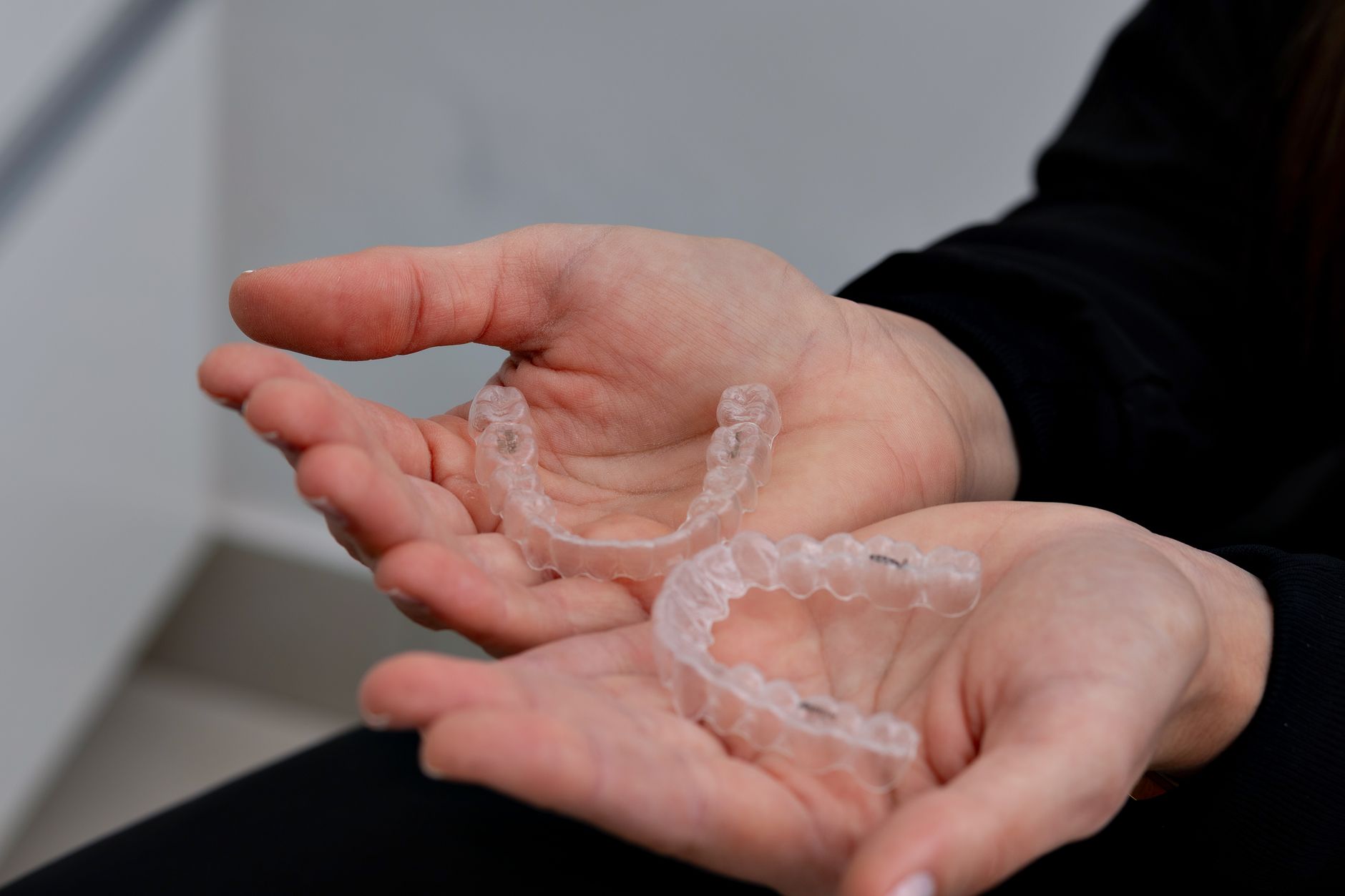

Adults who postponed orthodontic care often want straighter teeth without a long, highly visible commitment. Clear aligner treatment appeals because it fits eating, brushing, work conversations, and photos more easily than fixed hardware. Yet a shorter timeline depends on the dental issue, daily wear, and follow-up habits. Knowing what controls treatment time helps patients set realistic expectations before choosing an orthodontic plan.
Why Adult Cases Can Move Efficiently
An examination identifies whether crowding, spacing, tooth rotation, or bite concerns make trays a good fit. Adults exploring clear aligners in Las Vegas should ask how their individual tooth movements affect the projected schedule. Digital scans map the planned sequence, while the dentist checks gum health and existing dental work before treatment begins.
Clear aligners move teeth through a planned series of small adjustments. Because trays are removable, adults continue normal brushing and flossing without cleaning around brackets and wires. That routine removes a common barrier to orthodontic care: changing daily habits for a visible appliance.
A shorter course is most realistic when the correction is limited and teeth respond as planned. A dentist evaluates the bite, roots, gums, and existing restorations before setting a timetable. Complex bite changes or substantial rotations require more stages and closer monitoring. Straightforward movement plans often need fewer adjustments.
What Actually Determines a Treatment Timeline
Treatment length depends on biology and the amount of movement required, not calendar preference. Teeth need time to shift through bone, and each tray has a defined job. Closing a small space differs from correcting several crowded teeth alongside a bite problem.
A treatment plan also accounts for attachments, which are small tooth-colored shapes that help trays grip selected teeth. Some movements need those extra points of contact for control. If the plan calls for refinements after the first series, those additional trays extend the schedule.
Missed appointments, damaged trays, and delayed replacement sets interrupt the planned sequence. Prompt communication lets the dental team decide whether to pause treatment or move forward. Keep the current tray in place until you receive different instructions, rather than advancing independently.
During reviews, the dentist checks whether each tray seats fully and whether the planned movement is occurring. That check prevents a small fit issue from becoming a longer delay.
Habits That Keep Treatment on Schedule
Trays work only while they are in the mouth, so adherence directly affects treatment time. Removability gives adults flexibility, but it also creates opportunities to forget a tray after coffee, lunch, or a meeting. A simple routine prevents that drift.
These habits keep the plan on schedule:
- Wear trays as directed, removing them only for meals and oral hygiene.
- Return trays to their case whenever they are out of your mouth.
- Gently clean trays and brush your teeth before putting them back in.
- Contact the dentist promptly if a tray cracks, is lost, or no longer fits.
Switching trays without approval does not save time. Each change depends on how the teeth have moved, and a tray that no longer fits needs professional review. Keep prior trays as directed, since they may be useful if a replacement takes time. This prevents unnecessary backtracking in the sequence.
Questions That Clarify the Time Commitment
A consultation should produce more than a general promise of faster treatment. It should identify the movements that take the most time and the habits that protect progress between visits. Clear answers make it easier to compare the expected commitment with your work, travel, and home routine.
Ask these practical questions before committing:
- Which tooth movements determine the length of my plan?
- What happens if a tray is lost or does not fit?
- How often will the dentist review progress during treatment?
- Will I need additional trays after the initial sequence?
Also ask how retainers fit into post-treatment care. Teeth can shift after active treatment ends, so a retainer plan protects the alignment achieved. Knowing that responsibility before beginning prevents an incomplete view of the total commitment.
That discussion also clarifies how a retainer supports the result after active tray wear ends. It gives patients a complete schedule for long-term alignment maintenance.
Conclusion
Adults seeking a shorter orthodontic commitment should begin with an examination that separates simple alignment concerns from complex bite work. Bring questions about daily wear, check-in visits, and the retainer plan to that appointment. The clearest next step is a written treatment outline that explains the expected sequence, personal responsibilities, and reasons the schedule could change after care begins.
