
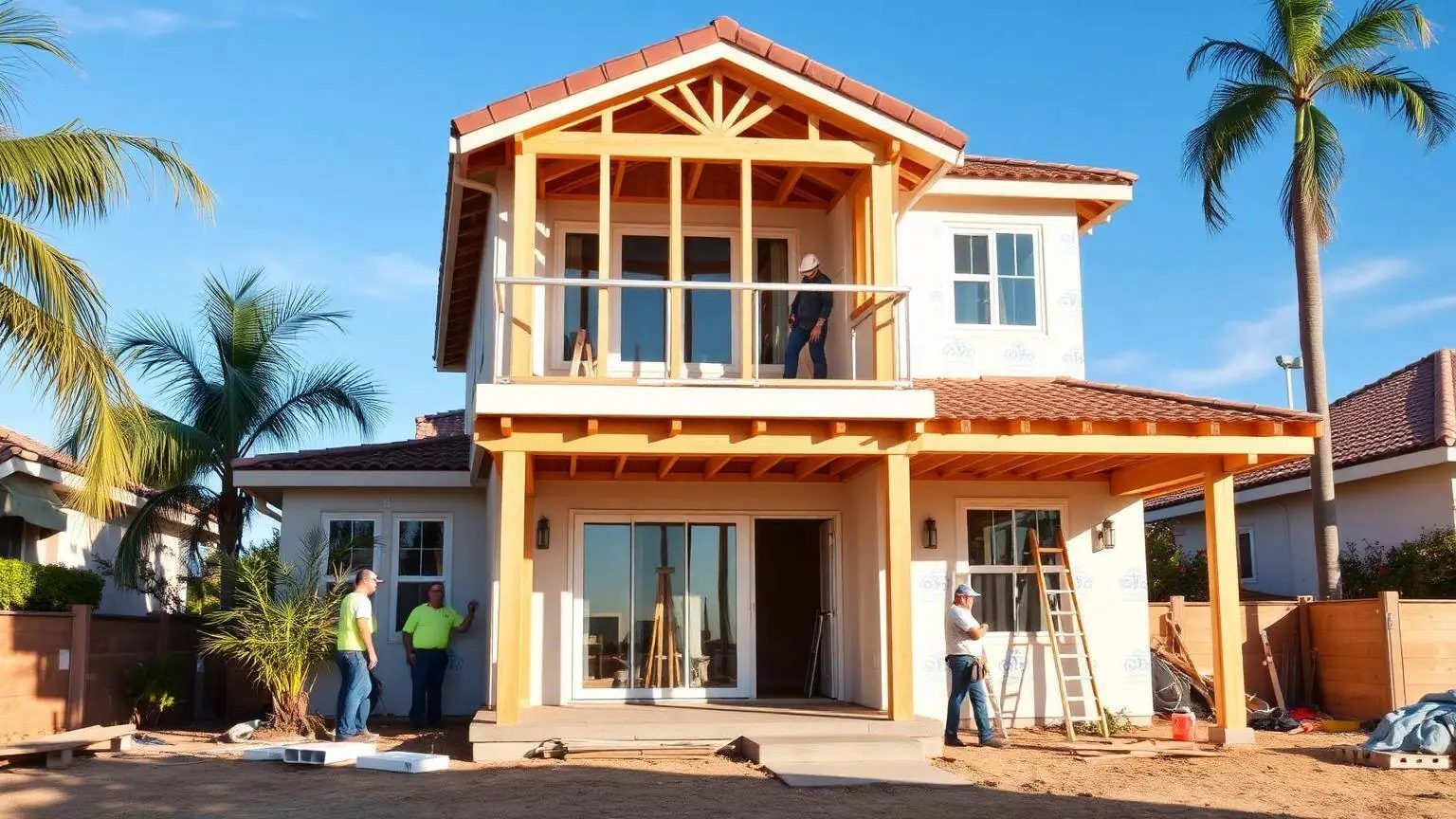

Choosing between moving to a bigger house and improving an existing one can be difficult. For families that need extra space, home addition services offer a way to create more room without leaving a familiar neighborhood. However, moving may be a better choice when a property cannot meet a family’s changing needs. Comparing the costs, benefits, and challenges of both options can help homeowners make a sensible decision.
Why Do Homeowners Need More Space?
A house that once felt spacious may become crowded as life changes. A growing family might need another bedroom, while adults working from home may want a quiet office. Extra storage, a larger kitchen, or a more comfortable living room can also make daily life easier.
Location is another important factor. A home near schools, parks, shops, and workplaces can offer convenience that may be difficult to find elsewhere. Moving could mean leaving behind familiar neighbors and spending more time traveling each day. For this reason, homeowners should consider whether their current property can provide the space they need before deciding to relocate.
What Are the Benefits of Moving to a Bigger House?
Moving can provide a fresh start and access to a property that already has the required space. A larger house might include additional bedrooms, bigger bathrooms, a spacious kitchen, or a garden for family activities. It may also offer a layout that better suits changing needs.
However, the purchase price is only one part of the total cost. Buyers may also need to pay legal fees, closing costs, moving expenses, and money for repairs or furniture. These extra expenses can make moving more expensive than expected.
A new property may also be located farther from work, school, or family members. Moving can still make sense when the current house has serious space limits or the family wants a different location. The key is to compare the full cost with the benefits of starting somewhere new.
How Can Expanding the Current Home Help?
Expanding an existing property can create more living space while allowing homeowners to remain in a familiar area. Depending on the available land and building structure, an addition may provide another bedroom, a home office, a larger living area, or a space for guests.
Before starting a project, homeowners should consider the purpose of the new space. A family that needs another bedroom may require a different design from someone who wants a larger kitchen or a quiet workspace. A clear plan helps ensure that the addition serves a real need instead of simply making the house bigger.
Is Expanding a Home Always Cheaper?
Adding space may cost less than buying another property, but this is not always the case. The final cost depends on the project’s size, materials, labor, design, and the condition of the existing building. Major structural changes or difficult site conditions may increase the budget.
Before expanding your home, homeowners should compare a detailed construction estimate with the total cost of purchasing another property. This comparison should include moving expenses, closing costs, repairs, and other fees that could affect the final decision.
It is also wise to set aside money for unexpected expenses. Construction projects can uncover problems that were not visible at the beginning. A realistic budget and professional guidance can help reduce surprises and keep the project manageable.
Can a Home Addition Increase Property Value?
Extra space can make a property more useful and appealing to potential buyers. An additional bedroom, a practical home office, or a larger living area may attract people looking for a comfortable home with room to grow.
However, an addition does not guarantee a higher resale price. Its effect on property value depends on local demand, construction quality, the design, and the amount spent. An improvement that suits the neighborhood and meets common buyer needs may offer greater benefits than an expensive feature with limited appeal.
Homeowners should focus on improving everyday comfort rather than relying only on future resale value.
How to Choose the Right Option
The decision should begin with a clear list of current and future needs. Homeowners should consider how much extra space is required, whether the existing property can accommodate it, and how long they plan to stay.
Next, both options should be compared financially. Moving may be suitable when a different location or a completely new layout is needed. Expanding may be more practical when the current neighborhood is ideal and the property has enough room for construction.
Construction time, household disruption, local building rules, and available funds also matter. Speaking with qualified professionals and obtaining accurate estimates can help homeowners understand what is possible before making a commitment.
Making the Right Choice
Moving to a bigger house and expanding an existing property can both solve space problems. The better option depends on the household’s budget, location preferences, and future plans. By comparing the full costs and practical benefits, homeowners can choose a solution that provides the space and comfort they need without unnecessary expense.
