

A bathroom should be practical, comfortable, and easy to maintain. It is one of the first rooms people use in the morning and often the last one they visit before bed. However, an outdated layout, limited storage, poor lighting, or worn fixtures can make daily routines more difficult than they need to be. A renovation gives homeowners the chance to fix these problems while creating a space that suits their needs and personal style.
Good bathroom renovations involve more than choosing new tiles and tapware. The layout, plumbing, waterproofing, lighting, ventilation, and storage all affect how the finished room looks and performs. Taking time to plan these details can help homeowners avoid unnecessary costs and make better decisions throughout the project.
Start With the Problems You Want to Solve
Before looking at design ideas, consider what is not working in your current bathroom. Perhaps the vanity does not provide enough storage, the shower feels cramped, or several people need to use the room during the morning rush. Identifying these issues helps establish clear priorities for the renovation.
For a family bathroom, durable surfaces and enough storage may be more important than decorative features. A couple renovating an ensuite might prefer a larger shower, better lighting, or a double vanity. In a smaller home, making the most of limited floor space could be the main concern.
It is also worth deciding whether the existing layout can stay or whether moving plumbing fixtures would make a meaningful difference. Keeping the toilet, shower, and vanity in their current positions may help control costs, while changing the layout can improve access and usability when planned properly.
Choose Materials That Suit Your Lifestyle
Bathroom materials need to handle moisture, regular cleaning, and everyday use. A finish may look appealing in a showroom but become difficult to maintain if it does not suit the household’s needs.
Porcelain and ceramic tiles are common choices for bathroom floors and walls because they come in a wide range of colours, patterns, and sizes. When selecting floor tiles, check their suitability for wet areas and consider slip resistance. Large tiles can create a cleaner visual appearance, although the best option depends on the room’s dimensions and the floor’s drainage requirements.
Tapware, shower screens, vanities, and basins should also be chosen with maintenance in mind. For example, a vanity with drawers may provide easier access to everyday items than a cupboard with a single shelf. A frameless shower screen can make a room feel more open, but regular cleaning will still be needed to manage water marks and soap residue.
Choosing materials that balance appearance, durability, and cleaning requirements can help the bathroom remain practical long after the renovation is complete.
Make Better Use of Small Bathroom Spaces
A small bathroom can feel crowded when the fixtures take up too much floor space or the storage is poorly planned. However, a complete change in size is not always necessary to improve the room.
A wall-hung vanity can expose more of the floor, creating a sense of openness while providing useful storage. Recessed shelving in suitable locations can keep toiletries organised without adding bulky furniture. A well-positioned mirror can also help reflect light and make the room appear larger.
Lighting plays an important role in compact bathrooms. General ceiling lighting provides overall visibility, while suitable lighting around the mirror helps with tasks such as shaving and applying makeup. If the room has a window, the design should make good use of natural light while maintaining privacy.
Before finalising the design, check that doors can open properly and that there is enough room to use the shower, vanity, and toilet comfortably. A good layout should make daily movement easier rather than simply fitting more features into the space.
Do Not Overlook Waterproofing and Ventilation
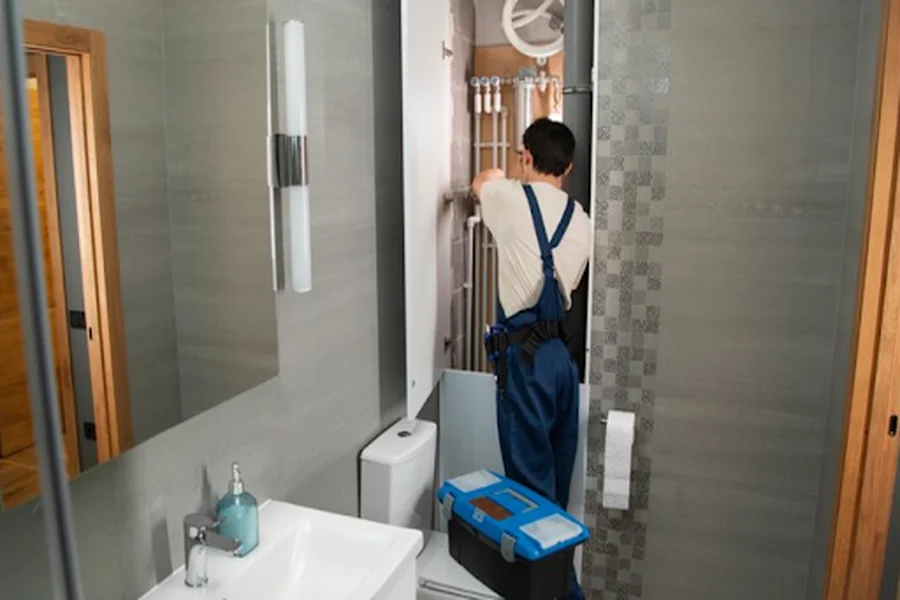
The parts of a bathroom hidden behind tiles and fixtures are just as important as the visible finishes. Waterproofing helps protect the building from water entering walls and floors, while proper ventilation reduces moisture that can contribute to mould and damage.
Waterproofing work should be completed by appropriately qualified professionals and comply with the applicable Australian requirements. The installation must suit the bathroom’s design, including areas around showers, floor junctions, and other locations exposed to water.
Ventilation is another essential consideration, especially in bathrooms with limited natural airflow. An appropriately selected exhaust fan can help remove humid air after showers. Without effective ventilation, condensation may build up on mirrors, ceilings, and walls, making the room harder to keep clean.
These parts of a renovation may not be immediately visible, but they can have a major effect on the long-term condition of the bathroom. It is better to address them properly during the project than to deal with avoidable repairs later.
Set a Realistic Budget Before Work Begins
The cost of a bathroom renovation depends on several factors, including the room’s size, the condition of existing plumbing, the amount of structural work required, and the materials selected. Replacing fixtures in their current positions may cost less than changing the entire layout or upgrading older plumbing.
Homeowners should request a detailed written quote that explains the work included, the materials covered, and any potential additional charges. It is also sensible to allow a contingency for unexpected problems, particularly in older homes where hidden water damage or deteriorated plumbing may only become apparent after demolition.
Empire Bathrooms provides renovation services across Sydney, including design consultations, material selection, construction, and finishing work. Its website outlines a process that includes planning, a written quote, selecting fixtures and finishes, and coordinating the renovation through to handover. Reviewing the proposed scope and timeline before committing can help homeowners understand what to expect.
Comparing quotes is useful, but the cheapest option is not always the best value. Clear communication, appropriate licences, workmanship, waterproofing arrangements, and written warranties should all be considered when choosing a renovation company.
Plan for the Disruption at Home
Even a well-organised renovation can affect everyday routines. If the property has only one bathroom, homeowners may need to arrange temporary alternatives while the work is underway. Families should also consider where materials will be stored and how workers will access the property.
Discussing the schedule with the renovation team helps set realistic expectations. Ask when demolition will begin, how long the bathroom may be unavailable, and how updates will be communicated if the plan changes. Confirming these details early can reduce confusion once work starts.
It is also helpful to make major design decisions before construction begins. Changing tile selections, fixtures, or layouts after installation has started can create extra costs and delays. Finalising the important details in advance gives the team a clearer plan to follow.
Create a Bathroom You Can Enjoy for Years
A successful renovation should make the bathroom easier to use, not simply give it a different appearance. Practical storage, suitable lighting, reliable waterproofing, and quality installation all contribute to a room that works well over time.
For Sydney homeowners considering an upgrade, Empire Bathrooms offers a starting point for exploring design options and understanding the renovation process. Taking time to discuss requirements, review materials, and confirm the scope of work can make it easier to choose a solution that fits the home and budget.
With careful planning and realistic expectations, a bathroom renovation can improve daily routines and make better use of the available space. The most effective design is one that looks good, meets the household’s needs, and remains practical long after the work is finished.
