
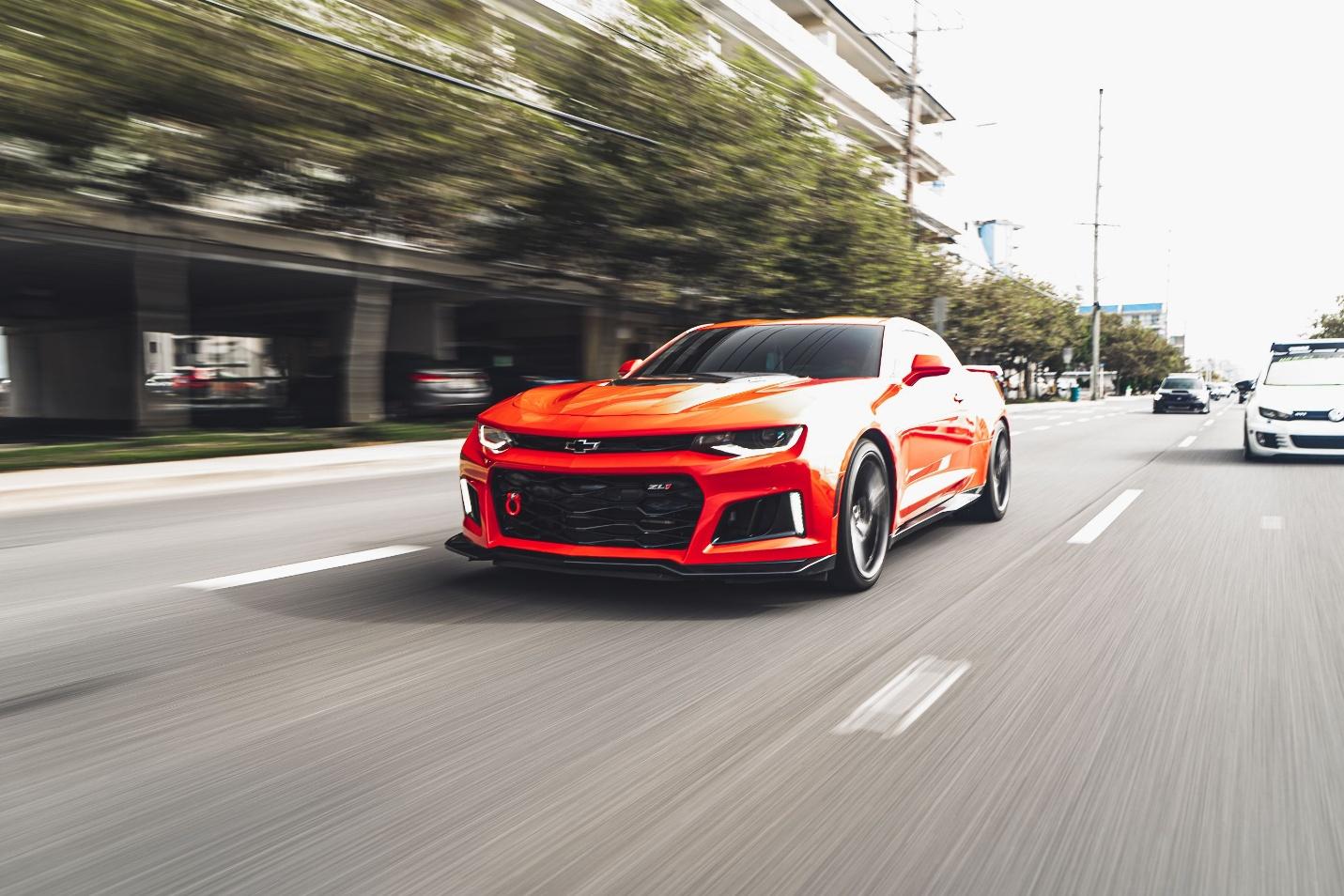

A vehicle’s performance is often reduced down to its horsepower, its acceleration times, and top speeds. These figures however only reveal part of everyday performance. Power matters, yet so does traction, braking, suspension, weight, maintenance, and the choices made by the driver. Ignoring them can limit a powerful vehicle.
Tires Determine How Performance Reaches the Road
Every input a driver puts into the vehicle like steering, braking and accelerating, must pass through the tires before the action reaches the pavement. Their condition influences responsiveness, stability, and predictability. A strong engine cannot deliver useful acceleration without traction, while worn tread can undermine braking.
Tire design also affects performance at higher speeds. A driver understanding tire speed ratings helps drivers identify whether a tire is engineered to manage the heat and forces associated with a particular maximum speed. The rating should meet or exceed the vehicle manufacturer’s specification, even if that limit is never approached. It indicates suitability, not a target speed.
Pressure is equally important. Underinflation can create excess heat, while overinflation may reduce contact quality. Drivers should check pressures when the tires are cold and follow the values on the vehicle’s doorjamb label or in the owner’s manual. Regular rotation, alignment checks, and tread inspections help preserve consistent performance across all four corners.
Suspension Controls More Than Comfort
Suspension is sometimes viewed mainly as a comfort feature, but it plays a central role in keeping the vehicle composed. Springs, dampers, bushings, and control arms help maintain contact between the tires and road as the vehicle encounters bumps, corners, and changes in weight distribution.
Worn shocks or struts may allow excessive body movement, reduce stability during emergency maneuvers, and make braking feel less controlled. Modified suspension can improve certain characteristics, but lowering a vehicle or fitting stiffer components without considering geometry may create new compromises. A successful setup should reflect real driving needs.
Braking Depends on the Complete System
Large brake calipers often attract attention, yet braking performance depends on the condition of the entire system. Pads, rotors, fluid, hoses, electronic controls, and road grip all contribute to the result. Old brake fluid can absorb moisture over time, which may reduce resistance to heat during repeated hard braking.
Drivers should pay attention to vibration, pulling, unusual noises, or a change in pedal feel. These symptoms can indicate wear. Prompt inspection protects safety and helps maintain confidence, especially when the vehicle is carrying passengers or traveling at highway speeds.
Weight Changes Every Response
Added weight influences acceleration, cornering, fuel economy, and stopping distance. Roof boxes, equipment, and cargo can also alter the vehicle’s center of gravity or aerodynamic drag. The effect becomes clearer during quick maneuvers or emergency braking.
Load placement matters as much as the total amount. Heavy items should be secured and positioned according to manufacturer guidance. Drivers must also respect the vehicle’s payload rating, which includes occupants and cargo rather than luggage alone. Exceeding that limit can place additional strain on the tires, suspension, and brakes.
Maintenance Preserves Designed Performance
A vehicle gradually loses capability when routine maintenance is postponed. Incorrect engine oil, clogged filters, worn spark plugs, weak batteries, or degraded transmission fluid can affect efficiency and response. Warning lights matter because modern vehicles rely on electronic controls.
Maintenance should follow the manufacturer’s schedule. Driving conditions matter too. Short trips, towing, dust, and extreme temperatures may require extra attention. A well-maintained vehicle is more likely to deliver the balance of performance, reliability, and efficiency its engineers intended.
Together, these checks help turn available power into controlled, usable performance without placing unnecessary strain on other vehicle components.
The Driver Connects Every System
Technology has the ability to improve traction and a vehicles response limit, but a drivers behavior remains decisive. Smooth steering, progressive braking, and thoughtful acceleration help the vehicle use its available grip. Selecting an appropriate drive mode can refine throttle or transmission behavior, though no setting can overcome poor maintenance or unsuitable road speed.
Vehicle performance is a connected system rather than a single impressive figure. When tires, suspension, brakes, weight, maintenance, and driver inputs work together, the result is not merely greater speed. It is a vehicle that responds predictably, uses its power effectively, and delivers confidence across changing conditions.
