
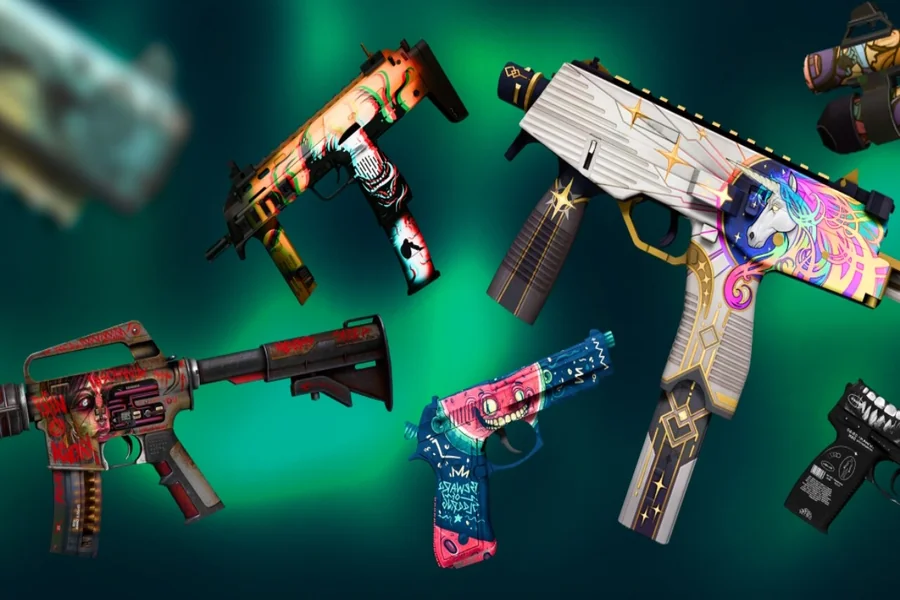

Counter Strike 2 has introduced updated graphics and mechanics, but one familiar element still sits at the heart of its culture: skins. These colorful weapon finishes began as pure customization, then quietly evolved into something much bigger. Today, many players treat skins almost like casino chips, turning cosmetic items into an informal currency for wagering within the gaming world.
From Cosmetic Add On To Collectible
To understand how CS2 skins became so influential, it helps to go back to their roots. When skins first appeared in the Counter Strike series, they were presented as purely visual upgrades. A player could equip a different pattern or finish on a favorite weapon, creating a personal style that stood out in crowded lobbies and esports broadcasts.
That customization quickly became part of a player’s identity. Certain patterns looked cleaner on stream, some finishes matched team colors, and others were used by high profile competitors in tournaments. The moment a skin appeared in a big match, interest rose. This attention set the stage for skins to be treated less like simple color swaps and more like collectible items with perceived value.
How Scarcity And Rarity Drive Value
CS2 skins are not created equal. Some can be opened from cases relatively often, while others appear rarely or are tied to older collections that are no longer widely available. This scarcity matters. Players learned that a combination of drop rates, wear levels and unique pattern variations could make certain skins significantly more desirable than others.
Over time, communities built pricing guides, trading forums and showcase galleries. Private negotiations between collectors became common, and it was no longer unusual to hear about a single item being swapped for several others. This organic marketplace, shaped by player demand and perceived prestige, turned skins into assets that could be compared, priced and traded on a large scale.
Why Skins Became A Betting Currency
Once skins carried recognizable value among players, it was almost inevitable that they would be used for more than decoration. In the wider gaming scene, wagering on match outcomes and game
related mini experiences has long had a devoted following. Skins provided a convenient way for players to participate using something already stored in their game inventory.
Today, many viewers understand that rare skins can stand in for traditional stakes. Communities discuss odds, potential returns and collections in the same breath. Around this culture, dedicated resources such as skin gambling guides and explainers help people understand how these item
based activities function, which types of games exist and how players value different skins as part of their overall hobby.
The appeal is clear. Skins are familiar, they are already earned or purchased within the game, and they can be moved between players. Over time, they began to act like chips in a shared language, allowing participants to compare wagers, talk about wins and losses and build narratives around their inventory in a more playful way than simple numbers on a balance sheet.
How CS2 Mechanics Support This Economy
CS2 did not set out to create a financial ecosystem, yet several of its core systems naturally encourage one. First, there is the case opening structure. Players know that a single case could contain a basic item or a highly coveted pattern. This element of chance keeps interest high and fuels discussion around odds, rarity tiers and the thrill of discovering something special.
Second, the game allows trading between accounts, subject to platform rules. This means a skin can change hands repeatedly, moving from a casual player to a dedicated collector and eventually into the hands of someone who views it as a stake for future activities. As each trade happens, informal price signals form, reinforcing the idea that skins can be treated like units of value.
Finally, the constant flow of new collections and special editions keeps the ecosystem fresh. Whenever CS2 introduces a new set of designs, collectors reconsider their current holdings, sometimes trading older items to chase the latest trend. This ongoing churn helps maintain liquidity in the skin market, which is an important backdrop for any wagering activity that relies on these items.
Legal And Cultural Perspectives Worldwide
Because skins can be traded and used as stakes, they sit in a complex space between entertainment, collecting and more formal gambling activity. Different regions view this space in different ways. In the United States, for example, the use of skins in wagering is often considered within existing gambling frameworks, and interpretations can vary between states and types of platforms involved.
Culturally, opinions are also varied. Some players see skins mainly as extensions of fashion and self expression. Others focus on collecting rare patterns or building inventories as if they were modern card collections. For another group, the most interesting part is the thrill that comes when those same inventory items are used in competitive side experiences connected to matches, tournaments or custom game modes.
Esports has played a big part in this evolution. Whenever a professional player uses a standout skin during a crucial round, interest in that item can surge. Limited edition skins linked to events or competitive achievements often become long term favorites among fans. The more emotionally attached players feel to a skin or a collection, the more natural it becomes to use those items as stakes in friendly or formal wagering environments.
What This Means For The Future Of CS2
The fact that CS2 skins act as an informal betting currency says a lot about modern gaming culture. Players no longer interact with games only through the matches themselves. They build collections, analyze markets, watch streams, discuss strategies and take part in item based wagering that sits alongside the core shooter experience.
Looking forward, it seems likely that skins will remain central to how fans engage with Counter Strike. New finishes and collections will continue to shape conversations, collectors will keep tracking rare drops and communities will explore fresh ways to use items in creative wagering formats. For many, that blend of play, collecting and item based stakes is exactly what makes the CS2 ecosystem feel lively and worth following.
In the end, CS2 skins show how cosmetic items can grow into something much more significant than a simple paint job. They connect players across regions, fuel stories around unforgettable drops and clutch rounds and provide a flexible currency that underpins a whole world of side activities. Anyone curious about how modern gaming economies work will find plenty to explore in the evolving story of skins and their role in today’s betting culture.
