


High-performance outdoor apparel relies on advanced fabric technologies to withstand harsh environments while keeping the wearer comfortable. Whether it’s protection from wind and rain, moisture management, or thermal insulation, the right materials make all the difference. From technical shells to breathable base layers, every fabric is chosen to support performance, durability, and freedom of movement.
The Role of Performance Fabrics in Outdoor Environments
Outdoor environments can be unpredictable, with changing weather, rough terrain, and varying activity levels. That’s why the fabrics used in outdoor clothing need to do much more than just cover the body, they must actively support comfort, movement, and protection. Whether it’s hiking, climbing, cycling, or just spending time outside in colder seasons, performance fabrics help regulate body temperature, manage sweat, and shield against elements like wind, rain, or snow.
Modern outdoor apparel is designed with layered systems in mind. The base layer, typically made from moisture-wicking and quick-drying materials like merino wool or technical polyester, helps keep the skin dry. Mid-layers, often made of fleece or lightweight insulation, trap warmth without adding too much bulk. Outer layers, such as waterproof jackets and windbreakers, are built from breathable yet protective fabrics that resist harsh weather while allowing airflow to prevent overheating.
Across all these layers, the key is balance between warmth and ventilation, between protection and flexibility. Today’s consumers expect outdoor wear to be both functional and comfortable during active movement. That’s why fabric choice has become central to how brands design garments: it directly affects how a jacket performs on a mountain trail or how a pair of pants feels during a windy bike ride. As outdoor activities become part of daily life for more people, performance fabrics continue to evolve to meet both everyday and extreme conditions.
Advanced Technologies for Waterproofing, Wind Resistance, and Insulation
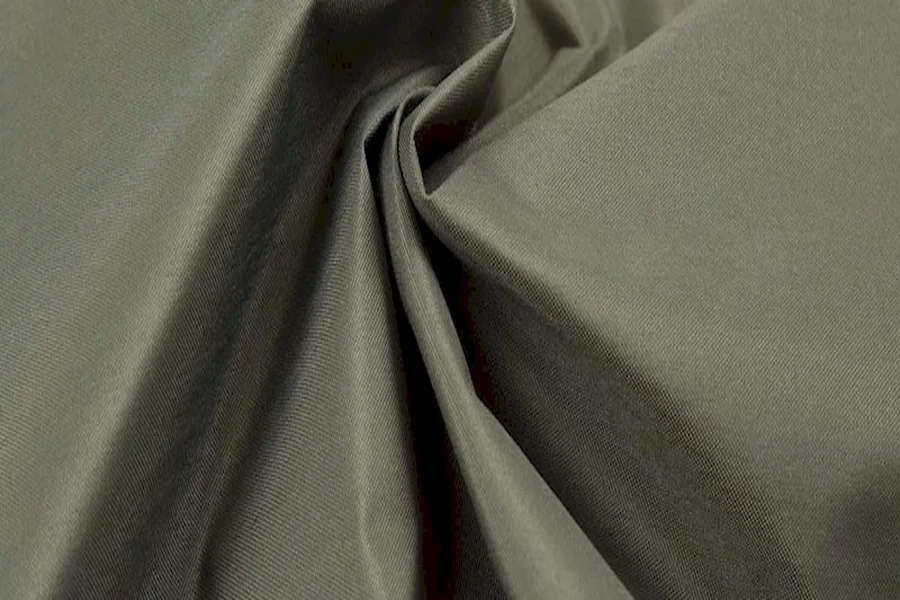
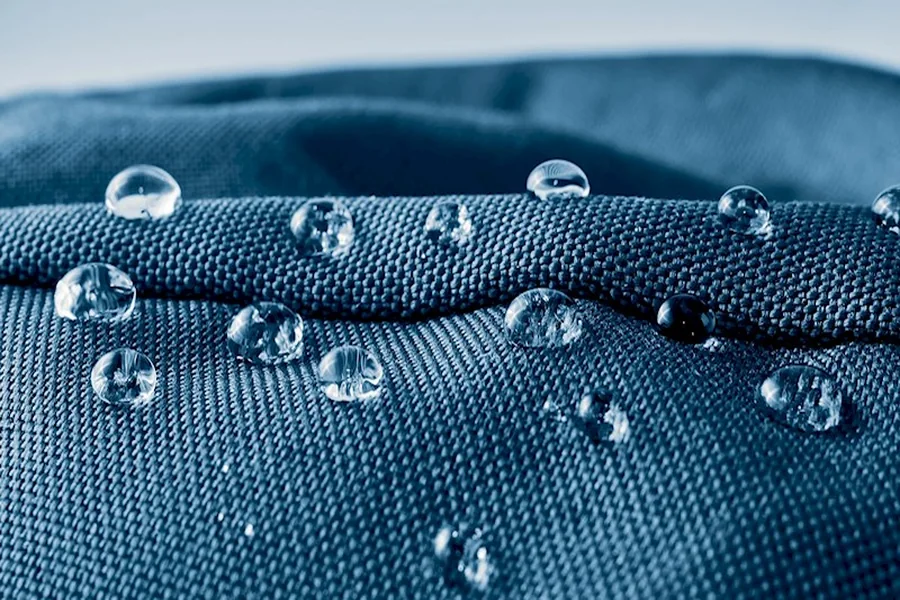
To withstand rain, snow, and freezing winds, outdoor garments rely on a combination of laminated membranes, DWR coatings, and insulating materials that work together as a protective barrier. Waterproof-breathable membranes such as GORE-TEX®, eVent®, Pertex® Shield, and Dermizax™ feature microporous structures that block water from entering while allowing perspiration to escape. These membranes are often bonded to durable outer layers and reinforced at seams with taped or welded construction to ensure full weather protection in rain jackets, mountaineering shells, and ski pants.
Wind resistance is equally important, especially in alpine or open-terrain conditions. Lightweight, tightly woven materials like ripstop nylon, Windstopper®, or softshell fabrics are used in trail-running jackets, cycling outerwear, and climbing layers to prevent windchill while maintaining breathability during high-intensity movement.
When it comes to insulation, performance apparel uses advanced fill materials like Primaloft®, Polartec® Alpha®, or hydrophobic goose down. These insulations retain warmth even when wet and are strategically zoned in parkas, insulated vests, and hybrid jackets for efficient body heat retention without excess bulk.
Many of these materials also come with internationally recognized certifications to ensure safety, sustainability, and reliability, which is why they are increasingly adopted by ethical clothing manufacturers committed to responsible production and long-term environmental standards. For example:
- bluesign® certification ensures responsible chemical use and environmental compliance.
- OEKO-TEX® Standard 100 guarantees the fabric is free from harmful substances.
- RDS (Responsible Down Standard) ensures that down insulation is ethically sourced.
- PFC-free DWR options are increasingly common, reducing environmental impact without sacrificing water repellency.
By combining advanced material science with certified performance standards, brands create outdoor gear that offers serious protection—without compromising comfort, mobility, or eco-responsibility.
Design and Manufacturing Processes That Maximize Durability and Function
To withstand the wear and tear of rugged use, garments are built using multilayer fabric construction that combines different materials for strength, breathability, and protection. This engineering-driven approach to garment construction is not limited to outerwear – even a professional underwear manufacturer applies the same principles of seam strength, material bonding, and long-term comfort, albeit in a lighter and more skin-sensitive context. For example, outer layers may feature abrasion-resistant nylon with an inner waterproof membrane, while soft linings provide next-to-skin comfort. This layered approach ensures performance without sacrificing comfort or flexibility.
Reinforced seams are another critical feature. High-stress areas such as shoulders, knees, and underarms are often double-stitched or bar-tacked to prevent tearing, especially when carrying heavy backpacks or during intense motion. In waterproof garments, fully taped or welded seams are used to prevent leaks, making them essential in rain jackets, snow gear, and expedition outerwear.
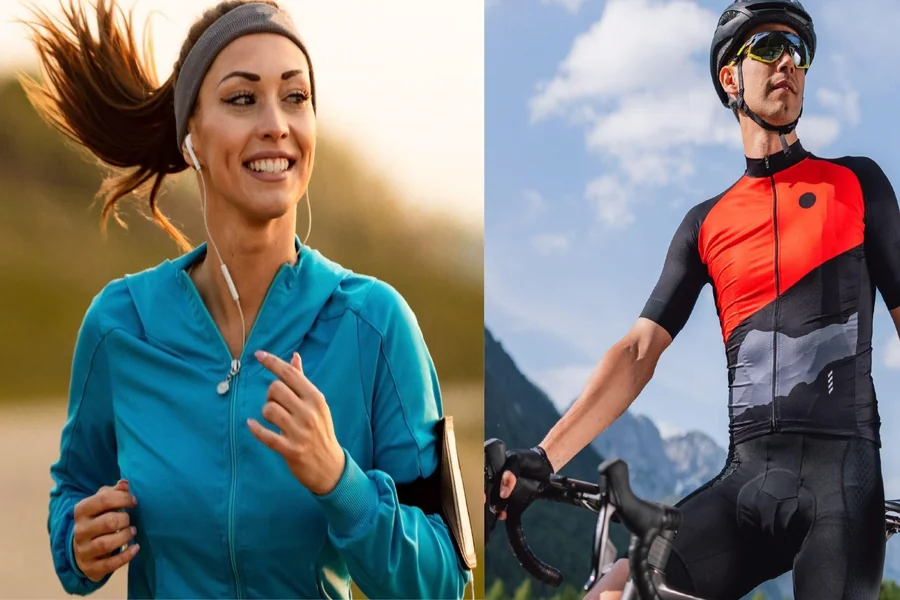
Details like water-resistant zippers, storm flaps, and adjustable cuffs or hem cords also enhance the garment’s ability to block wind and moisture. These components are chosen not just for function but for longevity, with zippers that glide smoothly even in cold conditions and closures that withstand repeated use.
From concept to final product, every design decision is tested against real-world demands. Field testing, lab durability checks, and material stress analysis help ensure the gear will hold up in harsh environments whether it’s mountaineering, trekking through rainforests, or long-term use in urban commuting.
In summary, high-performance outdoor apparel is the result of thoughtful fabric selection, smart construction, and precise manufacturing, a concept also explored in industry insights from ceosmagazine.com. From moisture-wicking base layers to weatherproof outer shells, every detail is designed to support comfort, protection, and durability – no matter the environment.
