
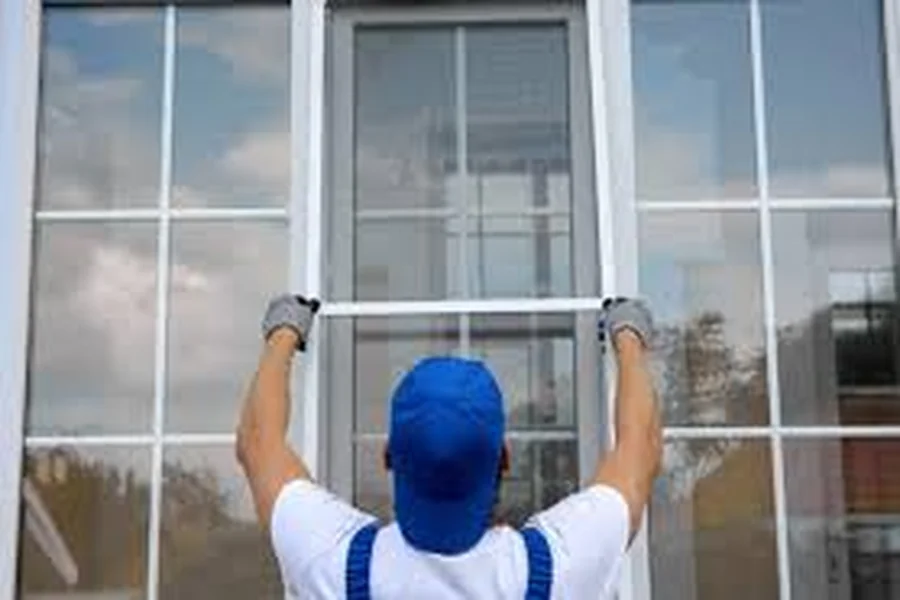

The Replacement of windows in a property represents a major investment that directly affects comfort and energy efficiency. Proper preparation is essential to ensure the work proceeds without unnecessary delays or complications. A well-organized approach aids in reducing stress and helps achieve the best result for a home or business. Let’s explore the essential steps for planning a successful window renewal.
Define Project Scope and Goals
Before soliciting estimates, clearly define the project’s requirements, focusing on the desired aesthetic and functional outcomes. This comprehensive initial assessment, which includes the entire Window Replacement Process, sets the foundation for accuracy in budgeting and material selection. A clear goal streamlines discussions with professionals and keeps the project focused.
The selection of window type, frame material, and glass package should align with a property’s architectural style and climate needs. Different frame materials, such as fiberglass or vinyl, offer varied levels of insulation and maintenance requirements. Deciding on features like low-emissivity (Low-E) coatings may help improve the energy performance of the finished installation.
Establish a Realistic Budget
Setting a practical budget early in the planning phase is crucial for a financially sound project. The total cost includes the price of the new units, as well as labor, removal, and disposal fees for the old frames. Remember to allocate a contingency fund, typically 10 to 15 percent, for unexpected issues that might arise during the removal phase.
When reviewing quotes, ensure all specifications and warranties are clearly itemized, confirming they match your defined project scope. Selecting a high-quality product, even if the initial outlay is higher, often leads to lower energy bills and greater long-term return. Focus on the value provided by the materials and the experience of the installation crew. Quality workmanship and superior products aid in ensuring the windows perform as expected for decades.
Select the Right Partner
Look for firms with a strong local reputation, extensive experience, and proper licensing and insurance credentials to protect the investment. A knowledgeable partner helps with advice on local building codes and permits, which often vary by jurisdiction. They can also offer expert guidance on specific product lines that best match performance and long-term aesthetic criteria.
Verify Credentials and Experience
Before committing to a contractor, verify their professional track record through client testimonials and reviews. Inquire about the manufacturer certifications they hold, as this confirms their familiarity with specific product lines and installation best practices. A trusted team aids in guaranteeing the correct installation of every unit, which is paramount for warranty.
Prepare the Installation Area
Proper site preparation significantly reduces installation time and minimizes disruption inside and outside the property. Inside, clear furniture, window treatments, and breakable items away from the immediate work area to allow the crew full access.
- Confirm all necessary building permits are secured before the start date.
- Arrange a place for the crew to park their vehicles and store materials securely.
- Establish a communication plan with the site supervisor for daily updates.
- Discuss the planned cleanup schedule and debris removal procedures in advance.
Final Review and Inspection
As the installation approaches completion, perform a detailed final inspection to ensure the finished work meets all agreed-upon standards and quality expectations. Check every unit to confirm smooth operation, including the locks, cranks, and tilt mechanisms, confirming proper functionality and airtight sealing. Obtain all final documentation from the installer, including warranties for both the products and the labor, which should be kept in a safe place. Discuss any required maintenance or cleaning procedures for the new glass and frame materials.
Planning a window renewal is a multi-step process that demands thoughtful organization, but the long-term benefits are substantial. Successfully completing the rigorous Window Replacement Process results in improved energy savings, enhanced curb appeal, and increased property value. By diligently following these planning steps, property owners set themselves up for an efficient and rewarding home improvement experience.
