
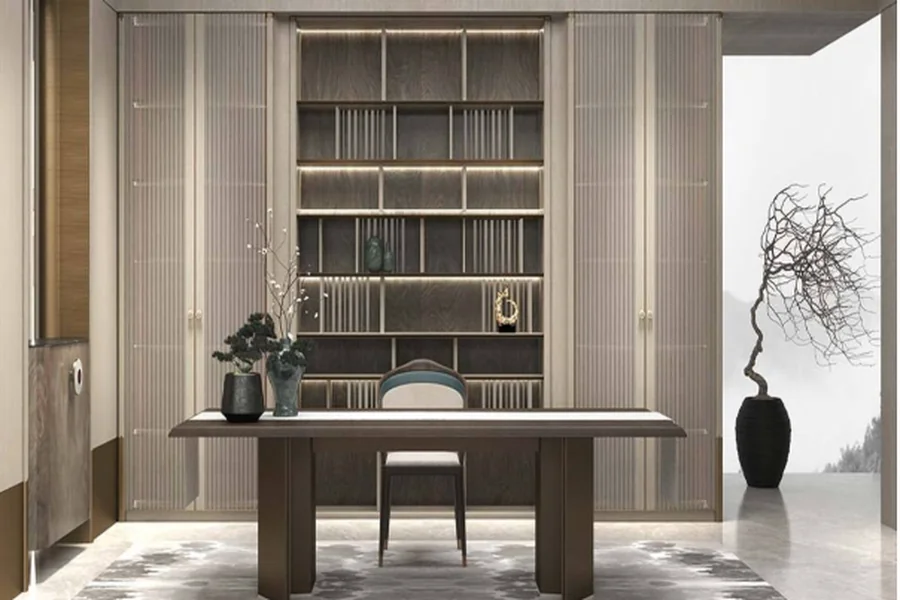

We’re all searching for a little peace these days, aren’t we? In our hyper-connected world where notifications never stop and work follows us home on our phones, creating a sanctuary within our living spaces isn’t just nice—it’s necessary for our wellbeing. As someone who’s spent over a decade helping clients transform chaotic spaces into calm retreats, I’ve seen firsthand how minimalist principles paired with Zen philosophy can dramatically change how we experience our homes.
Understanding Zen Design Philosophy
Before we jump into furniture and layouts, let’s get clear on what we’re really talking about. Zen design isn’t just “Asian-inspired decor” (a misconception I hear all the time). It’s a deliberate approach rooted in Buddhist principles that emphasizes simplicity, natural elements, and mindful curation of space.
At its core, Zen spaces aim to reduce visual and mental noise. They create room for thought, for breath, for simply being. This doesn’t mean your space needs to feel cold or empty—quite the opposite. The minimalism in Zen spaces should feel warm, intentional, and deeply personal.
Start With a Clean Canvas
I know it sounds obvious, but you’d be surprised how many people try to create a “Zen makeover” without first addressing the fundamental issue of clutter. You simply cannot create a peaceful space when surrounded by excess.
Begin with a serious decluttering session. Be ruthless, but also mindful. The Japanese concept of “tokimeku” (often translated as “spark joy”) provides a useful framework—keep only what genuinely brings you joy or serves clear purpose. Everything else? Thank it and let it go.
By the way, this doesn’t mean you need to become a hardcore minimalist overnight. I still have my collection of art books that probably exceeds “minimalist standards,” but they bring me genuine inspiration and joy, so they stay. It’s about intentionality, not deprivation.
Choosing Furniture: Form, Function, and Feeling
When selecting furniture for a Zen-inspired space, three principles should guide you:
- Low-profile designs that create a sense of groundedness and space
- Natural materials that connect you to the earth
- Clean lines without unnecessary ornamentation
In my experience, the most successful Zen spaces feature furniture that almost seems to disappear—not because it lacks character, but because it harmonizes so perfectly with the space that it doesn’t demand attention.
Platform beds exemplify this concept beautifully. Without the visual bulk of a traditional bed frame and headboard, a low platform bed creates a feeling of openness while keeping you literally closer to the ground—a subtle but powerful reminder of our connection to the earth.
For living spaces, look for seating with simple, clean profiles. OPPEIN offers several minimalist furniture lines that embody these principles perfectly—their floating cabinets and integrated storage solutions are particularly effective for maintaining clean lines while addressing practical needs.
The Power of Negative Space
Here’s where many people struggle—embracing emptiness. In interior design, we use the term “negative space” (or “ma” in Japanese design) to describe the empty areas between and around objects. These spaces aren’t really empty; they’re purposeful breathing room that allows the eye and mind to rest.
Think about it like music—the pauses between notes are as important as the notes themselves. Without those pauses, you’d just have noise.
I once worked with a client who insisted her living room felt “unfinished” despite having beautiful furniture pieces. The issue wasn’t what was missing—it was that there wasn’t enough missing. We removed about a third of her accessories, created deliberate empty spaces on her walls and surfaces, and suddenly the room felt complete.
Natural Elements and Materials
Bringing nature indoors is central to creating a Zen atmosphere. This connection manifests through:
- Materials: Choose wood, stone, bamboo, cotton, and other natural fibers
- Plants: Select a few meaningful specimens rather than many small ones
- Water: Consider a small fountain for gentle sound and movement
- Light: Maximize natural light and supplement with warm, diffused artificial lighting
Foshan furniture manufacturers have really perfected the art of combining traditional woodworking techniques with modern minimalist design. I recently specified several pieces from a Foshan workshop for a client’s meditation room—the joinery was impeccable, with hand-cut mortise and tenon connections that eliminated the need for visible hardware. Beautiful craftsmanship that speaks for itself without shouting.
Color Theory for Serenity
The color palette for a Zen space typically draws from nature—think stone, sand, earth, and muted greens. That doesn’t mean your space must be beige! I find that soft, desaturated colors work beautifully in Zen-inspired rooms.
Try pairing warm whites (never stark white—too clinical) with subtle natural tones. If you crave more color, introduce it thoughtfully through one or two accessories or a single statement piece of art.
What about black? Used sparingly as an accent, black creates powerful punctuation points that can actually enhance the sense of calm through contrast—just as in traditional ink wash paintings.
Lighting: The Most Overlooked Element
Nothing undermines a peaceful space faster than harsh overhead lighting. Layer your lighting sources instead:
- Ambient lighting provides general illumination
- Task lighting serves specific functions like reading
- Accent lighting highlights architectural features or art
Natural light should dominate whenever possible. For artificial lighting, opt for fixtures that either disappear into the architecture or stand as intentional design elements. Avoid fussy or ornate styles.
Textiles: Thoughtful Touches
Textiles offer the opportunity to add warmth without clutter. Choose natural fibers like linen, cotton, and wool in solid colors or subtle patterns. When patterns are used, they should be organic rather than geometric—think ripples in sand rather than bold stripes.
Limit the number of throw pillows and other textile accessories, but choose each with intention. One perfectly weighted, beautifully crafted throw blanket can add more to your space than five average ones.
Personal Touches: Mindful Curation
A true Zen space reflects its inhabitant. This is where “curated minimalism” comes in—the selective inclusion of items with genuine meaning.
You know those “mindfully curated” shelves you see in magazines? The trick isn’t finding the perfect designer accessories—it’s displaying only what genuinely matters to you, and giving each item enough space to be appreciated.
For my own home, I rotate a few treasured objects seasonally rather than displaying everything at once. Right now, my shelf holds just three items: a stone from a meaningful hike, a ceramic vessel made by a friend, and a small brass sculpture I found while traveling. Three months from now, it will hold different treasures.
Final Thoughts
Creating a Zen-inspired space isn’t about following strict rules or achieving some picture-perfect ideal. It’s about crafting an environment that allows you to feel present, at ease, and connected to what matters.
The beauty of minimalist principles is their flexibility—they can be applied to any aesthetic preference, from warmly rustic to sleekly contemporary. The common thread is intentionality, simplicity, and a deep respect for the power of space itself.
Remember, your home should be your sanctuary. In a world that constantly demands more—more productivity, more consumption, more attention—creating a space that celebrates less might be the most revolutionary act of self-care you can practice.
