
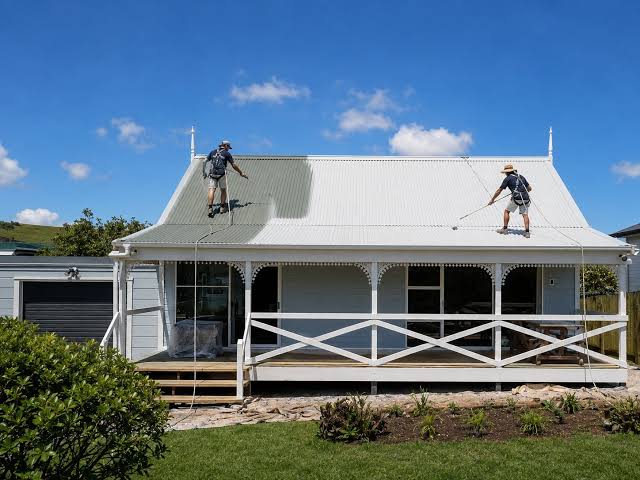

Northland’s coastal climate puts more pressure on exterior paint than a sheltered inland setting. Salt air, strong sunlight, heavy rain, humidity, and wind all affect how you prepare a surface and which coating system suits it. A durable result starts with reading the site, not applying the same method everywhere. These five weather factors explain what careful exterior work in Northland involves.
1. Salt Air Demands Thorough Surface Preparation
Salt carried inland from the coast settles on cladding, joinery, trims, and metalwork. That residue can reduce adhesion and encourage corrosion, especially around exposed fixings and areas where water collects. A painter must remove surface contaminants before applying primer or paint.
Homeowners comparing painters in Northland should ask how the team will prepare coastal surfaces before work begins. A proper plan includes washing, rinsing, drying, scraping loose material, and checking for rust or damaged coatings. Paint applied over salt, chalking, or flaking layers will not provide a dependable finish, regardless of its colour.
2. Strong Sunlight Changes Colour Selection
Northland receives intense sunlight, and ultraviolet exposure gradually breaks down binders and fades some colours. Dark shades absorb more heat, increasing movement in certain materials and putting extra stress on the coating. The painter therefore considers the building’s orientation, cladding type, and surrounding shade before recommending a colour.
Match Colour With Exposure
A north-facing wall receives different conditions from a shaded elevation under trees or a covered veranda. View colour samples on the actual building at different times of the day. The finish also matters: a suitable exterior coating helps manage routine fading and keeps the surface easier to clean.
3. Humidity Affects Drying and Adhesion
Moisture in the air slows evaporation and keeps surfaces damp after rain, overnight condensation, or washing. If paint goes on before the substrate is dry, the coating can lose adhesion, develop defects, or trap moisture beneath the film. A painter must judge the wall itself, not rely on a clear-looking sky.
This approach changes the work schedule. Exterior painting may need to pause after rain or begin later in the day once morning moisture has cleared. Porous timber, masonry, and previously weathered surfaces each hold water differently, so preparation and drying time must match the material.
4. Wind Influences Access and Application
Coastal wind carries salt, dust, leaves, and fine debris onto wet paint. It also creates practical risks around ladders, scaffolding, elevated work platforms, and loose coverings. A painter needs to assess wind direction and strength before starting each exposed elevation.
Wind affects spray work most visibly, but it also disturbs brushed and rolled finishes. Protect open windows, nearby vehicles, garden furniture, and outdoor areas from airborne droplets. On a breezy site, controlled application and smaller work areas help prevent debris from becoming trapped in the coating.
5. Heavy Rain Tests the Whole Coating System
Northland’s sudden downpours can expose weak points in exterior work, including open joints, cracked sealant, damaged timber, and poorly covered edges. Paint can’t fix a leaking detail or a substrate that stays saturated. A sound job begins with an inspection that separates painting needs from repair needs.
Before work starts, check the following areas:
- Roof edges and fascia boards where runoff reaches the wall.
- Window sills and frames that hold water after rain.
- Decks, steps, and railings exposed to repeated wetting.
- Sealant joints around penetrations, trims, and exterior fixtures.
The coating system must also suit the surface and exposure. Primer helps manage porous or repaired areas, while compatible topcoats protect the prepared substrate. Good painters record defects, explain required repairs, and avoid sealing moisture beneath a new finish.
Inspect the Surface Before Painting
A close inspection also reveals whether previous paint has failed due to weather exposure or a deeper maintenance issue. Look for powdery residue, bubbling, peeling edges, mould growth, swollen timber, and rust around metal components. Treat each defect properly before applying a new coating.
The painter should also check areas hidden from direct view, such as behind downpipes, beneath eaves, and around outdoor lights. These spots often receive less sunlight and dry more slowly after rain. Cleaning, sanding, replacing damaged sealant, or allowing timber to dry can prevent early failure. Clear preparation notes make the quote easier to compare and reduce surprises during the project.
Conclusion
Northland’s coastal weather makes exterior painting a process of timing, preparation, and material selection. Salt deposits, ultraviolet light, humidity, wind, and rain each create a different risk, so the same specification will not suit every property. Before accepting a quote, ask how the painter will assess exposure, prepare the surface, schedule drying, and protect vulnerable details. That conversation often predicts the quality of the finished work.
