
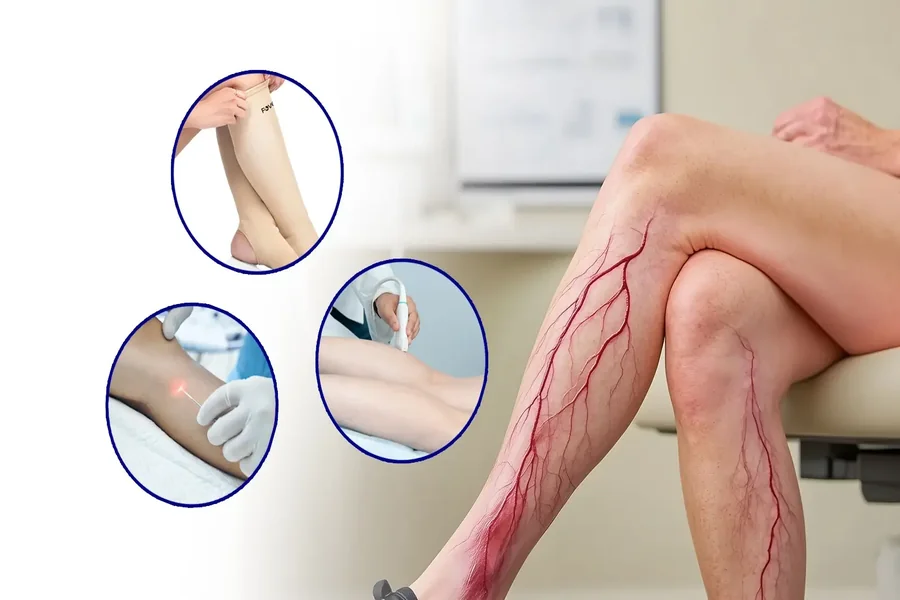

Varicose veins can affect our daily lives, causing discomfort and unwanted changes in appearance. They’re not just a cosmetic issue—they can also signal deeper circulatory problems that deserve our attention. As we explore effective ways to treat varicose veins and boost our circulation, it helps to understand the full range of options available to us.
From at-home remedies and dietary adjustments to advanced medical procedures, there are many ways to find relief and improve vein health. With trusted providers like Metro Vein Centers, individuals can also access safe, modern treatments designed to address both symptoms and underlying causes.
In this text, we’ll guide ourselves through these treatment options, empowering us to make informed decisions and take meaningful steps toward healthier veins and better overall circulation.
Understanding Varicose Veins
Common Symptoms and Causes
Varicose veins are swollen and enlarged veins that often appear blue or dark purple. They typically develop in the legs and can cause several symptoms:
- Swelling in the legs and ankles
- Aching or heavy feelings in the legs
- Itching around the veins
- Muscle cramping at night
- Skin changes or ulcers near varicose veins
These symptoms arise because the veins have weakened walls and valves that allow blood to flow backward, pooling in the veins.
Risk Factors for Developing Varicose Veins
Several factors can increase our likelihood of developing varicose veins:
- Age: As we age, our veins can lose elasticity.
- Gender: Women are more likely to experience varicose veins due to hormonal changes.
- Pregnancy: Increased blood volume and hormonal shifts can lead to vein enlargement.
- Family History: genetics plays a crucial role in our susceptibility.
- Obesity: Additional weight can put pressure on our veins.
- Sedentary Lifestyle: Lack of movement can hinder circulation, raising our risk.
Effective At-Home Remedies
Lifestyle Changes for Improved Circulation
Adopting healthier habits can greatly impact our vein health. We recommend:
- Regular Exercise: Physical activity helps strengthen the calf muscles, promoting better circulation. Walking, swimming, and cycling are excellent choices.
- Elevating Our Legs: Elevating our legs above the heart level can ease pressure on our veins.
- Maintaining a Healthy Weight: Keeping our weight in check reduces the strain on our veins.
Compression Therapy: How It Works
Compression therapy involves wearing specially designed stockings that apply pressure to the legs. This helps:
- Reduce swelling
- Assist blood flow
- Prevent new varicose veins from forming
We suggest starting with a moderate compression level and consulting a doctor for personalized recommendations.
Dietary Adjustments to Support Vein Health
A balanced diet can play a pivotal role in managing varicose veins. By focusing on:
- High-Fiber Foods: Foods rich in fiber, such as fruits, vegetables, and whole grains, can prevent constipation, a factor that exacerbates varicose veins.
- Flavonoids: These antioxidants are found in foods like berries, citrus fruits, and dark chocolate, helping to strengthen blood vessels.
- Hydration: Drinking plenty of water and low-sodium diets can help maintain vascular health and reduce swelling.
- Healthy Fats: Incorporating omega-3 fatty acids from fish, walnuts, and flaxseeds aids in reducing inflammation.
By making these dietary choices, we can help support our vein health and circulation.
Medical Treatments for Varicose Veins
While lifestyle changes and home remedies are effective, in some cases, we might need medical intervention. Here are our options:
Surgical Options: What to Expect
Surgical procedures may include:
- Ambulatory Phlebectomy: Outpatient procedure where larger veins are removed through tiny skin incisions.
Recovery times are typically short, allowing us to return to normal activities fairly quickly.
Non-Surgical Procedures
Several non-invasive treatments are available, such as:
- Sclerotherapy: A solution is injected into the vein, causing it to collapse.
- Endovenous Laser Therapy (EVLT): Laser energy closes off the affected vein.
- Radiofrequency Ablation: Uses heat to close varicose veins.
These alternatives can be less abrasive and often require minimal downtime, making them a popular choice.
Conclusion
To conclude, managing varicose veins and improving circulation is a multifaceted approach that includes lifestyle changes, dietary adjustments, and medical treatments when necessary. By adopting healthier habits, utilizing home remedies like compression therapy, and considering medical options, we empower ourselves to take charge of our vein health. Let’s prioritize our well-being and take steps to alleviate the discomfort of varicose veins.
