
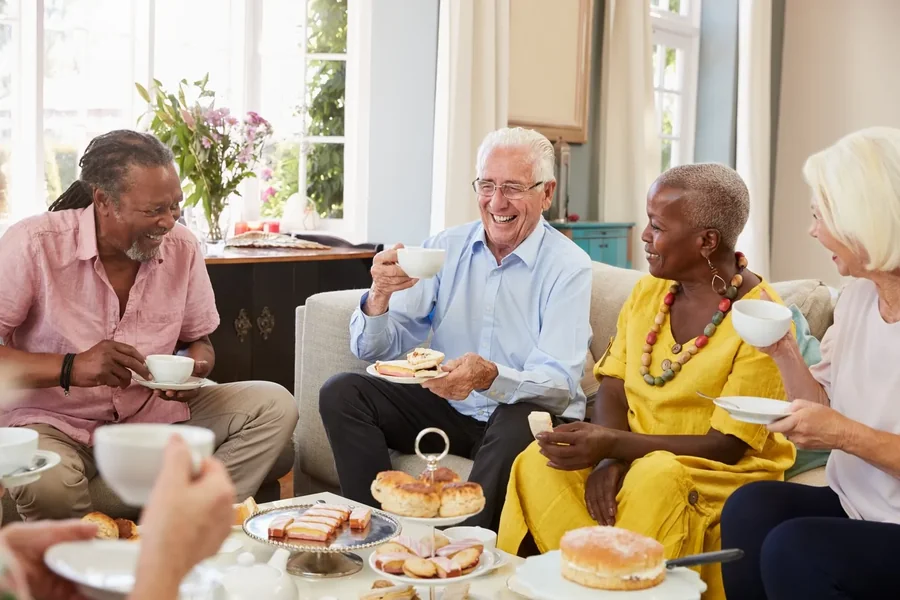

Staying socially connected helps to shape the health and overall quality of life for older adults. Human beings thrive in community at every age and the later decades of life feel fuller and more balanced when relationships continue to grow. Social connection builds energy and stability, and it also encourages people to have a purpose. Strong relationships give older adults a sense of continuity while creating room for new experiences and friendships.
The Role of Social Connection in Healthy Aging
Meaningful interaction is known to support cognitive health. Things like conversations, shared activities and simple daily interactions stimulate the brain. This stimulation helps older adults stay engaged with their surroundings and hold onto a confident sense of self. Social time also will help to support emotional resilience. People often feel steadier when they have others to talk to, laugh with or simply sit beside throughout the day. Levels of stress often decline, sleep improves and the nervous system becomes more balanced if a healthy social connection is achieved.
Social Connection and Physical Wellbeing
Positive relationships support physical health in practical ways. Older adults who interact with others tend to stay more active and maintain healthy routines. Group activities offer gentle accountability and a fun support group. A friend’s invitation to walk or join a class makes it easier to stay moving. Shared meals often promote balanced nutrition because eating with others encourages consistency and enjoyment. Emotional support also translates into physical comfort. People who feel understood often manage chronic conditions more confidently throughout their life.
How Social Isolation Impacts Older Adults
Isolation affects people of all ages, but older adults feel the impact more intensely. Limited interaction can create a lower mood and reduce their motivation. Cognitive stimulation becomes scarce, which can contribute to forgetfulness or increased confusion in the later years. Physical activity often slows down when someone spends long stretches of time alone. This creates a cycle that feels hard to break. Strong social networks interrupt that cycle and bring energy back into daily life.
Everyday Opportunities for Connection
Small moments of connection carry a lot of weight. Older adults gain significant benefits from simple and consistent interactions. These activities help build a natural rhythm of engagement:
- Talking with friends over morning drinks
- Joining a hobby group such as knitting, gardening or painting
- Participating in light exercise classes
- Sharing meals in a community dining room
- Attending music, movie or game nights
- Having regular visits with family or neighbors
- Volunteering for causes that align with personal interests
Each experience supports confidence, creativity and a grounded sense of belonging.
Building a Supportive Social Environment
Intentional community design plays a key role in helping older adults stay socially active. Comfortable common spaces create easy opportunities for conversation while organized events help people step into new friendships without pressure. Staff members who genuinely enjoy interacting with residents set the tone for warmth and connection. A setting that feels welcoming encourages older adults to engage at their own pace and follow their own preferences. Choice and flexibility help people feel more at ease and more willing to participate.
How Assisted Living Helps
Assisted living communities give older adults opportunities to connect every day. This structure helps create a steady rhythm of interaction that keeps people mentally sharp, physically engaged and emotionally supported. Even small daily routines feel smoother when friendly faces are nearby. Assisted living in Nampa, Idaho focuses on community as a core part of resident life. Daily activities, shared dining and inviting common spaces help residents form meaningful relationships. Every person can participate in a way that suits their comfort level.
