
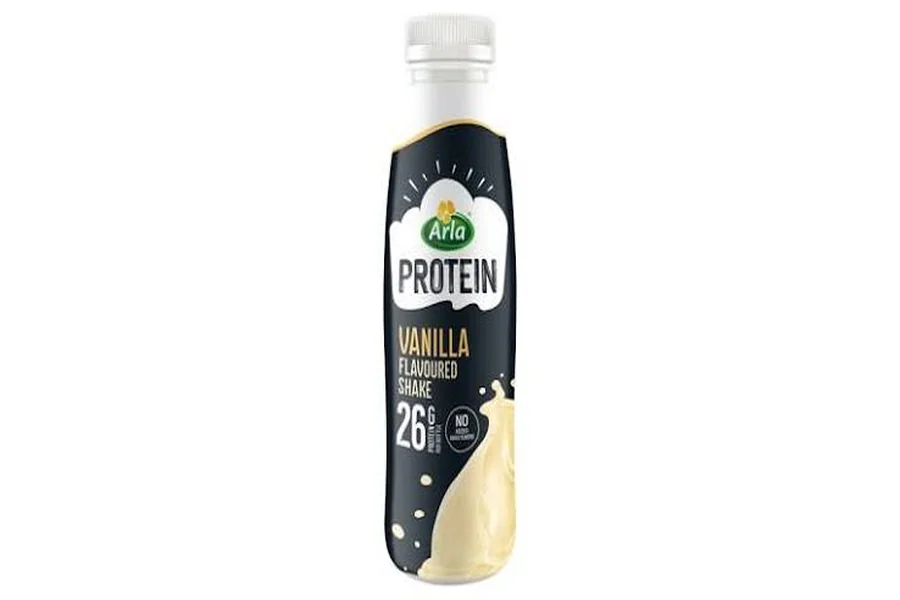

Milk protein isolate provides food and beverage formulas with concentrated dairy protein, low lactose, and useful processing behavior. It contains both casein and whey proteins, which affect texture, water binding, stability, and nutrition. Those properties help manufacturers build higher-protein products without relying on several separate dairy ingredients. The right grade still depends on processing conditions, package format, and the finished product’s texture goals, which shape each application choice.
How Milk Protein Isolate Is Made
Milk protein isolate comes from skim milk processed through low-temperature ultrafiltration and other membrane filtration methods. The process retains casein and whey proteins in their native state while removing much of the lactose and minerals. The resulting powder has a high protein concentration and fits formulas that need dairy nutrition with limited lactose.
For manufacturers comparing dairy ingredients, milk protein isolate provides a concentrated source of both major milk protein groups. Casein supports body, water binding, and gel formation, while whey proteins contribute nutrition and processing behavior. This combination suits beverages, cultured products, bakery items, desserts, and packaged foods that require protein enrichment without adding multiple protein sources.
What It Does in Beverages
Milk protein isolate improves the nutritional profile of high-protein beverages, meal replacement drinks, and dietary powders. Its casein and whey content supports a complete dairy protein profile, while its low lactose content helps formulators control the carbohydrate contribution from milk ingredients.
Processing conditions influence performance. Heat-stable grades suit beverages exposed to pasteurization or other thermal steps. Instant grades disperse more easily in dry blends, supporting powder drinks and consumer-prepared products.
Formulators also need to assess hydration time, sedimentation, viscosity, and flavor impact. A protein that performs well in a cold beverage may behave differently after heating or extended storage. Laboratory trials should match the intended mixing method and production temperature.
What It Does in Packaged Foods
Milk protein isolate increases protein content in bakery products, snacks, puddings, ice cream, mousses, and frozen desserts. It also binds water, supports structure, and changes the eating texture of finished foods.
In bread and baked goods, the ingredient contributes protein and affects dough handling, crumb structure, and moisture retention. In fillings and desserts, its dairy proteins add body and a smoother texture when the formula has enough water for proper hydration.
Manufacturers use milk protein isolate in dairy and recombined dairy products when they need added protein or adjusted solids. Cultured dairy products and cheese applications require testing because acidity, salt, heat, and shear alter protein behavior.
Choosing a Suitable Grade
Start with the finished product and its process. Standard milk protein isolate suits general protein enrichment, while instant grades support quick dispersion. Heat-stable grades suit thermal processing, and high-gelling grades fit formulas that need firmer structure.
Texturized milk protein ingredients support food formats that need a more defined bite. Food-grade materials suit standard commercial applications, while Halal-certified, Kosher-certified, or rbST-free options meet specific documentation or purchasing requirements.
Protein concentration, packaging format, certifications, minimum order quantities, and supplier capabilities vary. A product review should therefore include the specification sheet, allergen information, microbiological documentation, storage requirements, and lot consistency before commercial approval.
Formulation And Supply Considerations
Milk protein isolate affects more than nutrition. Its hydration behavior influences mixing equipment, batch time, viscosity, and the order in which ingredients enter a formula. Water quality, pH, mineral content, and heat exposure also influence final performance.
Procurement teams should match the ingredient grade to expected production volume and packaging needs. Bulk supply, bag format, storage space, and dispatch timing affect a production plan’s cost and reliability.
Pilot batches should measure dispersion, viscosity, texture, flavor, and stability across the product’s intended shelf life. The results give technical and purchasing teams a shared basis for approving a grade and setting a practical supply plan.
Conclusion
Milk protein isolate provides beverages and packaged foods with a concentrated dairy protein source that can improve nutrition, texture, water binding, and structure. Its performance depends more on grade, processing, and finished format than on protein content alone. Product developers should compare standard, instant, heat-stable, high-gelling, or texturized options against pilot data. Reviewing specifications, certifications, packaging, and supply capacity before approval helps prevent reformulation and production delays.
