
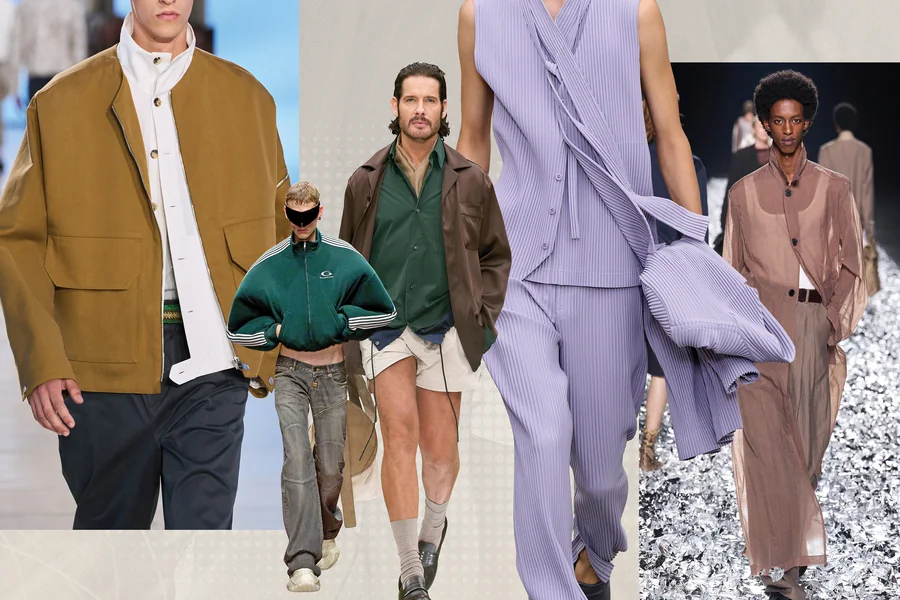

Fashion has always reflected the way people live, and in 2025 that has never been more obvious. Men’s fashion is no longer about following one trend or dressing to fit into a single style category. Instead, it has become more personal, practical and expressive. Whether you’re walking through the streets of Soho, grabbing coffee in Shoreditch or heading out for a night in Camden, you’ll notice that everyone seems to have their own take on modern menswear. That’s exactly what makes this year’s fashion scene so exciting.
For years, trends came and went at lightning speed, with social media encouraging people to constantly buy the next must-have item. While that culture still exists, there has been a noticeable shift towards buying smarter rather than buying more. Men are becoming increasingly interested in building wardrobes that last, investing in quality pieces that can be worn in multiple ways instead of chasing every passing trend. Looking good is still important, but looking authentic has become even more valuable.
One of the biggest changes in 2025 is the move towards relaxed tailoring. The days of stiff, heavily structured suits being reserved only for the office are fading away. Instead, blazers are softer, trousers are looser and tailoring has become much more versatile. A lightweight blazer worn with wide-leg trousers and clean white trainers feels just as appropriate for dinner in London as it does for a creative workplace. It strikes the perfect balance between smart and casual, giving men the freedom to dress well without looking overdressed.
Comfort has become one of the defining themes of modern menswear, and it goes far beyond simply wearing joggers or hoodies. Relaxed fits are now everywhere. Straight-leg jeans, oversized shirts and loose-fitting trousers have replaced the skinny silhouettes that dominated fashion for years. The change isn’t about wearing clothes that are too big; it’s about wearing pieces that feel comfortable, move naturally and create a more effortless look. It’s a style that works for almost everyone and fits perfectly with the fast-paced lifestyles many people lead today.
Denim also continues to evolve. Instead of ripped jeans and heavily distressed finishes, cleaner and more classic styles have returned. Dark indigo denim, vintage-inspired washes and straight-leg cuts have become wardrobe essentials because they’re easy to dress up or down. A good pair of jeans can be worn with almost anything, whether that’s a knitted polo, a crisp Oxford shirt or a simple white T-shirt. It’s proof that sometimes the most timeless pieces make the biggest statement.
London has always been one of the world’s fashion capitals, and its influence is impossible to ignore in 2025. Walk through neighbourhoods like Shoreditch, Covent Garden or Notting Hill and you’ll see an incredible mix of styles existing side by side. One person might be wearing tailored trousers with loafers, while another pairs vintage workwear with designer trainers. That’s part of what makes London’s fashion scene so influential—it celebrates individuality rather than uniformity. For readers of Xposed London, this is the type of style inspiration that’s seen every day on the streets rather than just on the runway.
Footwear trends have also become more refined. Bulky trainers that once dominated the market are slowly giving way to cleaner, more understated designs. Minimal leather trainers remain a reliable choice, while loafers have experienced a huge resurgence thanks to their versatility. Boat shoes have even made an unexpected comeback, proving that classic styles often return with a modern twist. The focus is no longer on wearing the loudest shoe in the room but on choosing footwear that complements the rest of your outfit.
Another noticeable trend is the growing appreciation for knitwear. Quarter-zip jumpers, knitted polos, textured cardigans and lightweight crewnecks have become everyday staples. These pieces add depth and personality without feeling overcomplicated. They’re easy to layer throughout the year and work just as well with tailored trousers as they do with denim, making them ideal for Britain’s unpredictable weather.
Perhaps the biggest shift happening in fashion isn’t about clothing at all—it’s about mindset. More men are paying attention to where their clothes come from, how they’re made and how long they’ll last. Rather than filling wardrobes with cheap items that only survive a season, many are choosing fewer, better-quality garments. This doesn’t necessarily mean spending a fortune on designer labels. It simply means buying with purpose, looking for well-made basics and choosing timeless styles that won’t feel outdated next year.
Social media continues to shape fashion, but its influence has matured. Platforms like Instagram and TikTok still introduce new trends almost daily, yet people are becoming better at picking and choosing what works for them instead of copying every viral outfit. Personal style has overtaken trend-chasing. It’s no longer unusual to see someone mixing high-street brands with vintage finds and luxury accessories in the same outfit. In fact, that combination often creates the most interesting looks because it feels genuine rather than forced.
Streetwear also remains an important part of the conversation, although it has evolved significantly. The oversized logos and hype-driven releases that once dominated have made room for cleaner silhouettes and more subtle branding. Utility jackets, cargo trousers and premium basics continue to play a role, but they’re now styled alongside tailored pieces instead of existing in isolation. The result is a more mature version of streetwear that feels wearable for everyday life.
Accessories are receiving more attention too. Simple silver jewellery, leather crossbody bags, baseball caps and understated watches are helping men add personality without overwhelming an outfit. It’s often these finishing touches that separate a good look from a great one. The emphasis is on subtle details rather than flashy statement pieces, reflecting the wider move towards understated confidence.
Looking ahead, it’s clear that the men’s fashion scene in 2025 isn’t defined by one colour, one designer or one trend. Instead, it’s defined by freedom. Men are dressing for themselves rather than for approval, combining classic wardrobe staples with modern influences to create looks that feel comfortable, stylish and authentic. Fashion has become less about fitting into a box and more about expressing personality through everyday clothing choices.
For anyone looking to refresh their wardrobe this year, the advice is refreshingly simple. Invest in quality basics, embrace relaxed fits, don’t be afraid to mix smart and casual pieces, and most importantly, wear clothes that reflect who you are. Trends will always come and go, but confidence and personal style never go out of fashion.
That approach perfectly reflects the spirit of London itself. The city has always been a place where creativity thrives, where individuality is celebrated and where fashion constantly evolves without losing sight of its roots. In 2025, men’s fashion isn’t about following the crowd—it’s about finding your own style and wearing it with confidence. That’s a trend worth investing in.
